Cross-Functional Team Development: Leveraging Intrapersonal Reflection in Remote Workplaces
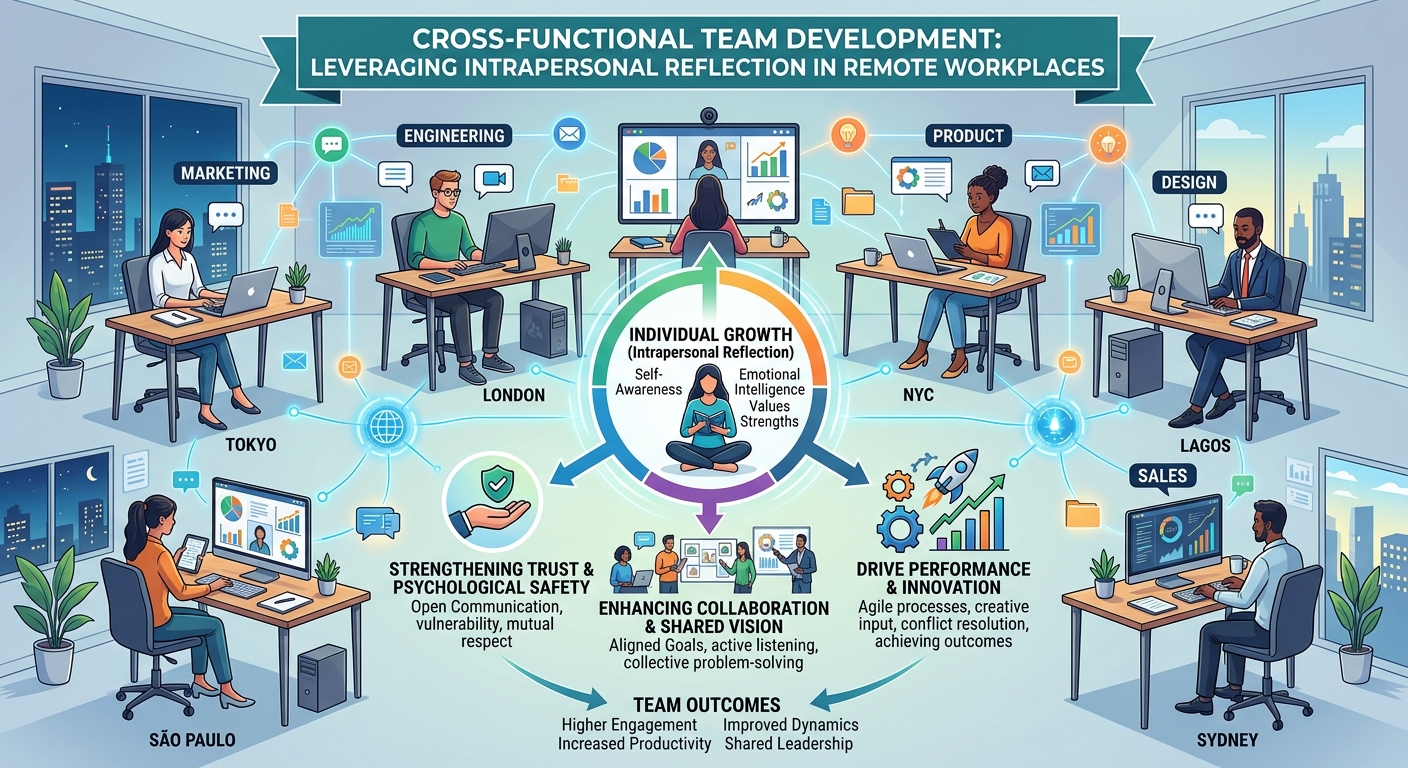
Cross-Functional Team Development: Leveraging Intrapersonal Reflection in Remote Workplaces
In today's dynamic business landscape, where remote work is increasingly the norm and cross-functional collaboration is critical for innovation and agility, L&D leaders face a unique challenge. How do you foster cohesive, high-performing teams when individuals are geographically dispersed and working across diverse departmental silos? The answer often lies not just in external team-building exercises or communication tools, but in nurturing a powerful, internal resource: intrapersonal reflection. This article delves into why cultivating self-awareness is paramount for successful remote cross-functional teams and how modern learning solutions can champion this vital development.
The Evolving Landscape of Remote Cross-Functional Teams
Cross-functional teams bring together individuals from different departments and with varied expertise to achieve a common goal. They are the engines of innovation, problem-solving, and efficient project execution across industries from Compliance and Sales to Banking, Finance, Insurance, Retail, Pharma, Healthcare, Hospitality, Oil and Gas, and Mining. However, the shift to remote work introduces complexities. Communication cues are easily missed, trust can be harder to build without in-person interactions, and maintaining a shared vision demands greater intentionality.
Building effective cross-functional teams remotely requires more than just video conferencing tools. It demands a deep understanding of individual contributions, potential friction points, and the underlying motivations of each team member. This is where the often-underestimated practice of intrapersonal reflection steps in, offering a profound pathway to stronger team cohesion and performance, supported by robust learning management solutions.
Unlocking Potential: The Power of Intrapersonal Reflection
Intrapersonal reflection is the process of thinking deeply about one's own thoughts, feelings, behaviors, and experiences. It’s about cultivating self-awareness, understanding personal strengths, weaknesses, values, and motivations. For an individual, this leads to improved decision-making, emotional intelligence, and personal growth. For a team, especially a remote cross-functional one, the collective self-awareness of its members can be transformative.
When individuals understand their own working style, communication preferences, and triggers, they are better equipped to articulate their needs, understand others' perspectives, and navigate potential conflicts constructively. This heightened self-awareness is the bedrock for empathy, effective collaboration, and mutual respect – essential ingredients for any successful team, let alone one that operates across geographical and functional boundaries. Furthermore, an effective LMS can provide structured opportunities for this kind of personal growth.
Bridging Reflection and Team Success in a Digital World
How does individual introspection translate into tangible benefits for a remote cross-functional team? The link is direct and profound:
- Enhanced Communication: Self-aware individuals are better at expressing their ideas clearly and listening actively, reducing misinterpretations common in virtual settings.
- Improved Empathy: Understanding one's own internal landscape fosters a greater ability to understand and appreciate the diverse perspectives and challenges of colleagues from other departments.
- Conflict Resolution: Reflection helps individuals identify their role in conflicts and approach disagreements with a solution-oriented mindset, rather than emotional reactivity.
- Role Clarity and Accountability: A clear understanding of personal strengths and limitations allows individuals to better define their contributions and take ownership within the team.
- Trust Building: Authenticity and vulnerability born from self-reflection can foster deeper trust among team members, even across screens.
L&D leaders play a pivotal role in creating environments where such reflection is not just encouraged but actively facilitated, potentially through a dedicated learning content management system that provides tools and resources.
Practical Strategies for Fostering Intrapersonal Reflection Remotely
Cultivating intrapersonal reflection in a remote, cross-functional setting requires deliberate strategies:
- Dedicated Reflection Prompts: Integrate short, thought-provoking questions into weekly check-ins or team meetings. Examples: "What was my biggest learning this week?" "How did my actions impact a teammate?" "What assumption did I make that I later reconsidered?"
- Journaling and Self-Assessment: Provide resources or templates for structured journaling. Utilize features within a modern lms learning management system that allow for private self-assessments and goal setting.
- Peer Coaching and Mentorship: Pair team members (especially cross-functionally) for informal coaching sessions focused on mutual reflection and feedback, facilitated by clear guidelines and perhaps a Gamified LMS to track engagement and progress.
- Mindfulness Practices: Introduce short mindfulness exercises or meditation breaks before meetings to enhance focus and self-awareness.
- Structured Feedback Loops: Implement 360-degree feedback processes that encourage self-reflection before and after receiving input from others. This can be streamlined through an enterprise learning management system.
- Microlearning Modules on Self-Awareness: Deploy short, digestible modules on topics like emotional intelligence, cognitive biases, and communication styles using a Microlearning LMS.
Leveraging eLearning for Deeper Introspection
Technology is a powerful ally in fostering intrapersonal reflection and cross-functional team development. A robust learning management software platform can be instrumental:
- Personalized Learning Paths: An Adaptive Learning system can recommend content tailored to individual development needs identified through self-reflection.
- Interactive Scenario-Based Training: An AI Powered Authoring Tool can create engaging simulations that prompt users to reflect on their choices and their impact on team dynamics.
- Virtual Coaching Tools: Integrate AI-driven coaching functionalities that provide prompts for reflection and personalized feedback based on user input.
- Centralized Resource Hub: A comprehensive learning management system acts as a single source for reflection tools, journaling prompts, and self-assessment modules.
- Compliance and Risk-focused Training: Even in areas like compliance, reflection on ethical dilemmas or past mistakes can deepen understanding and prevent future issues. A dedicated LCMS can manage and deliver this critical content efficiently.
A cloud based learning management system offers the flexibility and accessibility required for remote teams, ensuring that developmental resources are available anytime, anywhere. Leading platforms like MaxLearn LMS are specifically designed to facilitate these types of engaging and personalized learning experiences.
Questions for Forward-Thinking L&D Leaders
As you consider integrating intrapersonal reflection into your cross-functional team development strategies, you might be asking:
How can an organization personalize learning paths for diverse remote teams?
Modern learning platforms, often equipped with advanced algorithms, can analyze individual learning behaviors, skill assessments, and stated goals to recommend highly personalized content. This ensures that each team member receives relevant modules, whether it's on advanced communication, conflict resolution, or specific technical skills, all within a unified learning management system.
What tools are available to help identify skills gaps across different departments?
Integrated skills matrices, performance review data, and assessment features within a robust training platform can provide a comprehensive overview of skill proficiencies and areas needing development across various functions. This data-driven approach helps L&D prioritize training initiatives for cross-functional effectiveness.
Are there intelligent systems that can predict potential team friction points based on interaction data?
While still evolving, some analytics tools integrated with communication platforms can flag communication patterns or engagement levels that might indicate potential team friction. By understanding individual communication styles fostered through reflection, teams can preemptively address these issues, promoting smoother collaboration within their learning management solutions.
Can a learning system help a global team understand cultural communication nuances?
Absolutely. A comprehensive learning management system can host interactive modules, case studies, and virtual simulations designed to educate global teams on cultural etiquette, communication styles, and collaboration best practices, fostering greater empathy and understanding among diverse members.
Where can a business find software to manage all its training content efficiently?
A powerful learning content management system (LCMS) is designed precisely for this. It allows organizations to create, store, manage, and deliver all their training materials from a central repository, ensuring consistency, version control, and easy access for all remote and cross-functional teams, enhancing the overall lms learning management system experience.
The L&D Leader's Imperative
As an L&D leader, your mandate extends beyond delivering courses; it's about cultivating a learning culture that empowers individuals and strengthens teams. By championing intrapersonal reflection, you equip your remote cross-functional teams with the self-awareness, empathy, and resilience needed to thrive. Investing in modern learning technologies, specifically a comprehensive learning management system, is not just about efficiency; it's about building a more conscious, collaborative, and ultimately, more successful organization.
Conclusion
The success of remote cross-functional teams hinges on more than just external processes; it deeply relies on the internal worlds of its members. By prioritizing and facilitating intrapersonal reflection, L&D leaders can unlock a profound source of individual growth that directly translates into stronger team dynamics, improved communication, and enhanced collaboration. In a remote-first world, integrating self-awareness practices with advanced eLearning solutions is not merely a strategy—it's an imperative for building resilient, innovative, and high-performing cross-functional teams across every industry.


Comments
Post a Comment