What Are the Key Components of an Effective Modern Compliance Program?
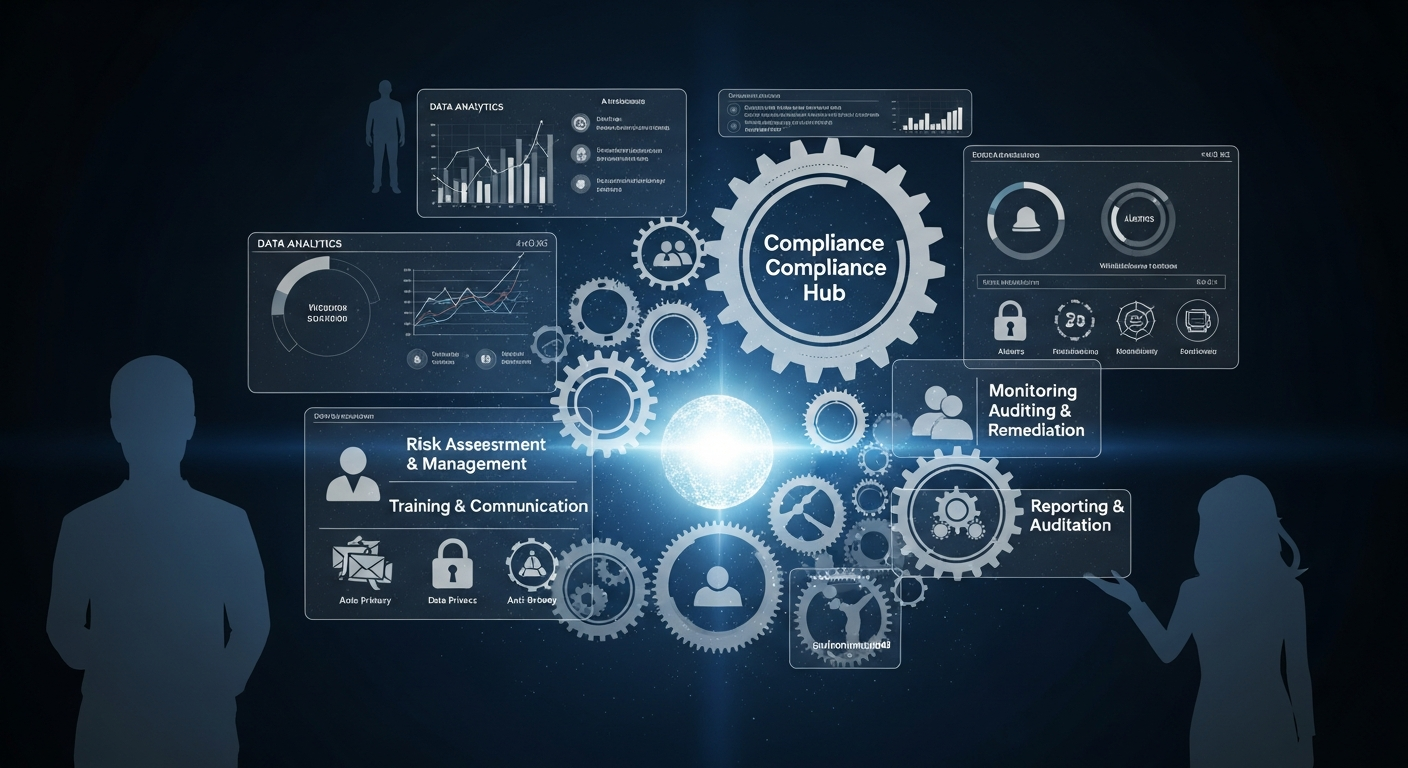
What Are the Key Components of an Effective Modern Compliance Program?
In today's complex and interconnected business landscape, a robust compliance program is no longer a mere checkbox exercise; it's a strategic imperative. From navigating intricate regulatory frameworks in finance and healthcare to upholding ethical standards in retail and oil & gas, organizations across all industries face an ever-evolving web of rules and expectations. Failing to comply can lead to severe penalties, reputational damage, and significant operational disruption. But what truly defines an effective, modern compliance program?
For Vice Presidents, Directors, and Managers of L&D, understanding these components is crucial. It’s about more than just legal adherence; it’s about fostering a culture of integrity, mitigating risk, and enabling sustainable growth. This article delves into the essential pillars that underpin a truly impactful compliance strategy, emphasizing how innovative eLearning solutions can serve as the backbone for its success.
The Foundational Pillars of Modern Compliance
An effective compliance program is a multi-faceted system, built on several interconnected components. Each element plays a vital role in creating a resilient framework that protects the organization and its stakeholders.
1. Strong Leadership and a Culture of Integrity
- Tone at the Top: Compliance must begin with unwavering commitment from senior leadership. When executives champion ethical conduct and compliance, it sets the standard for the entire organization.
- Culture of Responsibility: Beyond policies, a true culture of integrity empowers every employee to understand their role in upholding standards and to speak up without fear of retaliation.
2. Robust Policies and Procedures
- Clear and Concise Documentation: Policies must be unambiguous, easy to understand, and readily accessible to all relevant employees. They should cover all applicable laws, regulations, and internal codes of conduct.
- Regular Review and Updates: Given the dynamic regulatory environment, policies and procedures require frequent review and updates to remain current and effective.
3. Comprehensive and Engaging Training & Education
This is where L&D leadership truly shines. Traditional, annual classroom sessions are no longer sufficient. Modern compliance training must be continuous, engaging, and relevant. An advanced LMS or learning content management system is indispensable here. Key aspects include:
- Targeted Delivery: Training should be tailored to specific roles, risks, and regional requirements.
- Modern Modalities: Leveraging a Microlearning LMS ensures bite-sized, digestible content that fits into busy schedules, enhancing knowledge retention.
- Interactive Engagement: A Gamified LMS can transform potentially dry compliance topics into engaging, memorable experiences, significantly boosting participation and understanding.
- Personalized Learning Paths: Adaptive Learning technologies, often powered by an AI Powered Authoring Tool, can customize learning journeys based on individual knowledge gaps and performance, making training more efficient and effective.
- Risk-Focused Approach: Implementing Risk-focused Training ensures that employees are equipped to handle the specific compliance challenges most pertinent to their roles and the organization's risk profile.
4. Effective Risk Assessment and Management
- Proactive Identification: Regularly assess potential compliance risks, both internal and external, across all operations and geographies.
- Mitigation Strategies: Develop and implement clear strategies to reduce identified risks, integrating them into business processes.
- Continuous Monitoring: Risk landscapes are constantly shifting. An effective program includes ongoing monitoring to detect new risks and reassess existing ones.
5. Monitoring, Auditing, and Reporting
- Internal Controls: Establish robust internal controls to ensure adherence to policies and procedures.
- Independent Audits: Regular internal and external audits provide objective assessments of the program's effectiveness and identify areas for improvement.
- Transparent Reporting: Clear and timely reporting of compliance performance, incidents, and remediation efforts to relevant stakeholders, including leadership and regulators.
6. Enforcement and Disciplinary Action
- Consistent Application: Policies must be enforced consistently and fairly across all levels of the organization to maintain credibility.
- Timely Action: Non-compliance must be addressed promptly with appropriate disciplinary measures, demonstrating the seriousness of the organization's commitment.
7. Whistleblower Protection and Incident Response
- Safe Reporting Channels: Provide secure, confidential, and accessible channels for employees to report concerns or violations without fear of retaliation.
- Robust Investigation Process: Establish clear protocols for investigating reported incidents, ensuring thoroughness, impartiality, and timely resolution.
Leveraging Intelligence and Learning Technology for Superior Compliance
The role of technology, particularly in eLearning, cannot be overstated in modern compliance. An enterprise learning management system (LMS) like the MaxLearn LMS, acts as a central nervous system for compliance training, offering scalability, consistency, and crucial tracking capabilities. As L&D leaders, you are uniquely positioned to drive this technological adoption.
Intelligent learning platforms, often referred to as learning management software or learning management solutions, leverage advanced analytics and machine learning to optimize the compliance journey. Consider these transformative capabilities:
How can organizations ensure their compliance training truly resonates with a diverse workforce and caters to varying learning styles and knowledge gaps?
Modern learning platforms, especially those leveraging intelligence, personalize content delivery. They analyze individual performance and engagement, then present relevant modules, case studies, or simulations, ensuring each learner receives the most impactful training for their role and prior knowledge. This moves beyond one-size-fits-all, making compliance more meaningful and improving overall understanding.
In a globalized business environment, how do organizations maintain consistent compliance standards while accounting for region-specific regulations and cultural nuances?
Intelligent systems can dynamically adapt training content based on a user's location or assigned region. This means a learner in Europe might see modules specific to GDPR, while their counterpart in the US receives HIPAA-focused content. Such platforms also support multilingual content and culturally relevant examples, ensuring global consistency with local relevance within an enterprise learning management system.
For businesses operating in highly regulated sectors like finance or healthcare, how can compliance programs proactively address evolving industry standards and emerging risks?
Advanced learning and compliance platforms integrate industry-specific regulatory feeds and use sophisticated algorithms to flag changes. They can then automatically suggest updates to training modules, push alerts to relevant personnel, and even generate new learning pathways to address these evolving requirements. This proactive approach ensures organizations stay ahead of regulatory shifts, minimizing exposure, especially when utilizing a cloud based learning management system or LCMS.
Conclusion
An effective modern compliance program is a living, breathing entity that requires continuous nurturing, adaptation, and investment. It goes far beyond simply avoiding fines; it’s about safeguarding reputation, fostering trust, and enabling sustainable business operations across sectors like Banking, Pharma, Retail, and Hospitality. By embedding strong leadership, clear policies, and comprehensive training powered by cutting-edge eLearning technology, organizations can build a compliance framework that is not only robust but also agile and truly embedded in their corporate DNA.
For L&D professionals, this means championing the integration of advanced lms learning management system solutions. Investing in a powerful learning management system is an investment in your organization’s future, ensuring that compliance is not just met, but becomes a source of competitive advantage and operational excellence.


Comments
Post a Comment