Sexual Harassment Prevention Training That Actually Changes Workplace Behavior
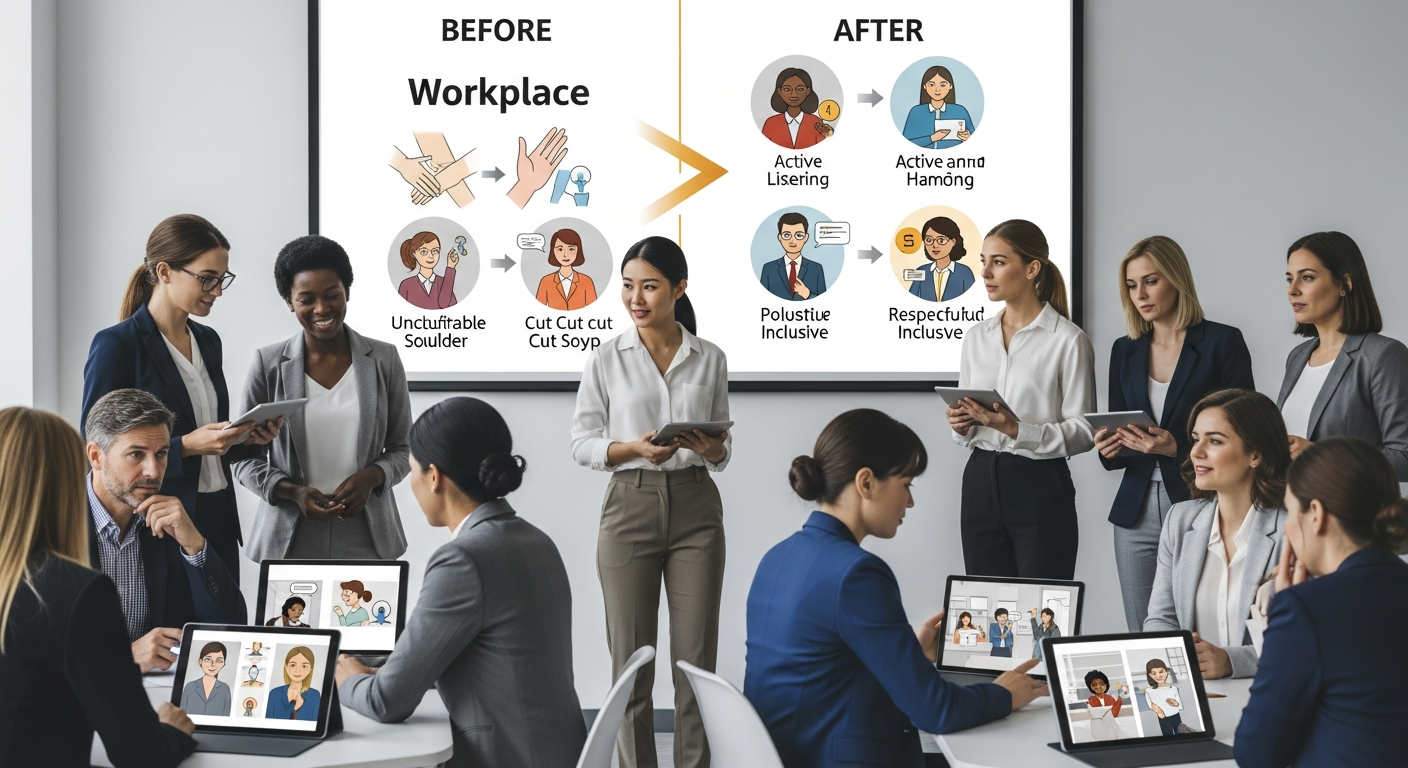
Sexual Harassment Prevention Training That Actually Changes Workplace Behavior
For Vice Presidents, Directors, and Senior Managers in Learning & Development across myriad industries—from Banking and Finance to Healthcare and Hospitality—the effectiveness of compliance training is a persistent concern. We invest significant resources in sexual harassment prevention programs, yet the nagging question remains: are we truly changing workplace behavior, or merely checking a box? Traditional approaches often fall short, leaving organizations vulnerable and employees unequipped. This article delves into how L&D leaders can transition from perfunctory training to impactful interventions that foster respectful and safe work environments.
The Pervasive Pitfalls of Passive Prevention Training
The standard "sit-and-click" compliance module, while ubiquitous, frequently fails to achieve its core objective. Why? Because it often treats prevention as a static, informational exercise rather than a dynamic behavioral change initiative. Employees might complete the training, but the knowledge rarely translates into actionable insights or altered conduct.
Why Traditional Methods Miss the Mark:
- Lack of Engagement: Lengthy, text-heavy modules or monotonous video lectures struggle to capture and retain attention. Information overload leads to disengagement, with learners passively absorbing data without true comprehension or retention.
- Irrelevant Scenarios: Generic examples that don't reflect the nuances of a specific industry or organizational culture feel distant and unapplicable, diminishing their impact.
- Forgotten Knowledge: Without reinforcement and practical application, the critical lessons learned during an annual session quickly fade, especially when not tied to real-world consequences or benefits.
- Focus on Rules, Not Culture: Many programs emphasize legal definitions and prohibited acts rather than cultivating a proactive culture of respect, intervention, and psychological safety.
Redefining Prevention: What Truly Cultivates Behavioral Change?
To move beyond mere compliance, L&D strategies must pivot towards methodologies that prioritize engagement, relevance, and retention. The goal isn't just to inform, but to transform attitudes and equip employees with the confidence and tools to act appropriately and intervene effectively.
Key Pillars of Modern, Effective Prevention Training:
- Interactive, Scenario-Based Learning: Employees learn best by doing. Realistic scenarios, often mirroring actual workplace situations, allow individuals to practice identifying harassment, responding appropriately, and intervening as bystanders. This shifts the focus from passive recall to active problem-solving.
- Focus on Bystander Intervention: Empowering employees to be active allies and intervene safely is crucial. Training should provide practical strategies for different intervention levels, fostering a collective responsibility for a respectful workplace.
- Clear Reporting Mechanisms & Trust: Training must clearly outline how and where to report incidents, ensuring employees feel safe and confident that their concerns will be addressed seriously and confidentially. Building trust in these processes is paramount.
- Leadership as Role Models: Senior leaders and managers must not only complete the training but also visibly champion its principles. Their commitment reinforces the organization's dedication to a harassment-free environment, setting the tone from the top.
- Continuous Reinforcement & Microlearning: Behavioral change isn't a one-off event. Regular, short, digestible refreshers—delivered via a Microlearning LMS—keep the principles top-of-mind and reinforce desired behaviors without disrupting workflows.
Leveraging Modern Learning Technologies for Impactful Training
In today's fast-paced corporate environment, advanced learning management software is indispensable for delivering prevention training that resonates and drives genuine behavioral shifts. A robust Microlearning LMS offers the agility and sophistication needed to move beyond rudimentary compliance.
Consider these questions, often addressed by cutting-edge platforms:
How can we ensure training content is personalized and highly relevant to each employee's role and historical learning patterns, making it more impactful? Modern learning management solutions integrate sophisticated algorithms to analyze individual learning styles, prior knowledge, and job functions. This enables Adaptive Learning paths, where content adjusts in real-time based on a learner's progress and responses. For example, a supervisor might receive modules focusing on leadership responsibilities in prevention, while an entry-level employee sees content tailored to their specific interactions. This level of personalized delivery significantly boosts engagement and retention, moving beyond a one-size-fits-all approach.
Is it truly possible to create engaging, interactive training experiences that captivate employees across diverse departments and global regions? Absolutely. An advanced Gamified LMS transforms mundane compliance training into an interactive experience. By incorporating elements like points, badges, leaderboards, and branching scenarios, employees are motivated to participate actively and apply their knowledge in a simulated environment. Furthermore, an AI Powered Authoring Tool can help L&D teams rapidly develop diverse, scenario-rich content. These tools can even generate culturally relevant examples and localized scenarios for global teams, ensuring that prevention principles are understood and applied effectively regardless of geographic location or specific industry context like Oil and Gas or Retail. This capability ensures that training isn't just generic but speaks directly to the unique challenges and dynamics of different operational environments.
Beyond simple completion rates, how can L&D leaders measure the actual impact of prevention training on workplace culture and reduce incidents? Effective enterprise learning management systems go beyond tracking completion. They provide analytics on learner engagement, comprehension scores, and even behavioral shifts observed through subsequent surveys or anonymized incident reports. By leveraging a Risk-focused Training approach within a comprehensive learning content management system, L&D can pinpoint areas where understanding is weak or where specific types of harassment risks are higher. This data-driven insight allows for continuous improvement of training programs, ensuring that the learning management system isn't just a delivery vehicle but a strategic tool for mitigating organizational risk and fostering a healthier, more respectful workplace. A robust LCMS within a cloud based learning management system can even integrate with HR systems to offer a holistic view of the training's impact, proving the ROI of your lms learning management system investments.
Conclusion: Building a Culture of Respect Through Smart Training
The journey from compliance checkboxes to genuine behavioral change in sexual harassment prevention is complex, but entirely achievable with the right strategy and tools. For L&D Vice Presidents, Directors, and Senior Managers, the imperative is clear: embrace innovative methodologies and leverage advanced learning management software. By focusing on interactive, personalized, and continuously reinforced training, organizations can move beyond merely addressing incidents to proactively cultivating a workplace culture where respect, safety, and accountability are non-negotiable norms. Invest in solutions that don't just educate, but empower and transform – because a safe workplace is a productive workplace.


Comments
Post a Comment