Predictive Compliance Analytics: Identifying Vulnerabilities Before Audits Do
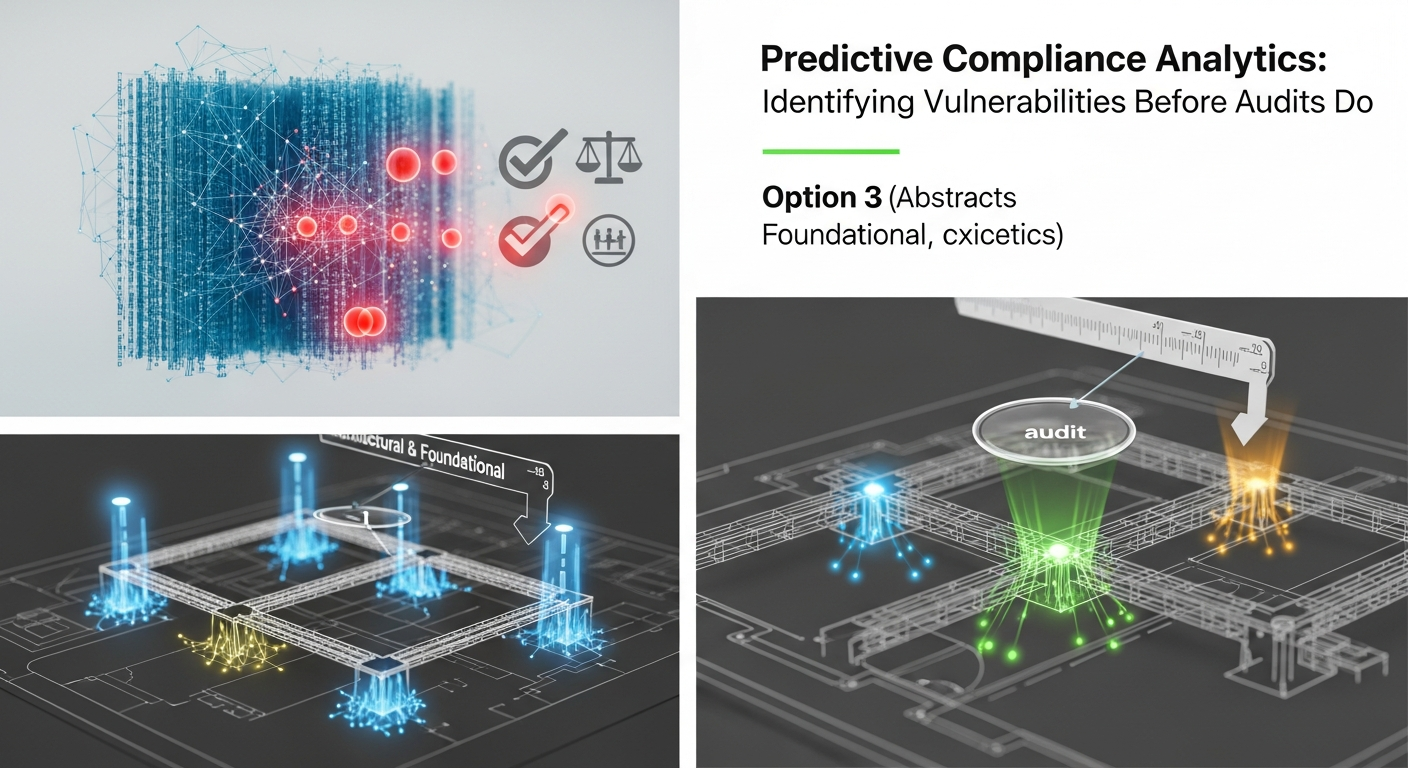
Predictive Compliance Analytics: Identifying Vulnerabilities Before Audits Do
For Vice Presidents, Directors, and Managers in Learning & Development across industries like Banking, Finance, Insurance, Retail, Pharma, Healthcare, Hospitality, Oil and Gas, and Mining, the landscape of regulatory compliance is ever-shifting. The stakes are incredibly high, ranging from hefty fines and reputational damage to operational shutdowns. Traditionally, compliance has been a reactive discipline, often driven by periodic audits that retrospectively identify gaps. But what if your organization could identify and address potential compliance vulnerabilities not just before an audit, but even before they manifest as critical issues? Enter Predictive Compliance Analytics – a game-changer for proactive risk management and strategic LMS-driven training.
The Challenge of Reactive Compliance
The conventional approach to compliance often involves a cycle of policy creation, employee training, and then a wait for audits to pinpoint shortcomings. This reactive model is fraught with challenges:
- Audit Fatigue: Constant preparation for and response to audits can drain resources and divert focus from core business objectives.
- Lagging Insights: Audit findings are historical. By the time a vulnerability is identified, it might have already caused harm or become ingrained.
- Inefficient Resource Allocation: Training is often broad-brush, addressing general risks rather than specific, emerging vulnerabilities. This can lead to compliance fatigue among employees and inefficient use of L&D budgets.
- Human Error and Oversight: Manual processes for monitoring and reporting compliance activities are prone to mistakes and can miss subtle red flags.
In a world of accelerating regulatory changes and complex operational environments, from sales protocols to financial reporting, a more intelligent, forward-looking strategy is imperative. This is where the power of data and advanced analytics comes into play.
Embracing Predictive Compliance Analytics
Predictive Compliance Analytics leverages vast amounts of data – from training records and incident reports to operational data and external regulatory changes – to forecast potential compliance breaches. By applying machine learning algorithms and statistical models, organizations can move from asking "What went wrong?" to "What is likely to go wrong, and where?"
This paradigm shift transforms compliance from a necessary evil into a strategic advantage. It empowers L&D leaders to understand not just what training has been completed, but where critical knowledge gaps exist, which employee groups are at higher risk, and how external factors might impact future compliance.
How Predictive Analytics Transforms Compliance & L&D
For L&D professionals, especially those utilizing an enterprise learning management system, the implications are profound:
Proactive Risk Identification:
Instead of waiting for an audit, predictive analytics can flag departments, teams, or even individual employees who might be at risk of non-compliance based on their learning patterns, engagement with learning content management system modules, or past performance. This allows for intervention before a breach occurs.
Targeted Training Interventions:
Gone are the days of one-size-fits-all annual compliance training. With insights from predictive models, L&D can deploy Risk-focused Training, offering highly specific and personalized learning paths. This could be delivered via a Microlearning LMS, ensuring timely and relevant knowledge transfer to those who need it most.
Resource Optimization:
By identifying high-risk areas, L&D can strategically allocate resources – both human and technological – to where they will have the greatest impact. This means more efficient use of training budgets and staff time, leading to a more robust compliance posture overall. An effective learning management software becomes a central hub for this optimization.
Enhanced Decision-Making:
Leaders can make data-driven decisions about policy adjustments, training efficacy, and resource deployment, moving away from intuition-based strategies. A sophisticated learning management solutions platform can provide these critical insights.
The Symbiotic Relationship with Modern Learning Platforms
The success of predictive compliance analytics is deeply intertwined with the capabilities of modern learning platforms. A robust lms learning management system acts as the primary data source and delivery mechanism for proactive compliance efforts:
- Comprehensive Data Collection: An advanced cloud based learning management system tracks every interaction – course completion rates, quiz scores, time spent on modules, engagement with Gamified LMS elements, and even user feedback. This rich dataset fuels the predictive models.
- Personalized Learning Paths: Leveraging features like Adaptive Learning, an LCMS (Learning Content Management System) can dynamically adjust content based on an individual's predicted risk profile and identified knowledge gaps. This ensures compliance training is not just completed, but truly understood and applied.
- Agile Content Creation: With an AI Powered Authoring Tool, L&D teams can rapidly develop and deploy targeted Microlearning LMS modules in response to emerging risks identified by the analytics, ensuring that training is always current and relevant.
AI-Driven Insights for Proactive Compliance
The integration of advanced analytics brings forth a new era of intelligence for L&D and compliance leaders. Let's explore some key questions and their answers:
How can advanced analytical tools help my organization streamline its internal audit processes and reduce the manual effort involved?
These sophisticated tools excel at sifting through vast datasets, automating the identification of anomalies, inconsistencies, and high-risk transactional patterns that might indicate a potential compliance breach. By leveraging machine learning, they can quickly highlight areas needing deeper scrutiny, effectively narrowing the scope for human auditors. This significantly reduces the manual review of low-risk activities, allowing your audit teams to focus their expertise on critical findings and strategic oversight, thereby boosting efficiency and cutting down the time and cost associated with traditional audits. This means your MaxLearn LMS can be configured to feed relevant training data directly into these analytical engines.
What capabilities do these sophisticated analytics offer for understanding individual employee compliance behavior across different departments and regions?
These analytical platforms provide granular insights into individual learning progress, comprehension, and adherence to policies. They can identify specific employees or groups who might be lagging in training completion, consistently scoring low on particular compliance modules, or engaging in behaviors that deviate from established norms. By correlating this data with departmental functions, regional regulations, and even historical incident reports, L&D leaders gain a comprehensive, real-time view of workforce readiness. This empowers them to deploy targeted interventions, such as personalized learning management system pathways or remedial Microlearning LMS content, ensuring every corner of your organization maintains a consistent and high level of compliance.
Beyond simply flagging risks, how do these systems generate actionable insights that drive strategic improvements in our overall organizational compliance posture?
These systems go beyond basic reporting by interpreting data to reveal underlying trends and causal factors behind potential compliance risks. They can predict the likelihood of future violations based on current data, suggest optimal training strategies for different employee segments, and even recommend policy adjustments to mitigate identified systemic vulnerabilities. For instance, if a particular regulatory change is forecast to impact a specific business unit, the system can proactively recommend a curriculum of specific learning management solutions and resources. This capability elevates the entire compliance framework, enabling L&D and leadership to take a truly proactive stance, not just react to problems, but to strategically strengthen the organization's resilience against evolving regulatory challenges.
Implementing Predictive Compliance Analytics: A Strategic Imperative
For L&D leaders, the journey towards predictive compliance begins with a strategic vision. Consider these steps:
- Start Small: Identify a high-risk area or department for a pilot program.
- Integrate Data Sources: Ensure your LMS seamlessly integrates with other critical systems (HR, incident reporting, operational data).
- Choose the Right Technology Partner: Select a learning management system provider that offers robust analytics capabilities and supports integration with AI-driven compliance tools.
- Foster Collaboration: Work closely with compliance officers, IT, and business unit leaders to define metrics and ensure alignment.
- Focus on Continuous Improvement: Predictive models are dynamic. Regularly review and refine your approach based on new data and evolving regulations.
Conclusion
The future of compliance is proactive, predictive, and powered by intelligent analytics. For L&D leaders, embracing this shift isn't just about avoiding penalties; it's about building a more resilient, efficient, and ethical organization. By identifying vulnerabilities before audits do, you not only safeguard your business but also establish your department as a strategic partner in mitigating risk and fostering a culture of continuous learning and compliance. The time to transition from reactive to predictive is now, leveraging the full potential of your learning management system to lead the charge.


Comments
Post a Comment