How AI-Powered Personalization is Solving the Modern Compliance Fatigue Crisis
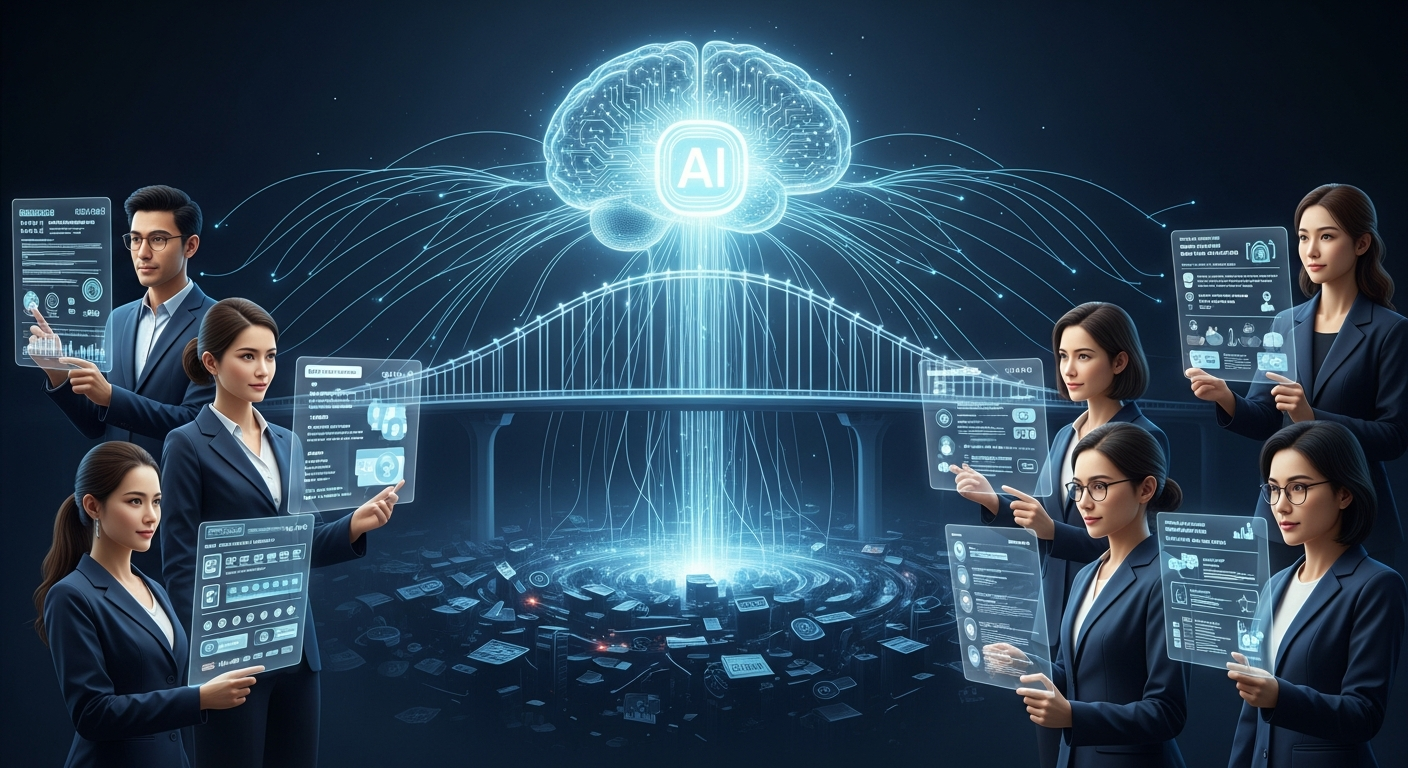
How AI-Powered Personalization is Solving the Modern Compliance Fatigue Crisis
For L&D leaders across highly regulated sectors – from banking and finance to healthcare and oil & gas – the phrase "compliance training" often conjures images of uninspired modules, tick-box exercises, and disengaged employees. This pervasive issue has coalesced into what we now recognize as the modern compliance fatigue crisis. Employees are overwhelmed by generic, often irrelevant content, leading to low retention, increased risk, and a significant drain on productivity. But what if compliance training could be transformed from a dreaded annual chore into an engaging, relevant, and even proactive learning experience? The answer lies in the strategic application of AI-powered personalization.
In today's fast-paced corporate environment, ensuring regulatory adherence is paramount. Yet, the traditional one-size-fits-all approach to compliance training is failing. It creates a backlog of forgotten information, fosters cynicism, and ultimately leaves organizations vulnerable. This article will explore how artificial intelligence is not just a technological buzzword but a vital solution for crafting a more effective, engaging, and less fatiguing compliance learning journey for your workforce.
The Pervasive Problem of Compliance Fatigue
Imagine a financial analyst, a pharma sales rep, or a hospital administrator forced to sit through hours of broad compliance training, much of which doesn't directly apply to their daily roles. This common scenario exemplifies compliance fatigue. It's not just about boredom; it's about the perceived irrelevance and the sheer volume of information that demands time and attention without providing clear, immediate value.
The consequences are tangible:
- Low Engagement & Retention: Learners disengage, click through content without absorbing it, and quickly forget critical information.
- Inefficiency: Valuable employee time is spent on training that isn't optimized for their specific needs, leading to lost productivity.
- Increased Risk: Gaps in knowledge, especially in nuanced compliance areas, leave organizations exposed to regulatory fines, reputational damage, and operational failures.
- Negative Culture: Compliance becomes a resented obligation rather than an integral part of responsible business practice.
For organizations operating with a global footprint or across diverse departments (e.g., retail, hospitality, mining), the complexity only escalates. Managing a robust learning management system (LMS) that can deliver effective compliance training across varied roles and regions is a monumental task without the right tools.
Enter AI: Revolutionizing Compliance with Personalization
Artificial intelligence offers a transformative shift from generic broadcasting to highly targeted, individual-centric learning. By leveraging data – learner performance, job role, geographical regulations, past training history, and even behavioral patterns – AI can dynamically adapt the learning experience, making it profoundly more effective.
What does smart technology bring to personalized learning? It brings the ability to analyze vast amounts of data to create learning paths that are unique to each individual. This means delivering the right content, at the right time, in the right format, precisely when and where it's needed most.
Key Ways AI-Powered Personalization Tackles Fatigue
Tailored Learning Paths & Relevant Content
Traditional compliance courses often treat everyone the same. AI changes this by constructing bespoke learning journeys. An employee in a sales role, for example, might receive training heavily focused on anti-bribery and data privacy, while a back-office operations specialist might focus more on financial reporting regulations or cybersecurity protocols. This hyper-relevance dramatically reduces the feeling of wasted time and increases engagement.
- AI algorithms assess individual roles, existing knowledge, and learning styles.
- Content is then curated from a broader library, presenting only what is essential and directly applicable to the learner.
This approach aligns perfectly with the principles of Adaptive Learning, ensuring that each learner progresses at their optimal pace, reinforcing weak areas and fast-tracking through known topics.
Right Content, Right Time: Microlearning and On-Demand Access
When is artificial intelligence most effective in delivering training? When it delivers knowledge in digestible, bite-sized chunks, precisely when a learner needs it. AI facilitates the delivery of Microlearning LMS modules that can be consumed in minutes, rather than hours. These short bursts of targeted information are much easier to absorb and retain, fitting seamlessly into busy work schedules.
Whether it's a quick video demonstrating a new fraud detection procedure for a banking professional or an interactive quiz on food safety for a hospitality worker, AI ensures these modules are pushed to the learner at relevant trigger points, making learning a continuous, integrated process rather than an isolated event.
Engaging Experiences: Gamification and Interactive Elements
How does intelligent automation enhance learner engagement? By transforming dry compliance material into interactive and enjoyable experiences. AI can recommend Gamified LMS elements based on a learner's past interactions and preferences. This could involve point systems, leaderboards, scenario-based simulations, or virtual reality modules that immerse learners in realistic compliance dilemmas. These approaches stimulate active participation, improve knowledge retention, and make compliance training feel less like a chore and more like a challenge to master.
Modern learning management software often integrates these features to create a dynamic learning environment, whether it's an enterprise learning management solution or a cloud based learning management system tailored for specific industries.
Proactive Risk Mitigation and Dynamic Content Updates
What preventative measures can advanced algorithms offer in compliance? AI can identify potential knowledge gaps and compliance risks *before* they manifest as problems. By analyzing learner performance data, AI can flag individuals or teams who might be struggling with specific regulatory areas, triggering targeted interventions or supplementary modules. This capability transforms compliance training from a reactive measure into a proactive risk management strategy.
Furthermore, an AI Powered Authoring Tool can dramatically expedite the process of creating and updating compliance content. As regulations evolve (a constant in sectors like finance and healthcare), AI can help content creators quickly adapt existing modules, ensuring that all training remains current and accurate. This is invaluable for Risk-focused Training, where outdated information can have severe repercussions.
Benefits for L&D Leaders and Organizations
For VPs, Directors, and Managers of L&D, adopting an AI-driven approach to compliance offers compelling advantages:
- Reduced Compliance Risk: Higher engagement and retention directly translate to a more compliant workforce.
- Improved ROI on Training: Optimized training paths mean less wasted time and more effective learning, maximizing your training budget.
- Enhanced Employee Morale & Productivity: Employees appreciate relevant training that respects their time, leading to higher job satisfaction and productivity.
- Data-Driven Insights: AI-powered learning content management system platforms provide deep analytics on learner performance, content effectiveness, and potential risk areas, empowering strategic decision-making.
- Scalability: Easily deploy and manage complex compliance training across a global workforce, adapting to diverse local regulations and job roles.
Implementing AI-Powered Compliance Training
Transitioning to an AI-powered compliance strategy involves embracing modern learning management solutions and tools. Consider platforms like MaxLearn LMS, which specialize in delivering personalized, impactful learning experiences. Look for a robust LCMS (Learning Content Management System) that can host diverse content types and leverage AI for content curation and delivery.
How can machine learning keep training content current? By continuously monitoring regulatory changes and suggesting updates to relevant training modules, ensuring your workforce is always equipped with the latest information.
Conclusion
The age of compliance fatigue is drawing to a close, thanks to the revolutionary capabilities of AI-powered personalization. By transforming compliance training from a dull, generic obligation into an engaging, highly relevant, and continuous learning journey, organizations can foster a truly compliant culture. L&D leaders now have the tools to mitigate risk effectively, boost employee engagement, and drive business growth through smarter, more human-centric learning experiences. Embrace AI, and turn compliance from a crisis into a competitive advantage.


Comments
Post a Comment