How Adaptive Learning Algorithms Bridge Compliance Skill Gaps in Real-Time
How Adaptive Learning Algorithms Bridge Compliance Skill Gaps in Real-Time
In today's rapidly evolving regulatory landscape, ensuring organizational compliance is not merely a box-ticking exercise; it's a strategic imperative. For Vice Presidents, Directors, and Managers of Learning and Development, the challenge is immense: how do you keep a diverse workforce abreast of ever-changing rules, mitigate risk, and cultivate a culture of compliance, all while dealing with resource constraints and employee learning fatigue? Traditional compliance training, often a one-size-fits-all approach delivered annually, is increasingly insufficient, leading to significant skill gaps and exposing organizations to unnecessary risk.
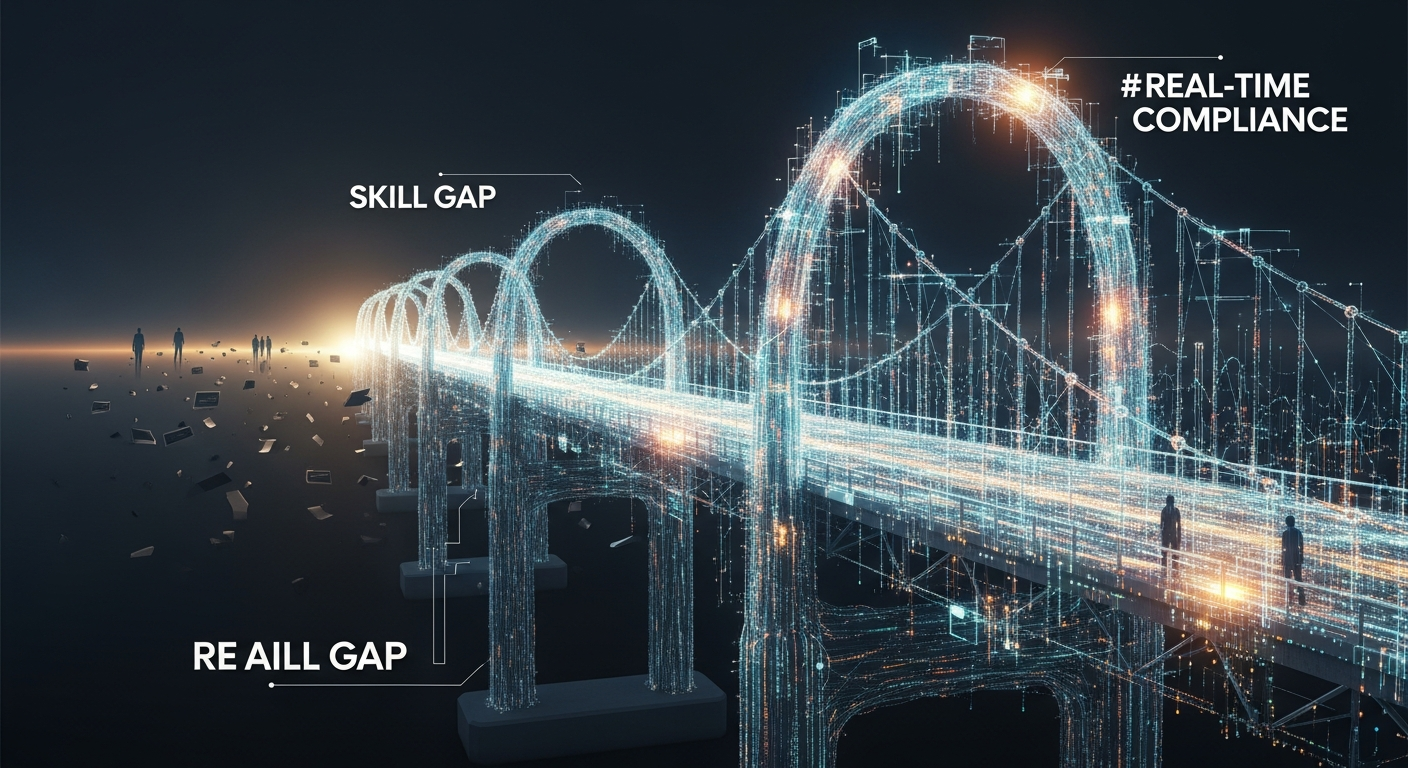
Enter adaptive learning algorithms. These intelligent systems are transforming how organizations approach compliance education, moving from static, passive consumption to dynamic, personalized, and real-time skill development. By leveraging data and artificial intelligence, adaptive learning platforms can identify individual knowledge gaps, deliver precise interventions, and ensure employees acquire and retain critical compliance skills exactly when they need them most.
The Evolving Landscape of Compliance Training
Why Traditional Methods Fall Short
For decades, compliance training has relied on conventional methods: lengthy e-learning modules, classroom lectures, and generic quizzes. While these methods have their place, they often fail to address the nuances of individual learning needs and the dynamic nature of regulatory requirements. Employees are often subjected to vast amounts of information, much of which may not be relevant to their specific role or current knowledge level. This can lead to information overload, disengagement, and a superficial understanding of critical compliance protocols. The result? A workforce that may not genuinely comprehend the implications of non-compliance, leaving organizations vulnerable in sectors like Finance, Healthcare, Oil and Gas, and Retail.
The Urgency of Real-Time Skill Bridging
Regulations across industries—from Sarbanes-Oxley in Banking to GDPR in Data Privacy, FDA regulations in Pharma, and HIPAA in Healthcare—are in constant flux. A new directive or a revised policy can emerge overnight, demanding immediate changes in employee behavior and understanding. Organizations face not only hefty fines for non-compliance but also severe reputational damage. The ability to identify, address, and bridge compliance skill gaps in real-time is no longer a luxury; it's a necessity for maintaining operational integrity and competitive advantage. An effective Microlearning LMS that incorporates advanced analytics becomes crucial for this real-time adaptation.
Unpacking Adaptive Learning: More Than Just Personalization
Adaptive Learning is not simply about letting learners choose their pace or preferred content format. It's a sophisticated, data-driven methodology that dynamically adjusts the learning path based on an individual's performance, proficiency, and engagement. Algorithms continuously assess a learner's strengths and weaknesses, predict potential areas of struggle, and then serve up the most relevant content, practice, and remediation to close those specific gaps.
This process typically begins with an initial diagnostic assessment to establish a baseline. As the learner progresses, the system gathers data on every interaction—answers to questions, time spent on topics, engagement with different media. This data feeds into the algorithm, which then optimizes the learning journey, ensuring efficiency and effectiveness. Imagine a comprehensive LMS (learning management system) that functions as an intelligent tutor, guiding each employee through their unique compliance journey.
How Adaptive Learning Algorithms Revolutionize Compliance Training
Pinpointing Individual Skill Gaps
Unlike traditional methods that assume everyone starts from the same knowledge base, adaptive algorithms excel at identifying specific deficiencies. Through pre-assessments, in-module quizzes, and interactive scenarios, these systems can pinpoint exactly where an employee lacks understanding, whether it's a particular anti-money laundering regulation for a banking professional or a specific safety protocol in the Oil and Gas sector.
Tailored Learning Paths
Once gaps are identified, the adaptive learning system delivers content that is precisely matched to the individual's needs. This means an employee proficient in one area won't waste time reviewing content they already know, while another who struggles receives targeted remediation. This not only makes training more efficient but also highly relevant. Organizations can implement a Microlearning LMS to deliver these tailored pathways in bite-sized, digestible formats, significantly improving retention and application.
Real-Time Feedback and Remediation
Adaptive platforms provide immediate feedback on performance, allowing learners to understand their mistakes and correct them instantly. If a learner answers incorrectly, the system can offer additional resources, rephrase explanations, or present the concept in a different format. This iterative process of assessment, feedback, and targeted remediation is crucial for solidifying understanding and bridging compliance knowledge gaps in real-time. For a comprehensive learning content management system, this feedback loop is a core feature.
Dynamic Content Delivery
Adaptive learning thrives on diverse content formats. It can serve up short videos, interactive simulations, case studies, quizzes, and even gamified challenges, choosing the most effective medium for a given concept and learner. The use of Adaptive Learning often goes hand-in-hand with Microlearning LMS strategies, breaking down complex compliance topics into easily digestible modules. Furthermore, an AI Powered Authoring Tool can dramatically accelerate the creation and updating of this dynamic content, ensuring it's always current and engaging.
Engaging and Effective Learning
By making learning highly relevant and interactive, adaptive systems boost engagement. Incorporating elements of a Gamified LMS can further motivate learners, turning compliance training from a chore into an engaging experience. Leaderboards, badges, and scenario-based challenges foster healthy competition and deepen understanding, particularly for complex topics like ethical conduct or data privacy regulations.
Real-World Impact Across Industries
The benefits of adaptive learning for compliance extend across all regulated industries. In Finance, it ensures frontline staff understand ever-changing anti-money laundering (AML) protocols. In Healthcare, it can train medical professionals on patient data privacy (HIPAA) and new treatment guidelines. Retail and Hospitality leverage it for food safety and customer service compliance. Pharma companies use it to ensure adherence to strict manufacturing and drug trial regulations. For the Oil and Gas and Mining sectors, Risk-focused Training delivered adaptively can be lifesaving, ensuring every worker understands critical safety procedures and environmental regulations, directly mitigating operational risks. Essentially, any enterprise requiring robust enterprise learning management can benefit.
Strategic Questions for L&D Leaders: Leveraging AI in Compliance
As L&D leaders consider integrating these advanced technologies, several strategic questions arise:
How can our organization leverage intelligent systems to ensure every employee understands critical compliance updates as they happen, regardless of their prior knowledge or role?
Intelligent adaptive learning platforms continuously monitor regulatory changes and employee performance. By mapping specific compliance requirements to roles and individual skill levels, these systems can automatically trigger micro-learning modules or assessments when new updates are released or when a knowledge gap is detected. This ensures targeted dissemination of critical information and real-time comprehension validation, fundamentally shifting from reactive annual training to proactive, continuous skill development.
Given the diverse geographical footprint of our operations, how can we implement a standardized yet locally relevant compliance training program that adapts to regional regulations and employee proficiency levels?
Adaptive learning platforms with robust localization features are key. These systems can host a core curriculum for global standards while simultaneously offering region-specific modules tailored to local regulations and languages. The algorithms then direct learners to the relevant content based on their location and role, ensuring both global consistency and local adherence. This capability positions a cloud based learning management system as an ideal solution for large, distributed organizations.
What organizational shifts are necessary to fully integrate and maximize the effectiveness of AI-driven adaptive compliance training, and how can we measure its long-term impact on our overall risk posture?
Successful integration requires a cultural shift towards continuous learning and data-driven decision-making. L&D teams must collaborate closely with compliance officers and IT to ensure seamless platform integration and content alignment. Measuring impact involves tracking key performance indicators such as reduction in compliance incidents, audit scores, employee comprehension rates, and efficiency gains in training delivery. Over time, this data provides a clear ROI, demonstrating how enhanced learning management software actively lowers organizational risk and fosters a culture of unwavering compliance.
Choosing the Right Microlearning LMS for Adaptive Compliance
For L&D professionals seeking to implement adaptive learning for compliance, selecting the right learning management system (LMS) is paramount. Look for a robust platform with advanced analytics, genuine AI capabilities for personalized learning paths, seamless integration with existing HR systems, and a user-friendly interface. A modern LCMS (Learning Content Management System) or learning management solutions should also support diverse content types, including microlearning modules and gamified elements, to maximize engagement and knowledge retention. MaxLearn LMS, for instance, offers these critical features, enabling organizations to deliver highly effective compliance training.
The transition to an adaptive learning model represents a proactive, intelligent investment in an organization's future. By bridging compliance skill gaps in real-time, L&D leaders can empower their workforce, protect their organization from regulatory pitfalls, and foster a strong, ethical culture of compliance.


Comments
Post a Comment