Data Protection & GDPR Training: Keeping Distributed Remote Teams Audit-Ready
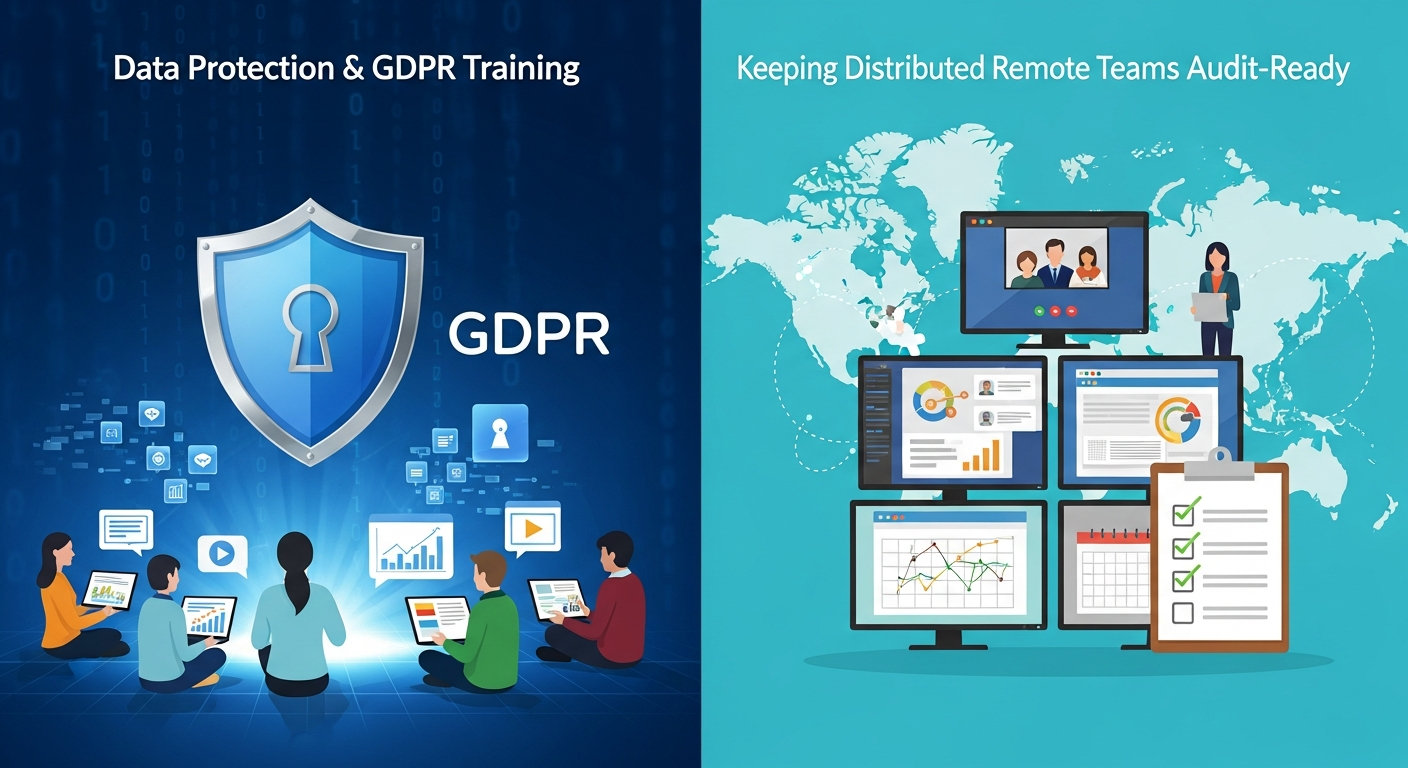
Data Protection & GDPR Training: Keeping Distributed Remote Teams Audit-Ready
In today's interconnected business landscape, the shift to distributed remote teams has unlocked unprecedented flexibility and global talent pools. Yet, this evolution comes with its own set of complex challenges, particularly concerning data protection and compliance. For Vice Presidents, Directors, and Managers of Learning & Development across industries like Compliance, Sales, Banking, Finance, Insurance, Retail, Pharma, Healthcare, Hospitality, Oil and Gas, and Mining, ensuring your remote workforce is not just aware, but truly proficient in GDPR and other data protection regulations, is paramount. An audit-ready team isn't merely a nice-to-have; it's a strategic imperative for safeguarding sensitive information, maintaining trust, and avoiding severe penalties.
The stakes couldn't be higher. A single data breach can lead to colossal fines, reputational damage, and a significant loss of customer confidence. When your employees are working from various locations, often using different networks and devices, the traditional perimeter of security blurs. This necessitates a proactive, engaging, and continuously updated training strategy that goes beyond tick-box exercises. This article explores how modern eLearning solutions can transform your approach to data protection and GDPR training, making your distributed remote teams genuinely audit-ready.
The Evolving Landscape of Data Protection for Remote Workforces
The General Data Protection Regulation (GDPR) set a global benchmark for data privacy, mandating stringent requirements for how organizations collect, process, and store personal data. While GDPR primarily targets EU citizens' data, its principles have influenced data protection laws worldwide. The rapid pivot to remote work amplified existing challenges and introduced new ones:
- Increased endpoints and potential vulnerabilities outside the corporate network.
- Diverse home office environments, some less secure than traditional workspaces.
- Challenges in monitoring and enforcing data handling protocols consistently.
- The need for universal understanding of data privacy principles, irrespective of location.
For L&D leaders, this translates into a critical need for a robust, scalable learning management system that can effectively reach and educate every employee, everywhere. Traditional, in-person training sessions are no longer feasible or efficient for a globally dispersed workforce. The solution lies in adopting advanced eLearning strategies that ensure comprehensive understanding and consistent application of data protection practices.
Why Traditional Training Approaches Fall Short
Conventional training methods often struggle to meet the dynamic demands of data protection for remote teams. Here's why:
-
Lack of Engagement: Lengthy, generic presentations or static documents rarely capture attention, leading to superficial understanding rather than deep retention. When compliance is complex, engagement is crucial.
-
Inconsistency: Delivering uniform training content and measuring its effectiveness across different time zones and cultural contexts is incredibly difficult without a centralized platform. This can lead to varying levels of compliance knowledge across the organization.
-
Scalability Issues: Traditional training doesn't scale well. As your remote workforce grows or regulations evolve, updating and redeploying content manually becomes a cumbersome and often impossible task.
-
Poor Tracking & Reporting: Demonstrating compliance during an audit requires meticulous records of who was trained, on what, and their understanding. Traditional methods often provide insufficient data for audit readiness.
To overcome these hurdles, organizations need a modern, agile learning management system (LMS) that can deliver targeted, engaging, and measurable data protection training.
Building an Audit-Ready Culture: The Role of Effective Training
An audit-ready culture is built on a foundation of continuous learning and proactive compliance. It means that every employee, from entry-level staff to senior executives, understands their role in protecting data and adheres to established protocols without constant supervision. Effective training is the cornerstone of this culture, fostering:
- Awareness: Ensuring all employees know what data protection and GDPR entail.
- Understanding: Helping them grasp the 'why' behind the rules and their personal responsibilities.
- Application: Equipping them with the practical skills to handle data securely in their daily tasks.
- Accountability: Instilling a sense of ownership over data privacy.
Key Components of Robust GDPR Training for Remote Teams
To be effective, data protection training for a distributed workforce must incorporate several key elements:
-
Accessibility & Flexibility: Training must be available anytime, anywhere, on any device. A robust cloud based learning management system is essential for this.
-
Personalization & Relevance: Content should be tailored to different roles and departments, highlighting the specific data protection risks and responsibilities relevant to their day-to-day work.
-
Engagement & Retention: Interactive formats, real-world scenarios, and regular reinforcement are critical for long-term knowledge retention. This is where a Gamified LMS can make a significant difference.
-
Measurability & Reporting: The learning management software must provide detailed analytics on completion rates, comprehension levels, and areas of weakness to demonstrate compliance and identify training gaps. This is crucial for an audit-ready posture.
Leveraging Modern eLearning for Superior Data Protection Training
Modern eLearning offers the tools necessary to build a truly audit-ready remote workforce. An advanced Microlearning LMS can deliver bite-sized, digestible content that fits into the busy schedules of remote employees, improving retention and reducing training fatigue. These short, focused modules can address specific GDPR articles or data protection scenarios, making learning efficient and impactful.
Furthermore, an enterprise learning management system that incorporates Gamified LMS features can significantly boost engagement. Leaderboards, badges, points, and interactive challenges transform what might otherwise be dry compliance material into an enjoyable and competitive experience, motivating learners to complete modules and grasp concepts more thoroughly.
To ensure content remains relevant and impactful for diverse teams, Adaptive Learning technologies are invaluable. This approach dynamically adjusts the learning path based on individual performance and preferences, ensuring that each employee receives training that directly addresses their knowledge gaps and strengthens their understanding of data protection principles. This personalized approach enhances efficiency and effectiveness, crucial for comprehensive GDPR coverage.
Creating and maintaining this dynamic content is also streamlined with modern tools. An AI Powered Authoring Tool can dramatically reduce the time and effort required to develop engaging, up-to-date compliance courses. These tools can help generate scenario-based questions, adapt content for different learning styles, and even translate materials for global teams, ensuring consistency and accuracy across all learning content management system deployments.
Finally, focusing on Risk-focused Training within your learning management solutions allows L&D professionals to prioritize critical areas. By identifying the highest data protection risks relevant to specific roles or departments, training can be precisely targeted, maximizing its impact on overall organizational security and compliance posture.
AI-Enhanced Training: Answering Your Critical Questions
L&D professionals often grapple with how to optimize compliance training for maximum impact and measurability. Here are common questions addressed by an advanced learning management system (LMS) leveraging intelligent insights:
How can we ensure our remote teams truly engage with compliance training, rather than just clicking through?
An advanced learning management system can provide sophisticated tools for enhanced engagement. By leveraging intelligent algorithms, the system can analyze user interactions and recommend personalized learning paths, ensuring content is not only relevant but also delivered in an optimal format for each individual. Think of interactive simulations that mimic real-world data handling dilemmas, or gamified challenges that test understanding in an engaging way. Such dynamic content, combined with timely, relevant notifications driven by intelligent analysis of performance, keeps learners actively participating and absorbing critical data protection knowledge.
With teams spread across different regions, how do we deliver consistent yet locally relevant data protection insights?
Geographically dispersed teams present a unique challenge for compliance. A modern learning management software, particularly a cloud based learning management system, excels here. It can host localized content, offering specific modules that address regional data privacy nuances alongside universal GDPR principles. Advanced analytical capabilities can track engagement and comprehension based on location, allowing L&D managers to identify regions needing more focused attention or different content approaches. This ensures that while the core message of data protection is consistent globally, its application is understood within the specific legal and cultural context of each region, making the training more impactful and ensuring global audit readiness.
Beyond basic completion rates, how can we gain deeper insights into our team's understanding and identify potential compliance gaps before they become problems?
Moving beyond simple metrics requires a learning management system (LMS) that offers advanced intelligent insights. This means leveraging AI-driven analytics to evaluate not just if an employee completed a module, but *how* well they understood the material. The system can identify patterns in incorrect answers, highlight areas of common misunderstanding, and even predict potential compliance risks based on past performance. For instance, if several employees consistently struggle with concepts related to data subject rights, the system can flag this as an organizational knowledge gap, prompting L&D to deploy targeted reinforcement or additional training. This proactive identification of vulnerabilities transforms your compliance strategy from reactive to predictive, significantly bolstering your audit posture.
Choosing the Right Learning Management System (LMS) for Compliance
Selecting the ideal enterprise learning management solution is crucial for successful data protection training. When evaluating an LMS, consider these key features:
- Robust Security: Ensure the LCMS itself is secure and compliant with data privacy regulations.
- Scalability: Can it grow with your organization and accommodate thousands of remote users? A cloud based learning management system is often best.
- Comprehensive Reporting: Does it offer detailed analytics and audit trails necessary to demonstrate compliance?
- User-Friendliness: Is it intuitive for both learners and administrators?
- Integration Capabilities: Can it integrate with existing HR systems or other business tools?
- Content Authoring Tools: Does it support the creation of engaging, multimedia-rich content? An AI Powered Authoring Tool is a significant advantage.
Solutions like MaxLearn LMS are specifically designed to meet these complex demands, offering a comprehensive suite of tools for effective, engaging, and measurable compliance training. A robust learning management system is not just a training platform; it's a strategic asset for data protection and organizational resilience.
Conclusion
For L&D leaders overseeing distributed remote teams, the challenge of maintaining GDPR and data protection compliance is significant, but not insurmountable. By embracing modern eLearning strategies powered by an advanced learning management system, you can transform your compliance training from a burden into a strategic advantage. Implementing a solution that offers Microlearning LMS, Gamified LMS, and Adaptive Learning, bolstered by an AI Powered Authoring Tool and Risk-focused Training, ensures your remote workforce is not just informed, but genuinely audit-ready. Invest in a sophisticated learning management software to protect your data, your reputation, and your future.


Comments
Post a Comment