How to Create Microlearning Lessons for Visual and Auditory Learners
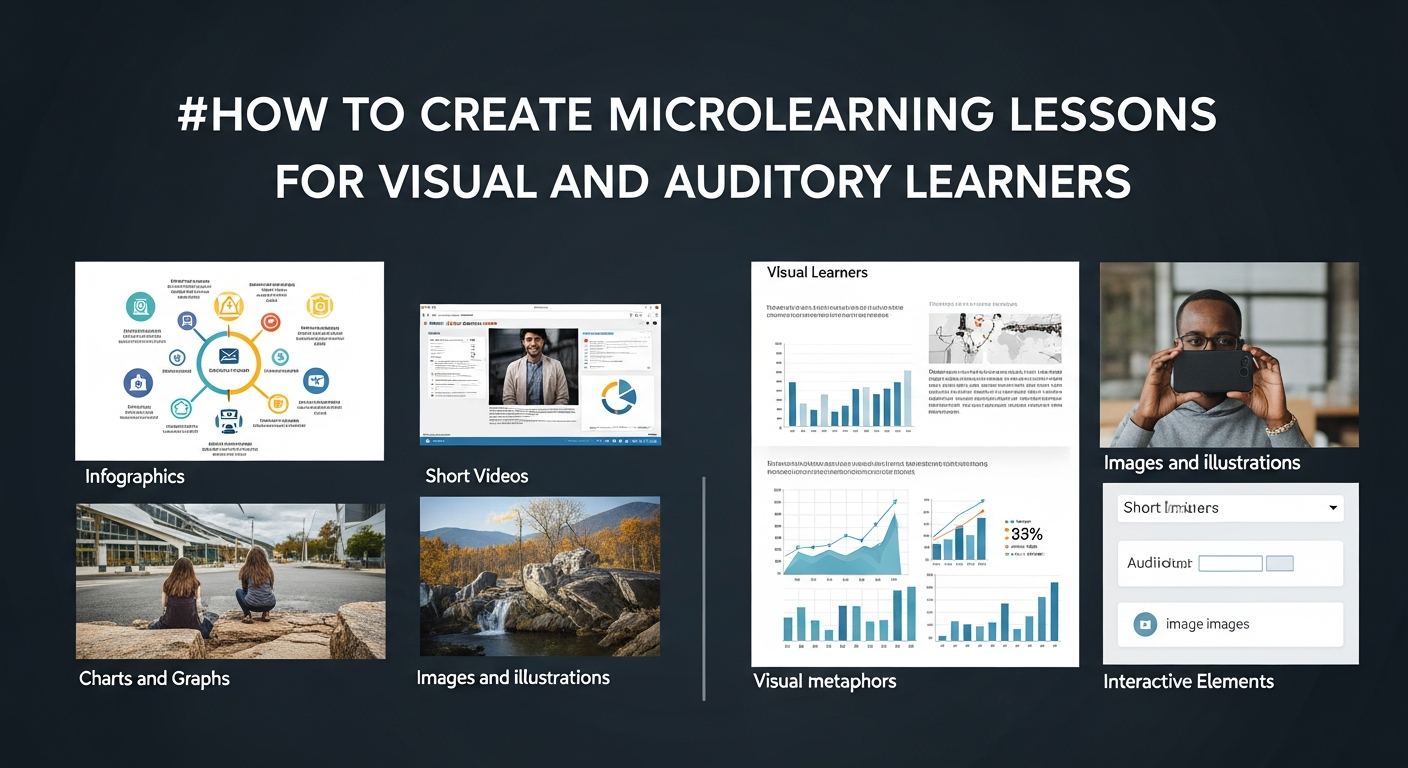
Mastering Microlearning: Crafting Engaging Lessons for Visual and Auditory Learners
In today's fast-paced corporate environment, where information overload is a constant challenge and attention spans are shrinking, effective learning and development strategies are paramount. For L&D Vice Presidents, Directors, and Senior Managers across industries like Compliance, Sales, Banking, Finance, Insurance, Retail, Pharma, Healthcare, Hospitality, Oil and Gas, and Mining, the need to deliver impactful training that resonates with a diverse workforce has never been greater. Microlearning LMS solutions have emerged as a powerful answer, offering bite-sized, focused content that fits seamlessly into busy schedules.
However, the true potential of microlearning is unlocked when it caters to individual learning preferences. This article delves into how L&D leaders can design compelling microlearning lessons specifically for visual and auditory learners, ensuring maximum engagement and knowledge retention within their organizations.
Why Microlearning is a Game-Changer for Diverse Learners
Microlearning, characterized by short, focused learning bursts (typically 3-10 minutes), is inherently effective due to its ability to combat cognitive overload and enhance recall. When delivered through a modern learning management system (LMS), it provides flexibility and accessibility. For an enterprise learning management strategy, incorporating microlearning ensures that critical information, whether it's new compliance regulations, sales techniques, or operational procedures in mining, is absorbed efficiently.
The challenge lies in acknowledging that not all learners process information the same way. Some thrive on seeing, others on hearing. A one-size-fits-all approach inevitably leaves segments of your workforce underserved. By intentionally designing microlearning for both visual and auditory preferences, you create a more inclusive and effective learning experience, maximizing the return on your L&D investment.
Designing for the Visual Learner
Visual learners constitute a significant portion of the workforce, absorbing information best when it's presented graphically. They prefer to see concepts, demonstrations, and relationships. For these individuals, a picture is truly worth a thousand words, especially in complex fields like finance or healthcare, where processes need to be clearly illustrated.
Key Microlearning Strategies for Visual Learners:
- Infographics and Data Visualizations: Condense complex data or processes (e.g., banking regulations, sales funnels) into easily digestible visual formats.
- Short Explainer Videos: Demonstrate tasks, software navigation, or product features. Think animated explainers for abstract concepts or real-world simulations for hospitality staff.
- Interactive Quizzes with Visual Feedback: Use images and graphics within quizzes to reinforce learning and provide immediate visual cues for correct/incorrect answers.
- Visual Storytelling: Create scenarios with characters and settings that visually represent a problem and its solution, particularly effective for risk-focused training.
- Mind Maps and Flowcharts: Illustrate relationships between concepts or steps in a procedure, ideal for understanding complex compliance workflows.
What visual content formats offer the most significant impact for rapid learning and recall across diverse linguistic backgrounds?
Highly graphical content such as animated explainer videos, universal icon-based infographics, and step-by-step visual demonstrations tend to transcend linguistic barriers effectively. These formats minimize reliance on text, allowing for quick comprehension and strong recall, making them invaluable for global enterprises in pharma or oil and gas.
Designing for the Auditory Learner
Auditory learners process information best through sound. They learn by listening to lectures, discussions, and verbal explanations. For these learners, well-crafted narration or spoken instructions can be far more impactful than a lengthy text document. This is especially true for sectors like customer service in retail or insurance, where listening skills are paramount.
Key Microlearning Strategies for Auditory Learners:
- Narrated Presentations/Videos: Ensure all visual content is accompanied by clear, concise narration that explains and reinforces what's being shown.
- Podcasts and Audio Summaries: Offer standalone audio modules for learners to consume on the go, perfect for reviewing key concepts in sales or mining safety protocols.
- Audio-Enhanced Scenarios: Use voice actors to create realistic dialogues or scenarios, allowing learners to hear how conversations should unfold (e.g., customer interactions in banking).
- Verbal Instructions and Explanations: Break down complex topics into spoken segments, using tone and emphasis to highlight important points.
- Interactive Audio Quizzes: Pose questions verbally and allow for verbal or selected-audio responses, providing spoken feedback.
How can advanced algorithms optimize audio explanations for clarity and engagement, especially in complex compliance training scenarios?
Modern AI Powered Authoring Tool can analyze scripts for readability and complexity, suggesting simpler vocabulary or sentence structures. They can also synthesize natural-sounding voices with customizable tones, ensuring clarity, appropriate pacing, and engagement for intricate topics like regulatory changes in banking or healthcare compliance.
Synergizing Visual and Auditory Elements for Maximum Impact
The most effective microlearning lessons often combine both visual and auditory elements. This multi-sensory approach caters to a broader spectrum of learning preferences and reinforces information through multiple channels, leading to superior retention and understanding. Imagine a healthcare professional learning a new procedure – seeing it demonstrated while hearing the steps explained creates a powerful learning synergy.
Examples of synergistic microlearning:
- Narrated Animated Explainer Videos: Highly effective for explaining complex topics in a concise and engaging manner, combining dynamic visuals with clear audio.
- Interactive Simulations with Audio Feedback: Learners navigate a visual environment (e.g., a virtual factory floor in oil and gas) and receive instant spoken feedback on their actions.
- Audio Stories with Supporting Visuals: A compelling narrative augmented by relevant images, charts, or infographics that appear on screen at key moments.
A robust learning management system is crucial for delivering this rich, varied content. A cloud based learning management system ensures accessibility for your entire workforce, anywhere, anytime. Features like a Gamified LMS can further boost engagement by making learning an enjoyable competition, while Adaptive Learning capabilities personalize the journey based on individual progress and preferences.
Leveraging Technology for Enhanced Microlearning Delivery
Implementing effective microlearning for visual and auditory learners requires more than just good content; it demands the right technology. An advanced LMS or LCMS (Learning Content Management System) acts as the backbone, enabling seamless creation, delivery, and tracking of diverse learning modules.
Look for a learning management software that supports a wide range of media types – videos, audio files, interactive graphics, simulations – and allows for flexible module assembly. A comprehensive learning management system like MaxLearn LMS offers the tools necessary for an enterprise learning management strategy, ensuring your training initiatives are scalable and impactful across all departments and geographical locations.
In what ways can intelligent systems and modern LMS platforms personalize microlearning pathways to cater to an individual's preferred learning style and geographic location, ensuring optimal engagement and knowledge retention within a large enterprise?
Intelligent systems within an lms learning management system can analyze learner data (completion rates, quiz scores, content preferences) to recommend specific formats – for instance, more video modules for a visual learner or audio summaries for an auditory one. Geo-tagging or user-defined preferences can also trigger localized content versions or language options, enhancing relevance and engagement for teams spread across different regions, from retail to oil and gas operations.
Practical Strategies for L&D Leaders
Content Curation and Creation
Invest in an AI Powered Authoring Tool to streamline the creation of diverse microlearning assets. Don't shy away from repurposing existing long-form content into bite-sized visual and auditory modules. For example, a lengthy compliance manual can be transformed into a series of animated scenarios and narrated Q&A sessions.
Instructional Design Expertise
Train your instructional designers to think "visually and audibly" when outlining microlearning modules. Encourage them to consider how a concept can be illustrated or explained verbally before defaulting to text. This is critical for topics requiring Risk-focused Training, where clarity can prevent costly errors.
Feedback and Iteration
Utilize the analytics capabilities of your learning management solutions to gather feedback on which types of microlearning content resonate most with your learners. Adjust your approach based on data, continually refining your lessons for maximum impact across various industries, from pharma to hospitality.
Conclusion
Creating microlearning lessons that effectively cater to both visual and auditory learners is not just an instructional design best practice; it's a strategic imperative for L&D leaders. By thoughtfully integrating diverse media types – from vivid visuals to compelling audio – and leveraging the power of an advanced LMS, organizations can foster a more engaging, inclusive, and ultimately, more knowledgeable workforce. Embrace the opportunity to transform your training programs and unlock the full potential of every learner in your enterprise. Explore how a comprehensive MaxLearn LMS can empower your L&D initiatives.


Comments
Post a Comment