How Do Peer-to-Peer Leaderboards Drive Corporate Engagement?
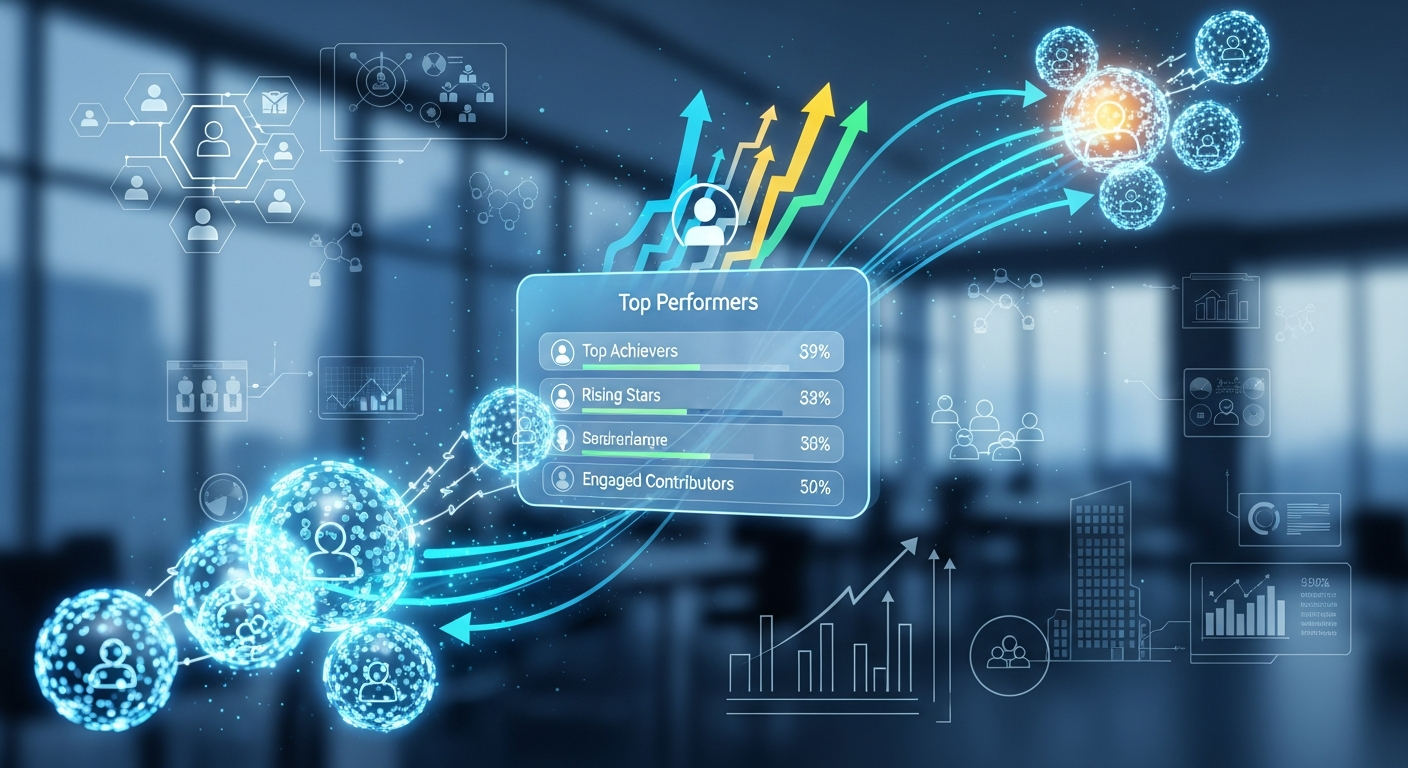
How Peer-to-Peer Leaderboards Drive Corporate Engagement in the Modern Enterprise
In today's dynamic corporate landscape, fostering robust employee engagement is no longer a luxury but a strategic imperative. For Vice Presidents, Directors, and Managers of Learning & Development, the challenge lies in finding innovative mechanisms that not only deliver effective training but also ignite intrinsic motivation and sustained participation. Enter peer-to-peer leaderboards – a powerful gamification tool that leverages our innate desire for achievement, recognition, and friendly competition to significantly boost corporate engagement across diverse industries.
The concept is simple yet profound: by transparently showcasing individual or team performance relative to peers, leaderboards create an environment of healthy rivalry and collective aspiration. This article explores the psychology, practical applications, and strategic advantages of integrating peer-to-peer leaderboards into your corporate learning and development initiatives, demonstrating their potential to transform passive training into an active, engaging experience.
The Psychology Behind Gamification and Leaderboards
At its core, the effectiveness of leaderboards is rooted in behavioral psychology. Humans are inherently driven by several key motivators:
- Achievement: The satisfaction of reaching a goal or mastering a skill. Leaderboards provide clear milestones and a sense of progress.
- Recognition: The desire to be seen and acknowledged for effort and success. Public leaderboards offer a prominent platform for this.
- Competition: A natural inclination to compare oneself with others and strive for better performance. When structured positively, competition can be a powerful accelerator.
- Social Influence: Seeing peers succeed can inspire others to elevate their own game, fostering a culture of continuous improvement.
When integrated into a Gamified LMS, leaderboards transform mundane learning tasks into an exciting challenge. They provide immediate feedback, clarify performance expectations, and tap into the fun of game-like progression, making learning less of a chore and more of an interactive journey.
How Peer-to-Peer Leaderboards Drive Engagement
The application of leaderboards extends beyond simple ranking, contributing to engagement in multifaceted ways:
- Spurring Healthy Competition: Employees are motivated to outperform their colleagues or maintain their standing. This competitive spirit directly translates into higher completion rates for training modules, deeper interaction with content, and a greater commitment to skill development.
- Fostering Recognition and Rewards: Leaderboards provide a transparent mechanism for recognizing top performers. This public acknowledgment can be a significant motivator, often more powerful than monetary incentives alone. Companies can tie tangible rewards or simply bragging rights to leaderboard positions, reinforcing desired behaviors.
- Promoting Social Learning and Collaboration: While competitive, leaderboards can also foster collaboration. High-ranking individuals might become informal mentors, sharing strategies and insights with those striving to improve. This creates a peer-driven learning ecosystem.
- Providing Instant Feedback and Goal Setting: Employees can immediately see where they stand, allowing them to adjust their learning strategies. This real-time feedback loop is crucial for Adaptive Learning, enabling learners to set incremental goals and track their progress effectively.
- Boosting Morale and Team Cohesion: When teams compete against each other, leaderboards can enhance team spirit and camaraderie. It creates shared goals and a sense of collective achievement, particularly when combined with team-based challenges.
Benefits Across Diverse Industries
The versatility of peer-to-peer leaderboards makes them invaluable across a wide spectrum of industries:
- Compliance: In sectors like Banking, Finance, and Insurance, where regulatory updates are constant, leaderboards can incentivize timely completion of Risk-focused Training and high scores on compliance assessments, ensuring a well-informed workforce.
- Sales: Naturally competitive environments, sales teams thrive on leaderboards. They can track product knowledge mastery, sales technique scores, or even completion of sales process training, directly correlating learning engagement with performance.
- Healthcare & Pharma: Continuous learning is vital. Leaderboards can encourage medical professionals to complete CME credits, stay updated on new protocols, or master complex pharmaceutical product knowledge.
- Retail & Hospitality: Enhancing customer service and product knowledge is key. Leaderboards can drive engagement in training modules related to customer experience, product features, or service standards.
- Oil & Gas / Mining: Safety training is paramount. Leaderboards can incentivize thorough engagement with critical safety procedures, emergency protocols, and equipment operation training, potentially reducing incidents.
Implementing Leaderboards Effectively: Best Practices
To maximize the impact of leaderboards, consider these best practices:
- Clarity and Transparency: Clearly define what metrics are being tracked and how points are earned. Fairness is crucial to maintaining motivation.
- Meaningful Metrics: Ensure leaderboards track progress relevant to job performance or critical skills, not just trivial activities.
- Diverse Challenges: Offer various ways to earn points – completing courses, achieving high scores, participating in discussions, mentoring peers – to cater to different strengths.
- Regular Updates and Communication: Keep leaderboards fresh with regular updates and communicate progress to maintain excitement.
- Combine with Other Gamification Elements: Integrate leaderboards with badges, points, and quests for a more comprehensive and engaging experience. An LMS with robust gamification features is essential.
- Avoid Demotivation: Consider options for smaller leaderboards within teams or provide private dashboards for individual progress, ensuring those not at the top remain engaged.
The Role of an Advanced Learning Platform
Implementing effective peer-to-peer leaderboards requires a sophisticated learning management system. A modern cloud based learning management system, such as MaxLearn LMS, provides the infrastructure to not only host and deliver content but also to track, analyze, and display performance data seamlessly. A cutting-edge Microlearning LMS can integrate leaderboards with bite-sized content, making it easier for employees to earn points and see progress quickly, further enhancing engagement.
These platforms often include an AI Powered Authoring Tool, which can help L&D teams create dynamic and engaging content that naturally lends itself to gamification. The ability of a comprehensive learning content management system (or LCMS) to manage diverse learning materials and track granular performance data is crucial for powering impactful leaderboards. Modern learning management software and learning management solutions are designed to support complex gamified structures, transforming how organizations approach enterprise learning management.
Frequently Asked Questions About Intelligent Leaderboard Systems
How can an advanced analytical system help in personalizing leaderboards for diverse teams?
An advanced analytical system can segment users based on roles, departments, locations, or even learning styles and present tailored leaderboards. It can analyze performance data to suggest personalized learning paths or challenges, ensuring that competition is fair and relevant to each individual's context, rather than a one-size-fits-all approach that might demotivate. This intelligent segmentation ensures that every employee finds their competitive niche and feels empowered to climb their respective ranks.
What are the key metrics an intelligent system should track for leaderboard effectiveness?
Beyond simple completion rates, an intelligent system should track engagement depth (time spent, interaction with content), performance improvement (pre/post-assessment scores, skill application in real-world scenarios), social interaction (comments, shares, peer feedback), and retention rates of knowledge. It should also monitor individual progress trajectories to identify learning plateaus or sudden drops in engagement, signaling a need for targeted intervention or content modification.
Can a data-driven approach ensure fairness and prevent demotivation in competitive learning environments?
Absolutely. A data-driven approach, powered by sophisticated algorithms, can monitor participation rates and performance distributions to detect potential biases or signs of demotivation. It can recommend adjustments like creating smaller, more achievable leaderboards, introducing collaborative challenges, or varying reward structures. By dynamically adapting the competitive landscape based on real-time data, an intelligent system can maintain a balanced and motivating environment for all participants, preventing a situation where a few dominant players overshadow and discourage others.
Conclusion
Peer-to-peer leaderboards offer a compelling strategy for L&D leaders aiming to revitalize corporate engagement. By tapping into fundamental human motivators – achievement, recognition, and competition – they transform learning from a passive requirement into an active, desirable pursuit. Integrating leaderboards into a robust lms learning management system can create a vibrant, self-sustaining learning culture that drives skill development, improves compliance, and ultimately contributes to organizational success. As you strategize your next steps in enhancing corporate engagement, consider the powerful, motivating force of a well-implemented peer-to-peer leaderboard system.


Comments
Post a Comment