Automated Training Assignments: Streamlining Onboarding and Compliance for Logistics Hubs
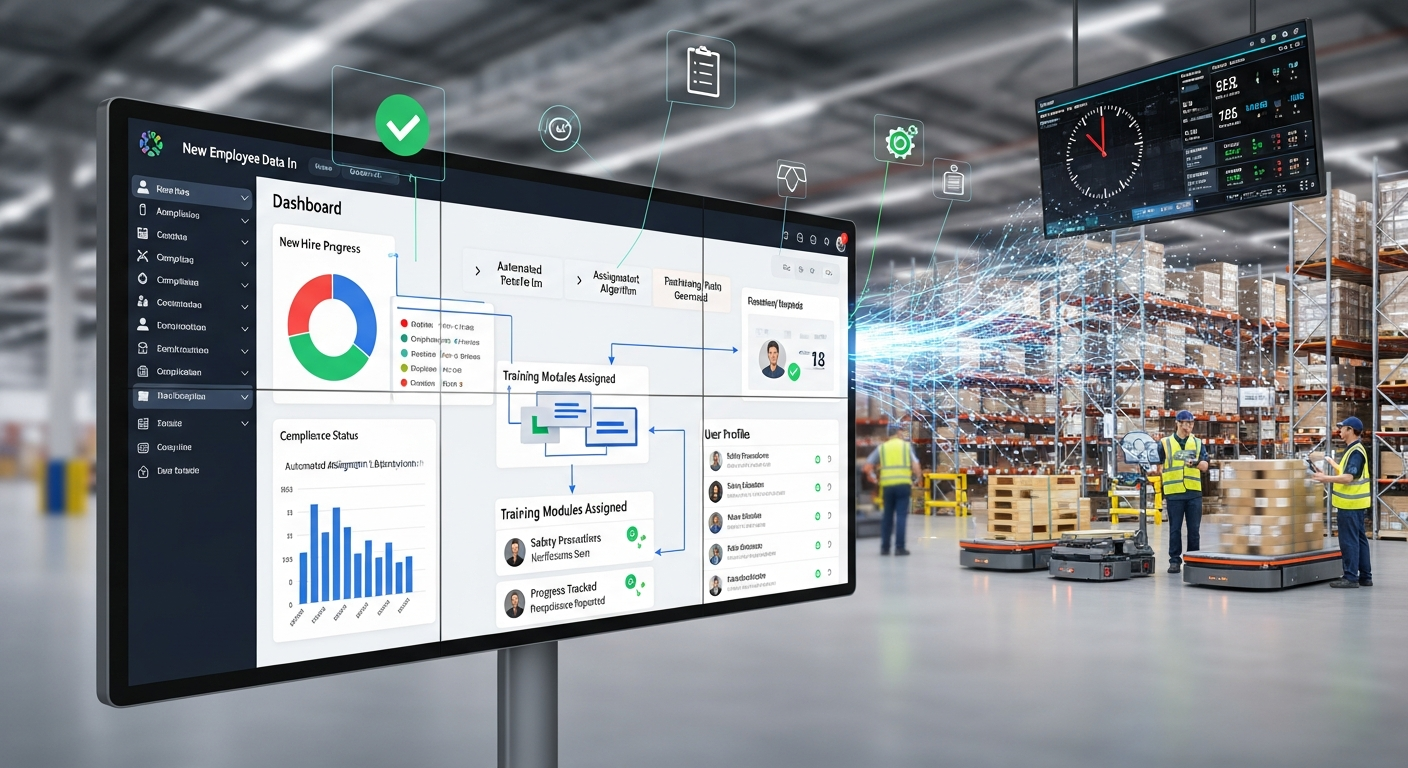
Automated Training Assignments: Streamlining Onboarding and Compliance for Logistics Hubs
The intricate dance of goods, vehicles, and personnel within a logistics hub is a marvel of modern efficiency. Yet, beneath the surface of this well-oiled machine often lies a significant challenge: managing onboarding and ensuring continuous compliance for a diverse, dynamic, and often high-turnover workforce. For L&D Vice Presidents, Directors, and Senior Managers, this isn't just an administrative headache; it's a strategic bottleneck impacting safety, productivity, and profitability. Manual training assignments, tracking, and reporting are simply no longer sustainable in this fast-paced environment.
Enter automated training assignments – a game-changer for logistics operations. By leveraging intelligent systems, logistics hubs can transform their training landscape, moving from reactive to proactive, from cumbersome to seamless. This article will explore how automated training assignments not only streamline critical L&D processes but also empower your workforce and fortify your operational resilience.
The Unique Training Challenges of Logistics
Logistics hubs present a crucible of training complexities:
- High Turnover: The industry often experiences significant employee churn, demanding frequent and efficient onboarding cycles.
- Diverse Roles: From forklift operators and truck drivers to inventory managers and dispatchers, each role requires specific, often safety-critical, training.
- Stringent Compliance: Regulatory bodies impose strict guidelines for safety, hazardous materials, driving hours, and more. Non-compliance carries severe penalties and reputational damage.
- Dynamic Operations: New technologies, evolving safety protocols, and changes in supply chain demands necessitate ongoing, adaptive training.
- Geographical Spread: Large hubs or multi-site operations complicate consistent training delivery and tracking across locations.
Navigating these challenges with traditional methods can overwhelm L&D teams, lead to inconsistent training quality, and create blind spots in compliance. A modern LMS (Learning Management System) is no longer a luxury but a necessity to address these issues effectively.
The Power of Automated Training Assignments
Automated training assignments fundamentally rethink how training is managed, delivering significant benefits:
Accelerated and Consistent Onboarding
Imagine new hires receiving their complete, role-specific training curriculum automatically assigned on their first day, complete with reminders and progress tracking. This drastically cuts down the time-to-competence, allowing new employees to become productive members of the team faster. A specialized Microlearning LMS can break down complex onboarding modules into bite-sized, digestible units, further accelerating comprehension and retention for new recruits.
Ensuring Continuous Compliance
Regulatory updates are constant. Manual tracking of certifications, licenses, and mandatory refreshers is prone to error and oversight. Automated systems ensure that Risk-focused Training modules are automatically assigned based on job role, expiry dates, or new regulatory requirements. This proactive approach minimizes compliance gaps and provides an undeniable audit trail, proving that your organization is adhering to all necessary standards. The entire process becomes far more manageable with a robust learning management system.
Reducing Administrative Burden
L&D teams spend countless hours manually assigning courses, sending reminders, and generating reports. Automated assignments free up valuable L&D resources, allowing them to focus on strategic initiatives like content development, program evaluation, and fostering a culture of continuous learning. This administrative relief is a hallmark of an efficient learning content management system.
Scalability and Operational Consistency
As logistics hubs grow or new sites are added, manual training processes struggle to scale. Automated assignments ensure consistent training delivery across all locations and for any number of employees. This eliminates variations in training quality and guarantees that every employee, regardless of their start date or location, receives the same high standard of instruction.
Key Features for Logistics Hubs
When evaluating solutions for automated training assignments, consider these essential features:
- Role-Based Assignment Rules: Automatically assign specific training paths based on an employee's job title, department, or location.
- Automated Notifications and Reminders: Send timely alerts for upcoming deadlines, overdue courses, or new assignments directly to employees and their managers.
- Integration Capabilities: Seamlessly integrate with HRIS, ERP, and other operational systems to pull employee data and push training records.
- Robust Reporting and Analytics: Generate real-time reports on completion rates, compliance status, assessment scores, and training effectiveness. This is crucial for demonstrating the ROI of your training investments.
- Flexible Content Delivery: Support various learning formats, from e-learning modules and video tutorials to virtual simulations and blended learning paths. A cloud based learning management system offers the flexibility and accessibility needed for a dispersed workforce.
Leveraging Intelligent Technologies for Optimal Training
Modern training platforms are increasingly powered by sophisticated algorithms, enhancing the automation process further:
How can smart systems predict and deliver highly relevant training to individual logistics personnel without explicit searches?
Intelligent systems achieve this by leveraging advanced machine learning algorithms. They analyze a wealth of data including an employee's job role, past training performance, skill gaps identified through assessments, and even their on-the-job performance data. Based on these insights, the system can anticipate an employee's informational needs and automatically assign personalized learning paths, ensuring that each individual receives the most pertinent information precisely when they need it. This proactive, data-driven personalization is a core aspect of Adaptive Learning, tailoring the journey to the learner.
In what ways can advanced algorithms create dynamic and diverse training content tailored for various operational scenarios in logistics?
Advanced algorithms, particularly generative models, can rapidly produce diverse and relevant training content. By processing vast amounts of operational data, regulatory documents, and real-world incident reports, these systems can create dynamic training modules, interactive simulations, and scenario-based exercises. For example, if a new safety regulation is introduced or a specific type of incident occurs, the system can quickly generate new learning content or update existing modules, offering a continually fresh and highly relevant learning experience that adapts to evolving challenges and operational nuances. This capability is often supported by an AI Powered Authoring Tool.
How do sophisticated analytical tools provide deep insights into the effectiveness of training programs and the overall readiness of the logistics workforce?
Sophisticated analytical tools process and interpret vast datasets related to training. This includes completion rates, assessment scores, user engagement metrics, time spent on modules, and crucially, correlations with real-world outcomes such as incident rates, performance reviews, and operational efficiency improvements. By cross-referencing this data, these tools can pinpoint specific knowledge gaps, evaluate the impact of different training interventions, predict future training needs, and provide a comprehensive, real-time picture of workforce competency and compliance status. This deep analysis is vital for any enterprise learning management strategy, allowing L&D leaders to make informed, data-driven decisions about their training investments.
Choosing the Right System for Your Logistics Hub
Selecting the ideal solution requires careful consideration. Look for a comprehensive learning management software that offers robust automated assignment capabilities, alongside powerful content management features (effectively acting as an LCMS). Prioritize vendors with proven experience in supporting large-scale, compliance-driven environments. Ensure the system is user-friendly for both administrators and learners, and capable of integrating with your existing IT infrastructure.
Furthermore, consider solutions that offer engaging learning experiences. A Gamified LMS can significantly boost learner engagement and retention, making compliance training less of a chore and more of an interactive experience. Ultimately, the goal is to find learning management solutions that not only automate processes but also enhance the overall learning culture. A powerful lms learning management system like MaxLearn LMS can be a strategic asset.
Beyond Logistics: Broadening the Impact
While this article focuses on logistics, the principles of automated training assignments resonate across many industries with similar challenges. Whether it's the financial sector needing to stay abreast of banking regulations, healthcare ensuring staff are up-to-date on patient safety protocols, or manufacturing complying with operational standards, the benefits of streamlined, intelligent training are universal.
Conclusion
For L&D leaders in logistics hubs, automated training assignments represent a pivotal shift from reactive administrative burden to proactive strategic enablement. By automating the allocation and tracking of training, organizations can achieve unparalleled efficiency in onboarding, maintain ironclad compliance, and foster a highly skilled and adaptable workforce. Embracing this intelligent approach is not just about adopting new technology; it's about investing in the future resilience, safety, and success of your entire operation.


Comments
Post a Comment