8 Essential Micro-LMS Features That Boost Sales Team Quota Attainment
8 Essential Micro-LMS Features That Boost Sales Team Quota Attainment
For Vice Presidents, Directors, and Senior Managers in Learning & Development, the perennial challenge is equipping sales teams with the knowledge and skills needed to consistently hit and exceed targets. In today's fast-paced, competitive markets, traditional, lengthy training programs often fall short, struggling to keep pace with product updates, market shifts, and evolving sales methodologies. This is where a modern Microlearning LMS becomes an indispensable asset, transforming how sales professionals learn and perform.
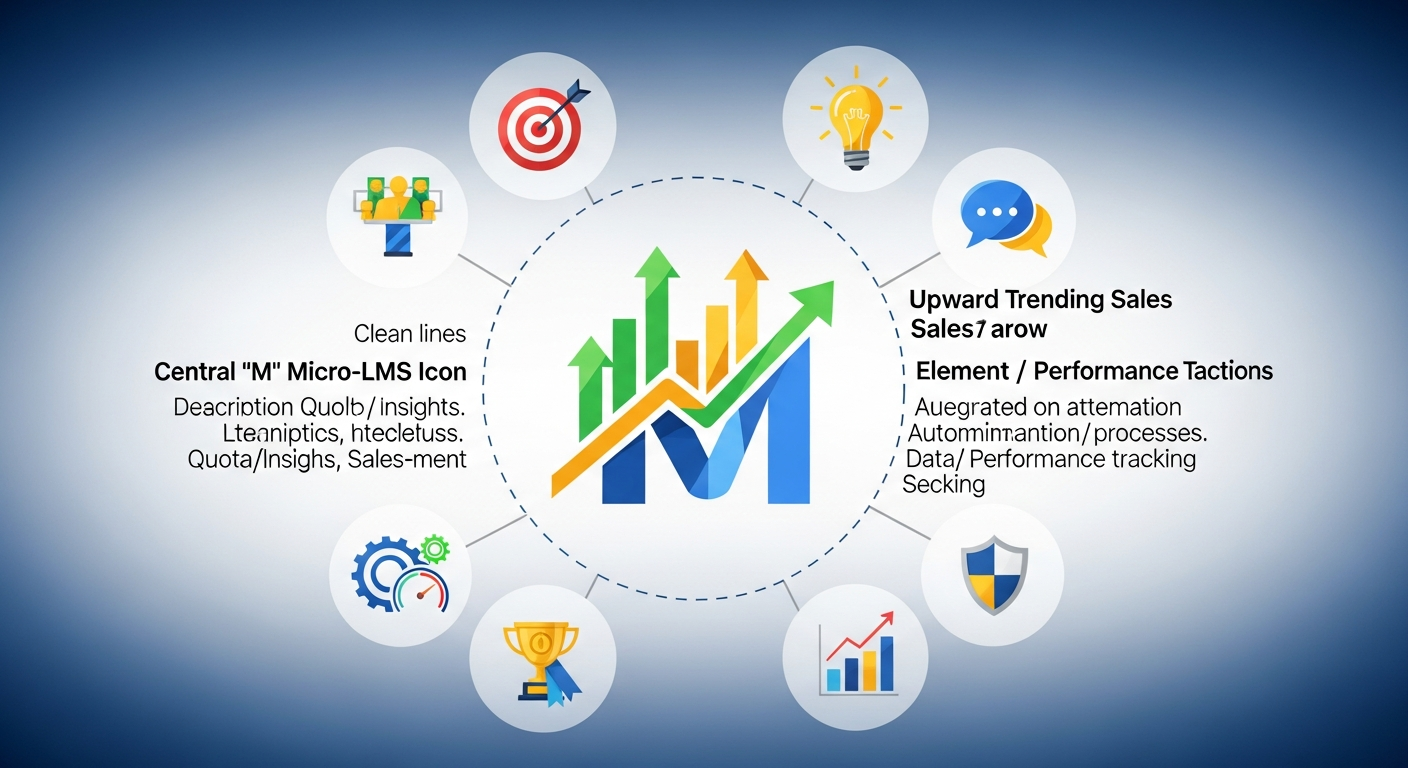
A specialized learning management system designed for agile, bite-sized content delivery isn't just a trend; it's a strategic imperative. It provides the precise, relevant information your sales force needs, exactly when they need it, leading to direct improvements in performance and, critically, quota attainment. Let's delve into 8 essential micro-LMS features that are non-negotiable for boosting your sales team’s success, applicable across diverse industries from Compliance and Banking to Pharma and Oil and Gas.
1. Bite-Sized Content Delivery
The cornerstone of any effective micro-learning platform is its ability to deliver information in short, digestible modules, typically 3-7 minutes long. Sales professionals are constantly on the go, juggling calls, meetings, and client follow-ups. They don't have hours to dedicate to training. A Microlearning LMS breaks down complex topics into easily consumable chunks, making learning less daunting and more achievable.
Many L&D leaders often wonder, "Why is short-form training more effective for sales professionals?" The answer lies in cognitive load and retention. Microlearning prevents information overload, allowing reps to quickly grasp key concepts and immediately apply them. This accelerates skill acquisition and ensures that critical product knowledge or sales techniques are absorbed and remembered, directly impacting their ability to close deals. Such an approach in a learning content management system significantly enhances overall sales productivity.
2. Personalized Learning Paths
Not all sales reps are the same; they have varying experience levels, product specializations, and skill gaps. An essential feature is the ability to create Adaptive Learning paths. This allows the learning management software to tailor content recommendations based on a rep's role, performance data, assessment results, and even their preferred learning style. Imagine a new hire receiving foundational product training while an experienced rep gets advanced negotiation tactics or updates on niche offerings within their learning management solutions.
A common query among L&D managers is, "How can a system identify and address individual sales skill gaps efficiently?" Through initial assessments, ongoing performance tracking, and even sophisticated analytics, a robust micro-LMS can pinpoint areas where a rep needs improvement and automatically assign relevant modules. This ensures targeted development and maximizes training ROI. This level of personalization ensures every rep receives the most impactful training for their specific needs, boosting confidence and effectiveness.
3. Interactive & Engaging Formats
Passive learning is ineffective for sales teams. To truly boost quota attainment, a learning management system must offer engaging, interactive content formats. This includes quizzes, simulations, branching scenarios, role-playing exercises, and interactive videos. Crucially, a Gamified LMS layer takes engagement to the next level with points, badges, leaderboards, and friendly competitions. This transforms learning from a chore into an exciting challenge.
L&D professionals often ask, "What kind of interactive elements truly motivate a sales team and drive knowledge retention?" Gamification, coupled with real-world scenarios, creates an immersive experience that simulates sales challenges. When reps can practice handling objections or pitching new products in a risk-free environment, their confidence grows, leading to better real-world performance and higher conversion rates. This makes the LMS learning management system a dynamic tool.
4. Robust Analytics & Reporting
Measuring the effectiveness of training is paramount. A top-tier learning management solution provides comprehensive analytics and reporting tools. This allows L&D and sales leaders to track completion rates, assessment scores, knowledge retention, time spent on modules, and even correlate training engagement with sales performance data. Detailed insights enable continuous optimization of the training program and showcase the value of your enterprise learning management efforts.
For those looking to quantify impact, a key question is, "What data points are crucial for proving the value of sales training to senior leadership?" Beyond completion rates, look for correlations between module engagement and sales KPIs like win rates, average deal size, time-to-close, and, of course, quota attainment. A learning management system that integrates with CRM data can provide a holistic view, showcasing a clear return on investment for your training initiatives.
5. Mobile-First Accessibility
Sales professionals are rarely chained to a desk. They're on the road, in client offices, or working remotely. A micro-LMS must be inherently mobile-first, offering seamless access to content from any device – smartphones, tablets, or laptops. This means responsive design, offline access capabilities, and an intuitive user experience tailored for mobile environments. A cloud based learning management system ensures this flexibility.
A frequently asked practical question is, "Can sales reps access critical product information instantly, even when they're not connected to Wi-Fi?" The answer is yes, with the right mobile-first learning management software. Offline access ensures that product specs, competitor comparisons, or sales scripts are always at their fingertips, enabling just-in-time learning and support during crucial client interactions, regardless of their geographical location or network availability.
6. Integrated Content Authoring
The ability to quickly create and update training content is vital, especially in dynamic sales environments. An integrated AI Powered Authoring Tool within the LMS empowers L&D teams to design and deploy new modules without external software or extensive technical expertise. This feature is particularly valuable when introducing new products, services, or sales methodologies, allowing for rapid response to market changes and acting as a powerful LCMS.
L&D departments often ponder, "How can we rapidly create new training modules for evolving products or compliance requirements without extensive development cycles?" An AI-powered authoring tool accelerates content creation by suggesting structures, generating initial drafts, or even converting existing materials into microlearning formats. This efficiency ensures your sales team is always armed with the latest, most relevant information, reducing time-to-market for new offerings and maintaining a competitive edge.
7. Just-in-Time Support & Resources
Effective sales training extends beyond formal modules. Sales reps often need immediate answers to customer questions or access to specific resources during a live conversation. A robust micro-LMS acts as a centralized knowledge hub, providing just-in-time support through searchable FAQs, product fact sheets, competitor battlecards, and objection-handling scripts, all easily accessible within a few clicks.
A common scenario leads to the question, "Where can sales representatives find quick, accurate answers to complex customer objections during a call, without interrupting the flow?" A well-organized learning content management system acts as an indispensable digital assistant. By integrating a comprehensive knowledge base, reps can pull up precise information on demand, boosting their credibility and ability to overcome hurdles in real-time, directly impacting conversion rates and improving their overall sales performance.
8. Performance & Compliance Tracking
In industries like Compliance, Banking, Finance, Insurance, Pharma, and Health Care, ensuring sales teams are not only skilled but also compliant with regulations is critical. A micro-LMS should offer robust tools for tracking mandatory training, certifications, and policy acknowledgments. This helps mitigate risk, maintain regulatory adherence, and demonstrates due diligence.
For multinational organizations, a pressing concern is, "How can we ensure our global sales force consistently adheres to varying compliance standards and risk protocols across different regions?" A sophisticated Risk-focused Training system within a cloud based learning management system can segment compliance modules by region or role, track completion, and generate audit-ready reports. This proactive approach to training not only protects the business but also ensures every sales interaction is conducted ethically and legally, preventing costly penalties and safeguarding reputation while driving responsible growth.
Transforming Sales Training with MaxLearn LMS
Investing in a cutting-edge lms learning management system with these essential features is no longer optional for L&D leaders aiming for sales excellence. It's a strategic move that directly impacts the bottom line. By embracing a modern learning management solution like MaxLearn LMS, your organization can empower its sales force with the agile, personalized, and engaging training they need to achieve and surpass their quotas.
These eight features collectively create a powerful ecosystem for continuous sales enablement. They ensure that every rep, regardless of experience or location, has the tools and knowledge to excel, leading to higher engagement, better performance, and ultimately, significant boosts in revenue. It's time to elevate your sales training and drive unprecedented success with the right learning management software.


Comments
Post a Comment