7 Best Practices for Launching a Microlearning Platform for Frontline Staff
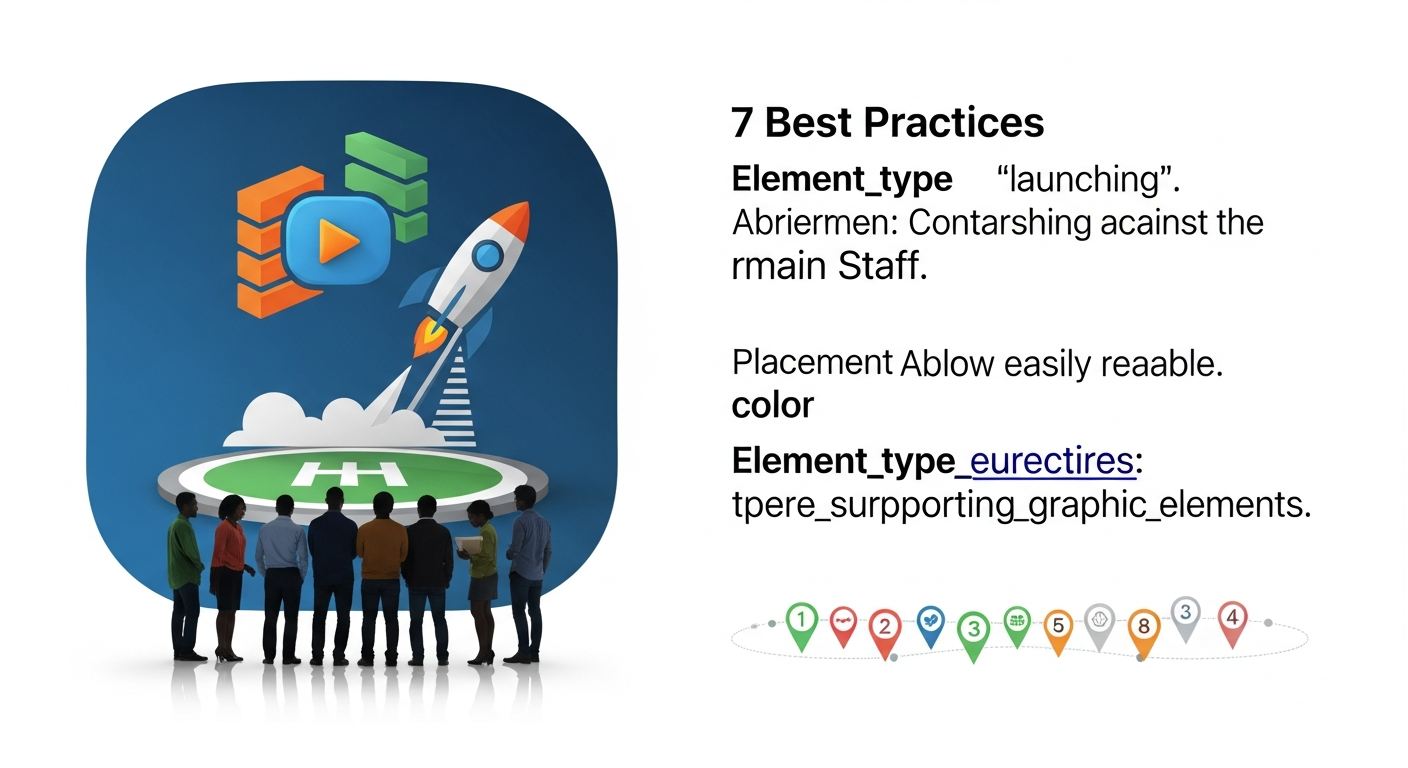
7 Best Practices for Launching a Microlearning Platform for Frontline Staff
In today's fast-paced business environment, equipping your frontline staff with the right skills, precisely when they need them, is paramount. From the retail floor to the healthcare ward, and from the financial branch to the oil rig, these essential employees are the face of your organization. Traditional, lengthy training sessions often fall short, struggling to fit into demanding schedules and failing to deliver information in a digestible format. This is where a Microlearning LMS emerges as a strategic imperative, offering bite-sized, on-demand learning that resonates with the modern workforce.
For L&D Vice Presidents, Directors, and Managers across industries like Compliance, Sales, Banking, Finance, Insurance, Retail, Pharma, Healthcare, Hospitality, Oil and Gas, and Mining, the challenge is clear: how to implement an effective microlearning strategy that genuinely impacts performance and compliance. Launching a new microlearning platform isn't just about deploying software; it's about transforming how your frontline staff learns and grows. Let's explore seven best practices to ensure a successful rollout and maximize your return on investment.
1. Deeply Understand Your Frontline Audience
Before selecting any learning management system, you must first understand the unique needs, challenges, and learning preferences of your frontline staff. Are they constantly on the go? Do they have limited access to desktops? What are their typical work shifts? Are they comfortable with technology? Conducting surveys, interviews, and focus groups can provide invaluable insights. For instance, a retail associate might need quick product knowledge refreshers, while a healthcare worker might require immediate access to compliance protocols or patient care procedures. Identifying these specific use cases will guide your content strategy and platform selection, ensuring the chosen learning management software truly serves their needs.
2. Design Bite-Sized, Actionable Content
The essence of microlearning lies in its brevity and focus. Each learning module should tackle a single learning objective, ideally consumable within 2-10 minutes. Think short videos, interactive quizzes, infographics, quick guides, or scenarios. Content must be highly relevant, practical, and directly applicable to their day-to-day tasks. Avoid jargon and keep the language clear and concise. This approach ensures maximum retention and minimizes cognitive overload, allowing your staff to acquire new skills or information without disrupting their workflow. A robust learning content management system (LCMS) integrated within your platform can help organize and deliver these diverse content formats effectively.
3. Leverage a Robust Microlearning LMS
The success of your microlearning initiative heavily depends on the capabilities of your chosen platform. A specialized Microlearning LMS is designed to deliver short, focused bursts of learning efficiently. Look for a cloud based learning management system that offers excellent mobile compatibility, intuitive user interfaces, and robust analytics. Mobile-first design is crucial for frontline staff who often rely on smartphones or tablets for their work. An effective enterprise learning management solution will not only deliver content but also track progress, identify skill gaps, and provide data-driven insights into learning effectiveness, making it a true lms learning management system for growth.
4. Incorporate Gamification and Engagement Strategies
To keep frontline staff motivated and engaged, integrate elements of gamification into your microlearning platform. Points, badges, leaderboards, and friendly competitions can transform routine training into an exciting experience. A Gamified LMS fosters a sense of achievement and encourages continuous learning. Consider integrating real-world rewards or recognition for top performers to further boost participation. Engagement is key to driving consistent platform usage and ensuring that knowledge sticks, especially for mandatory compliance training or sales enablement.
5. Personalize Learning Paths with Adaptive Learning
Frontline staff come with varying levels of experience and skill sets. A one-size-fits-all approach is inefficient. Implement Adaptive Learning technologies that tailor content delivery based on individual performance, pre-assessments, and job roles. If an employee masters a concept quickly, the system can advance them to more challenging material. Conversely, if they struggle, it can offer additional resources or remedial modules. This personalized approach respects individual learning paces and ensures that training is always relevant and maximally effective, optimizing resource allocation within your overall learning management solutions.
6. Utilize Advanced Authoring and Delivery Capabilities
Creating compelling microlearning content at scale can be challenging. An AI Powered Authoring Tool can significantly streamline this process, helping L&D teams develop high-quality, engaging content faster. These tools can assist with content generation, repurposing existing materials into microlearning modules, and even providing insights on content effectiveness. Furthermore, advanced delivery capabilities, such as intelligent recommendation engines, ensure that the right content reaches the right employee at the optimal time, enhancing the overall user experience and efficiency of your learning management software.
7. Focus on Measurable Outcomes and Continuous Improvement
The launch of your microlearning platform is just the beginning. Establish clear KPIs (Key Performance Indicators) to measure the impact of your training. Track completion rates, assessment scores, time to proficiency, and most importantly, observable behavioral changes and business outcomes. For example, in compliance-heavy industries, track incident rates or audit scores. For sales, monitor conversion rates or average deal size. Gather feedback regularly from your frontline staff to identify areas for improvement in both content and platform usability. This iterative process of measurement and refinement, including insights from Risk-focused Training data, ensures your microlearning initiative remains agile, relevant, and highly effective.
Intelligent Systems and Training: Your Questions Answered
How can intelligent systems improve training effectiveness across various geographical locations and diverse employee groups?
Smart learning platforms leverage data analytics and content localization features to deliver training that is not only culturally relevant but also accessible in multiple languages and formats. This ensures a consistent, high-quality learning experience for all frontline staff, regardless of their location or background. By understanding global learning patterns and preferences, these systems can optimize content delivery and engagement worldwide, fostering a unified skill base across diverse teams.
What advanced technologies can help tailor learning experiences for each frontline employee's unique role and skill gaps?
Advanced learning technologies utilize algorithms to analyze individual performance data, job role requirements, and existing skill inventories. Based on this analysis, the system dynamically recommends personalized learning paths, identifies specific areas for improvement, and offers targeted content. This adaptive approach ensures that each employee receives precisely the training they need, eliminating irrelevant modules and maximizing the impact of every learning minute, leading to faster skill acquisition and greater individual proficiency.
How do smart automation features contribute to a more efficient and scalable learning and development operation?
Automation within learning platforms can significantly reduce the administrative burden on L&D teams. Features like automated content curation, smart scheduling of reminders, and AI-driven assessment grading free up valuable time. Furthermore, these systems can automatically generate reports, identify trends, and even suggest content updates, allowing L&D professionals to focus on strategic initiatives rather than repetitive tasks. This efficiency translates into a highly scalable training operation, capable of supporting thousands of frontline staff without proportional increases in overhead, ensuring your MaxLearn LMS is always optimized.
Conclusion
Launching a microlearning platform for your frontline staff is a significant strategic move that promises to enhance efficiency, boost compliance, and improve overall performance across your organization. By adhering to these seven best practices – from deeply understanding your audience to leveraging cutting-edge LMS technology and continuously measuring outcomes – L&D leaders can ensure a successful implementation. The right learning management system empowers your frontline heroes with the knowledge they need, when they need it, driving success in every interaction and operation. Embrace the power of microlearning and watch your frontline thrive.


Comments
Post a Comment