What are the 3 Elements of the DDE Framework for Microlearning?
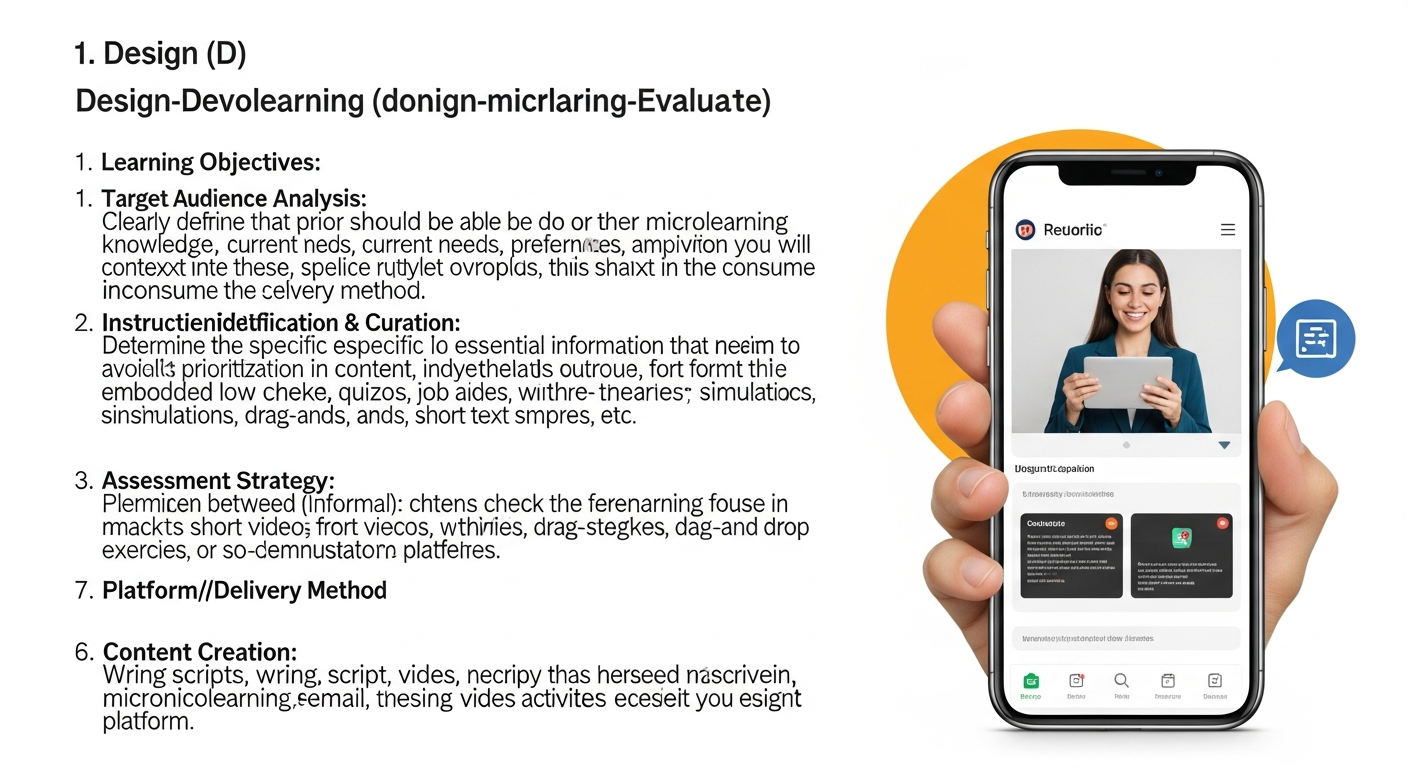
Unlocking Potential: The 3 Elements of the DDE Framework for Microlearning Success
In today's fast-paced corporate landscape, where information overload and shrinking attention spans are the norm, traditional long-form training often falls short. Vice Presidents, Directors, and Senior Managers in Learning & Development are constantly seeking agile, impactful, and scalable solutions to upskill their workforce. Enter microlearning – a powerful approach delivering bite-sized, focused content designed for immediate applicability. But how do you ensure your microlearning initiatives truly hit the mark?
The answer lies in a robust strategic approach, and one of the most effective is the DDE Framework: Discover, Design, and Engage. This methodology provides a structured pathway for L&D professionals to create highly effective microlearning experiences, ensuring that every minute of training counts. By understanding and meticulously applying these three elements, organizations can transform their learning content management system into a dynamic engine for growth and performance across diverse sectors like Compliance, Sales, Banking, Pharma, and beyond.
What is the DDE Framework for Microlearning?
The DDE Framework stands for Discover, Design, and Engage. It's not just a sequential process but a cyclical, iterative model that emphasizes continuous improvement and learner-centricity. For L&D leaders, adopting this framework means moving beyond simply delivering content to strategically crafting learning journeys that resonate, stick, and drive measurable business outcomes. It ensures that your enterprise learning management efforts are always aligned with strategic objectives, maximizing the return on your investment in any robust Microlearning LMS.
Let's delve into each critical element.
Element 1: Discover – Uncovering Learning Needs with Precision
The "Discover" phase is the bedrock of any successful microlearning strategy. It's where L&D teams meticulously identify the true performance gaps, business challenges, and skill requirements within the organization. This isn't about guessing; it's about data-driven insights.
Deep Dive into Discovery
- Performance Analysis: What specific areas are hindering individual or team performance? In Sales, this could be product knowledge gaps or objection handling. In Finance, it might be understanding new regulatory compliance changes.
- Audience Needs Assessment: Who are your learners? What are their roles, prior knowledge, preferred learning styles, and daily operational contexts? A frontline retail associate has different needs and time constraints than a senior manager in Oil & Gas.
- Strategic Alignment: How does the proposed training link directly to organizational goals? For example, new software implementation requires training that directly supports productivity and efficiency gains.
- Future Skill Identification: What skills will be critical for success in the coming months or years? Identifying these proactive needs prevents future performance bottlenecks.
In this phase, advanced analytics and even predictive capabilities can play a significant role. For instance, sophisticated learning management software can analyze existing performance data to highlight common errors or areas of struggle. For leaders pondering how to optimize their training strategies across geographically dispersed teams, a common query is: How can we pinpoint specific training needs across diverse global teams? The discovery phase, powered by data analytics from a modern LMS, provides the answers, allowing for highly targeted microlearning content.
This systematic approach ensures that the subsequent design efforts are focused on solving real problems, making every piece of microlearning highly relevant and impactful for sectors like Healthcare (e.g., new medical device protocols) or Hospitality (e.g., elevated customer service standards).
Element 2: Design – Crafting Impactful Microlearning Modules
Once you've precisely identified the learning needs, the "Design" phase focuses on creating compelling, effective microlearning content. This is where the magic of brevity, clarity, and actionability comes to life.
Principles of Effective Microlearning Design
- Focus on a Single Learning Objective: Each microlearning module should address one specific skill or piece of knowledge. No more, no less. This enhances retention and reduces cognitive load.
- Conciseness and Brevity: Content should be short – typically 3-7 minutes – and to the point. Utilize engaging formats like short videos, interactive quizzes, infographics, quick simulations, or decision-tree scenarios.
- Relevance and Context: Content must be immediately relevant to the learner's job role and context. For instance, AI Powered Authoring Tool can help tailor content for sales professionals based on specific product lines or customer segments.
- Actionability: Learners should be able to apply what they've learned almost immediately. Provide practical examples, checklists, or step-by-step guides.
- Variety in Modalities: Leverage different formats to keep learners engaged and cater to diverse learning preferences. A robust learning management system (lms learning management system) should support various media types.
Designing effective microlearning also heavily benefits from methodologies like Adaptive Learning. This approach ensures that the learning path adjusts based on individual learner performance and needs, delivering content that is neither too easy nor too difficult. A key question for L&D leaders seeking optimal personalization is: What's the best way to tailor learning experiences for individual learners at scale? The answer lies in intelligent design, leveraging AI and adaptive technologies to create a truly personalized journey for each employee, whether they're learning about new financial products or intricate pharmaceutical regulations.
Modern cloud based learning management system solutions often come equipped with powerful LCMS (learning content management system) features, enabling teams to rapidly create, manage, and deploy high-quality microlearning modules. This streamlining of the content creation process is crucial for maintaining pace with evolving industry demands and internal learning requirements.
Element 3: Engage – Sustaining Learner Motivation and Retention
The final, yet continuous, element of the DDE Framework is "Engage." It's not enough to simply design great content; you must ensure learners interact with it, are motivated to complete it, and retain the information long-term. Engagement is critical for maximizing the impact of your learning management solutions.
Maximizing Engagement and Measuring Impact
- Personalization and Timeliness: Deliver the right content at the right moment. Push relevant microlearning modules to employees just before they need to apply a new skill or knowledge. For example, Risk-focused Training can be delivered proactively based on emerging threats in Banking or Insurance.
- Gamification: Incorporate game-like elements such as points, badges, leaderboards, and challenges. A Gamified LMS significantly boosts motivation and completion rates, especially in competitive sales environments or for routine compliance training.
- Feedback and Reinforcement: Provide immediate feedback on performance and opportunities for spaced repetition to reinforce learning over time. This helps solidify knowledge retention.
- Social Learning: Foster communities of practice where learners can share insights, ask questions, and learn from peers. Discussion forums or quick Q&A sessions can enhance the microlearning experience.
- Analytics and Reporting: Continuously monitor learner progress, completion rates, and performance improvements. Use this data to refine future microlearning content and delivery strategies.
For L&D leaders managing extensive global operations, a pressing concern is: How can we ensure our training programs consistently resonate with a global workforce and drive measurable business outcomes? The engagement phase, supported by a sophisticated learning management system like MaxLearn LMS, provides the tools to track, personalize, and motivate learners worldwide. By leveraging a robust LMS, organizations can deploy microlearning that is culturally sensitive, accessible, and consistently engaging, leading to tangible improvements in areas like safety in Mining or customer satisfaction in Hospitality.
The DDE Framework in Action: A Holistic Approach
The true power of the DDE Framework lies in its holistic and iterative nature. The insights gained from engaging learners and analyzing their performance in the "Engage" phase feed directly back into the "Discover" phase, enabling continuous improvement and refinement of your microlearning strategy. This cycle ensures that your learning management solutions remain agile, relevant, and highly effective.
By systematically applying Discover, Design, and Engage, L&D leaders can build a powerful learning ecosystem that supports continuous growth, mitigates risk, and drives innovation across all segments and industries. A comprehensive solution, such as MaxLearn LMS, offers the integrated capabilities needed to implement the DDE Framework seamlessly – from powerful analytics for discovery to intuitive authoring tools for design and engaging features for motivation. It’s more than just an LMS; it’s a strategic partner for elevating your corporate learning initiatives.
Embracing the DDE Framework allows L&D departments to move from being cost centers to strategic value drivers, directly contributing to business success through a highly skilled, adaptive, and engaged workforce.


Comments
Post a Comment