How to Design Gamified Microlearning Using Blueprint, Mechanics, and Interface
Mastering Engagement: How to Design Gamified Microlearning with Blueprint, Mechanics, and Interface
In today's fast-paced corporate environment, the demand for effective and engaging employee training is paramount. Learning & Development (L&D) leaders – from Vice Presidents to Managers – are constantly seeking innovative strategies to boost knowledge retention, skill acquisition, and overall performance. Traditional training methods often fall short in capturing and sustaining learner attention, especially in critical areas like compliance, sales, banking, finance, insurance, retail, pharma, healthcare, hospitality, oil and gas, and mining.
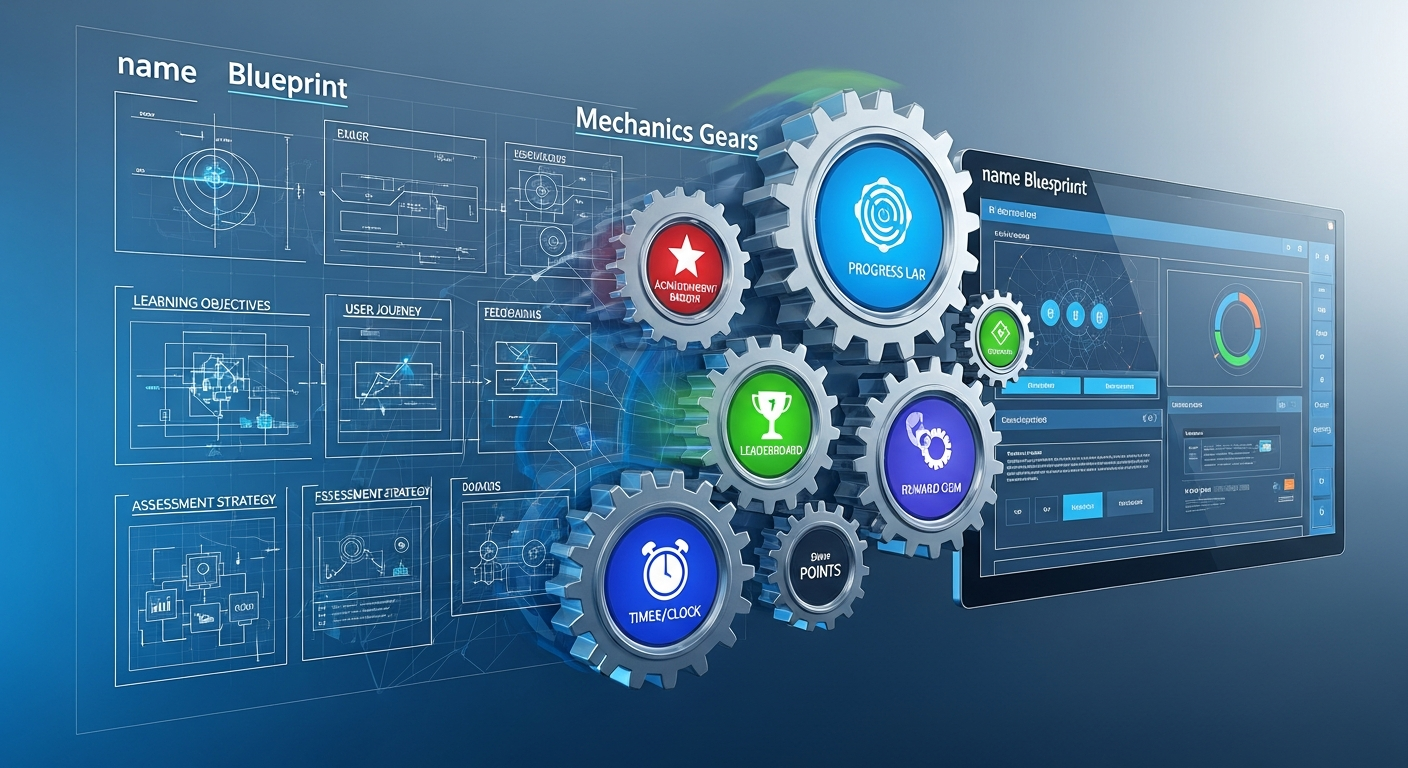
Enter gamified microlearning: a powerful fusion of bite-sized content delivery and engaging game-like elements. This approach doesn't just make learning fun; it leverages fundamental human psychology to drive motivation, foster competition, and provide immediate feedback. Designing such a system requires a strategic approach, focusing on three core pillars: the Blueprint, the Mechanics, and the Interface. Let's delve into how L&D professionals can construct a truly impactful gamified microlearning experience.
The Strategic Blueprint: Laying the Foundation for Learning Success
Every successful gamified microlearning initiative begins with a clear, well-defined blueprint. This foundational stage is where L&D leadership aligns the learning solution with broader organizational objectives, ensuring that every interactive module contributes to measurable business outcomes.
Strategic Alignment and Learning Objectives
Before any game elements are considered, it's crucial to identify the "why." What specific problem is this training solving? Is it reducing compliance violations, improving sales conversion rates, enhancing customer service skills, or mitigating risks in a high-stakes industry? Define clear, measurable learning objectives for each micro-module. These objectives will dictate the content and the type of gamification needed.
- Identify target audience needs and their existing knowledge gaps.
- Align training goals with departmental and organizational KPIs.
- Break down complex topics into digestible, self-contained learning units.
By establishing precise goals, L&D teams can design targeted content that resonates. For instance, a sales team might need to master product features, while a healthcare professional requires updates on new protocols. A robust Microlearning LMS can help organize and deliver these diverse content streams effectively.
Content Strategy and Structure
Microlearning thrives on conciseness. Content must be distilled to its core essence, focusing on one or two key concepts per module. The blueprint defines how this content is structured, sequenced, and delivered. This includes deciding on the format (short videos, interactive quizzes, infographics, simulations) and the ideal length for each piece. The goal is to avoid cognitive overload and facilitate quick learning bursts.
A common question arises: "How can data-driven insights from learning platforms inform the optimal structure for microlearning pathways and content segmentation?" The answer lies in analytics. Advanced learning management software can track learner performance, engagement patterns, and completion rates, providing crucial data. This information allows designers to refine content chunks, optimize sequencing, and identify areas where learners struggle, ensuring continuous improvement of the learning content management system.
The Engaging Mechanics: Driving Motivation and Interaction
Once the blueprint is solid, the mechanics bring the gamified microlearning experience to life. These are the game elements that motivate learners, track progress, and provide a sense of achievement and challenge.
Core Game Elements and Feedback Loops
Effective gamification is more than just points and badges; it's about applying game design principles to non-game contexts. Key mechanics include:
- Points: Awarded for completing modules, answering questions correctly, or demonstrating mastery.
- Badges/Achievements: Digital accolades for reaching milestones, mastering skills, or completing specific learning paths.
- Leaderboards: Foster healthy competition and allow learners to see their progress relative to peers. These can be global or team-specific.
- Levels/Progress Bars: Visually represent a learner's journey through the content, providing a sense of advancement.
- Challenges & Quests: Task-based activities that require learners to apply knowledge in real-world scenarios or problem-solving contexts.
Immediate and constructive feedback is a cornerstone of effective gamification. Learners need to know if they are correct, why they are wrong, and how to improve. This instant gratification and guidance reinforce learning and encourage persistence.
Narrative, Storytelling, and Personalization
A compelling narrative can transform mundane training into an epic quest. By weaving a story around the learning objectives, L&D teams can create a more immersive and memorable experience. For example, a compliance training might become a mission to protect the company's integrity, with each module representing a crucial step.
Furthermore, personalization enhances engagement. "What role can advanced algorithms play in personalizing learning paths and dynamic challenge generation based on individual performance?" With an Adaptive Learning system, algorithms can analyze a learner's progress, strengths, and weaknesses to tailor the learning journey. This means delivering content and challenges that are precisely at the right level of difficulty, maximizing engagement and efficiency. An AI Powered Authoring Tool can be invaluable in creating these dynamic and personalized content variations.
The Intuitive Interface: Enhancing User Experience and Accessibility
The interface is the learner's gateway to the gamified microlearning experience. An intuitive, visually appealing, and accessible interface is critical for user adoption and sustained engagement. It’s not just about aesthetics; it’s about functionality and ease of use.
Design Principles for Engagement
A well-designed interface makes learning effortless and enjoyable. Key considerations include:
- Clarity and Simplicity: Clean layouts, minimal clutter, and straightforward navigation reduce cognitive load.
- Visual Appeal: Engaging graphics, animations, and consistent branding create an attractive and professional look.
- Mobile Responsiveness: Given the nature of microlearning, the interface must perform flawlessly across all devices – desktops, tablets, and smartphones. This ensures learners can access content anytime, anywhere.
- Accessibility: Designing for all users, including those with disabilities, is not just good practice but often a regulatory requirement. This means considering elements like screen reader compatibility, keyboard navigation, and clear contrast.
The user experience should feel seamless, not like a chore. For a Gamified LMS, the interface needs to clearly display progress, achievements, and leaderboard positions without overwhelming the learner.
Ensuring Consistent Experience Across Geographies and Devices
A critical challenge for global organizations is maintaining consistency. "How do sophisticated learning systems ensure consistent and accessible user experiences across diverse geographical locations and device types?" Modern enterprise learning management solutions, especially Microlearning LMS platforms, address this through cloud-based learning management system architecture. A cloud based learning management system ensures that the learning management system is accessible globally with consistent performance, adapting to different bandwidths and screen sizes. A robust LCMS (Learning Content Management System) within the learning management software allows for centralized content management while enabling localized delivery.
Implementing Your Gamified Microlearning Strategy
Bringing these three pillars together requires a powerful underlying platform. A comprehensive learning management solutions provider like MaxLearn LMS offers the tools necessary to design, deploy, and manage your gamified microlearning initiatives. From creating engaging content with an AI Powered Authoring Tool to tracking learner progress and delivering targeted Risk-focused Training, a modern Microlearning LMS is indispensable.
Whether you're an L&D Director revamping your entire training portfolio or a Manager looking to inject new life into existing programs, focusing on the Blueprint, Mechanics, and Interface will set your gamified microlearning strategy up for success. By leveraging a powerful Microlearning LMS, you can ensure your organization benefits from higher engagement, better retention, and ultimately, a more skilled and productive workforce.
In conclusion, gamified microlearning is more than just a trend; it's a strategic imperative for L&D leaders. By meticulously crafting the blueprint, implementing compelling mechanics, and designing an intuitive interface, you can transform corporate training from a mandatory task into an eagerly anticipated journey. Embrace this approach, and watch your employees not only learn but thrive.


Comments
Post a Comment