Sustainable Corporate Upskilling: Why Long-Form E-Learning is Becoming Obsolete
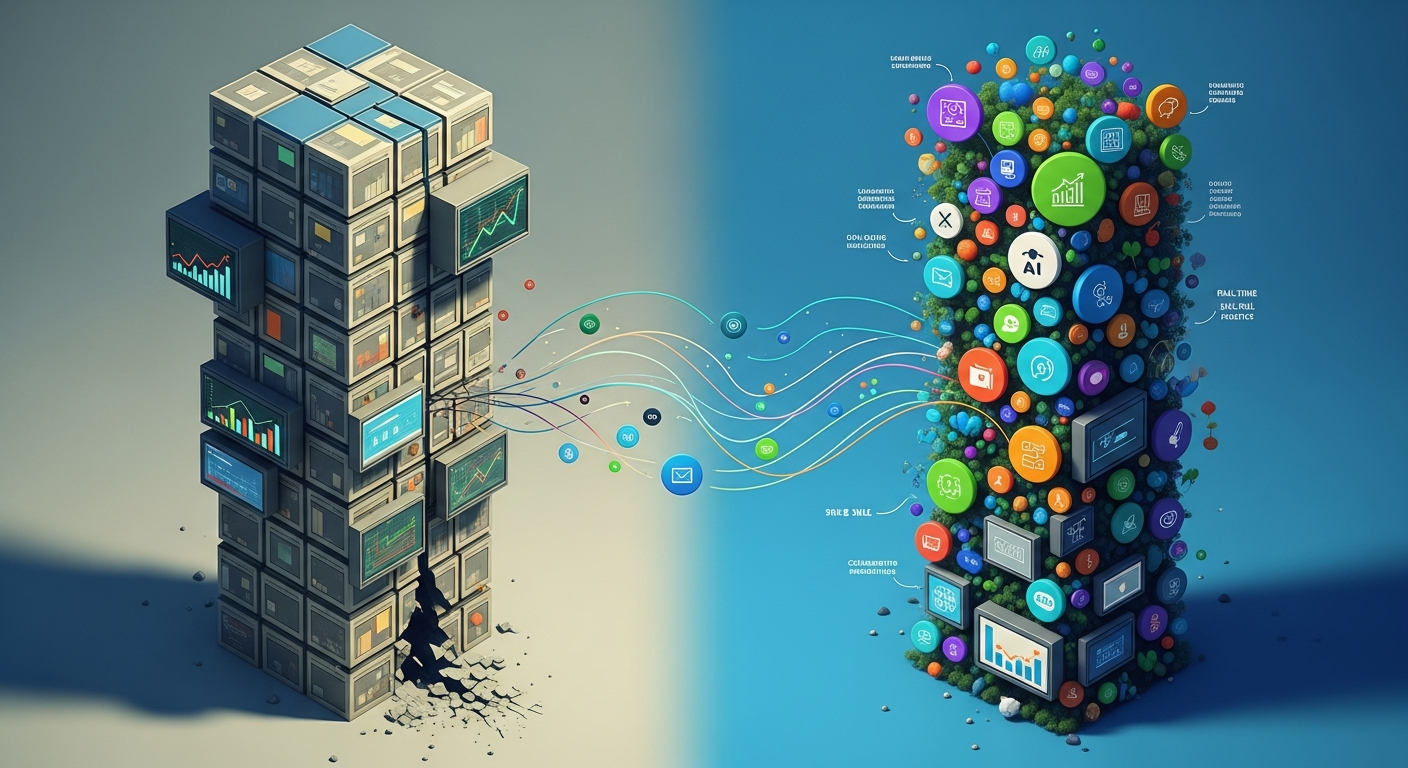
Sustainable Corporate Upskilling: Why Long-Form E-Learning is Becoming Obsolete
The corporate landscape is in constant flux, driven by technological advancements, evolving market demands, and a globalized workforce. For Learning & Development (L&D) leaders – Vice Presidents, Directors, and Senior Managers across industries like Compliance, Sales, Banking, Finance, Insurance, Retail, Pharma, Healthcare, Hospitality, Oil and Gas, and Mining – the challenge of maintaining a highly skilled and adaptive workforce is paramount. Historically, long-form e-learning modules, often hours in length, were the go-to solution for corporate upskilling. However, in today's fast-paced environment, this traditional approach is increasingly proving to be inefficient, unsustainable, and, quite frankly, obsolete.
The digital age demands agility, immediate applicability, and a learning experience that respects the most valuable commodity: time. As a result, L&D professionals are rapidly pivoting towards more dynamic and flexible learning methodologies that truly resonate with modern learners and deliver measurable impact.
The Cracks in the Long-Form E-Learning Foundation
While comprehensive, long-form e-learning was once considered a robust solution, its inherent limitations are now glaringly apparent:
- Information Overload and The Forgetting Curve: Bombarding learners with hours of content often leads to cognitive overload. Studies consistently show that retention plummets shortly after a learning event, especially when information is presented in large, undigestible chunks.
- Time Constraint Challenges: Employees are already juggling demanding schedules. Dedicating several uninterrupted hours to a single e-learning module is a luxury few can afford, leading to procrastination, incomplete courses, and frustration.
- Lack of Engagement: Monolithic e-learning experiences often lack interactivity and personalization, resulting in passive consumption rather than active learning. This disengagement contributes to poor completion rates and minimal knowledge application.
- Slow Updates and Irrelevance: Creating and updating long-form content is time-consuming and expensive. By the time a module is deployed, the information, especially in rapidly changing fields like technology or compliance, may already be outdated.
Embracing the Agile Learning Revolution
In response to these challenges, a new paradigm of learning is emerging, characterized by brevity, relevance, and learner-centric design. This shift is powered by modern Microlearning LMS platforms that offer a more sustainable and effective approach to corporate upskilling.
Key Benefits of Agile Learning for Sustainable Upskilling
Modern learning methodologies, often delivered through a robust learning content management system, are designed to meet the demands of the contemporary workforce:
- Increased Engagement & Retention: By breaking down complex topics into bite-sized, focused modules, learners can absorb information more effectively. Incorporating elements like those found in a Gamified LMS dramatically boosts motivation, competition, and overall engagement, combating the forgetting curve with regular, reinforcing interactions.
- Personalization & Adaptability: One-size-fits-all learning is a relic of the past. Modern learning management software can leverage data to offer personalized learning paths. Adaptive Learning tailors content to individual learner needs, skill gaps, and progress, ensuring relevance and maximizing efficiency.
- Efficiency & Cost-Effectiveness: Creating, deploying, and updating shorter modules is significantly faster and less expensive. This agility allows organizations to respond quickly to new training needs, compliance changes, or market shifts, making the entire `lms learning management system` more cost-effective.
- Real-time Application & Performance Support: Agile learning, particularly microlearning, is ideal for just-in-time learning. Employees can quickly access specific information exactly when they need it to solve a problem or perform a task, turning learning into immediate performance support.
Leveraging Advanced Technology for Next-Gen Upskilling
The true power of modern corporate upskilling lies in the intelligent application of technology. An advanced learning management system integrates cutting-edge tools to streamline and enhance the learning experience.
Intelligent Content Creation and Delivery
Artificial intelligence is revolutionizing how learning content is developed and distributed. An AI Powered Authoring Tool can dramatically speed up content creation, helping L&D teams transform raw information into engaging, interactive microlearning modules. This not only saves time and resources but also ensures consistency and quality across all learning assets within the learning management solutions.
Smart Training for Critical Areas
For industries with high stakes, such as Banking, Finance, Pharma, and Healthcare, Risk-focused Training is non-negotiable. Modern platforms use AI to identify key risk areas, track learner comprehension, and even simulate real-world scenarios, providing a targeted and effective approach to compliance and ethical training. This ensures that critical knowledge is not just learned but deeply understood and applied.
Addressing Common Organizational Learning Concerns
L&D leaders often grapple with practical questions about transitioning to modern learning methodologies. Here's a look at common inquiries:
How can we ensure our workforce is continually upskilled without disrupting their daily operations?
The key lies in integrating learning seamlessly into the flow of work. By adopting a microlearning approach through a flexible cloud based learning management system, employees can access relevant content in short bursts – during commutes, between meetings, or as immediate performance support. This "little and often" strategy makes learning an ongoing, non-disruptive part of their professional development, supported by an intuitive enterprise learning management system that fits into their workflow.
What's the most effective way to deliver critical compliance and risk-focused training across diverse global teams?
For global teams, consistency, localization, and accessibility are paramount. A modern LCMS can deliver risk-focused microlearning modules that are easily translatable and adaptable to local regulations and cultural nuances. The bite-sized format, combined with adaptive learning features, ensures that essential information is absorbed effectively, regardless of geographical location or native language. The ability to track completion and comprehension across diverse regions provides L&D leaders with invaluable oversight and accountability.
How can advanced technology enhance our learning management system to meet future business demands?
The future of corporate learning is undeniably technological. An advanced MaxLearn LMS leverages AI for personalized content recommendations, predictive analytics to identify skill gaps before they become critical, and automation to streamline administrative tasks. This ensures the learning management system is not just a repository of courses but an intelligent, proactive partner in talent development, continuously adapting to business needs and technological shifts.
Implementing a Modern Learning Management System
The transition away from obsolete long-form e-learning requires a strategic approach to selecting and deploying the right learning technology. When evaluating `learning management solutions`, consider a `cloud based learning management system` that offers flexibility, scalability, and robust features. Look for an `enterprise learning management` platform that integrates effortlessly with your existing HR systems and provides comprehensive analytics to track learning impact. A powerful `LCMS` will be the backbone of your sustainable upskilling strategy, enabling you to create, manage, and deliver highly effective microlearning experiences.
Conclusion
The era of long-form e-learning is drawing to a close. For L&D Vice Presidents, Directors, and Managers, the path to sustainable corporate upskilling lies in embracing agile, learner-centric methodologies powered by advanced technology. By shifting focus to microlearning, gamification, adaptive learning, and AI-driven tools, organizations can foster a culture of continuous learning that is engaging, efficient, and directly contributes to business growth and resilience. It's time to retire the outdated models and usher in a new age of intelligent, impactful learning. Invest in a modern LMS that empowers your workforce for tomorrow's challenges, today.


Comments
Post a Comment