How Does the DDE Framework Reduce Training Risk for Employees?
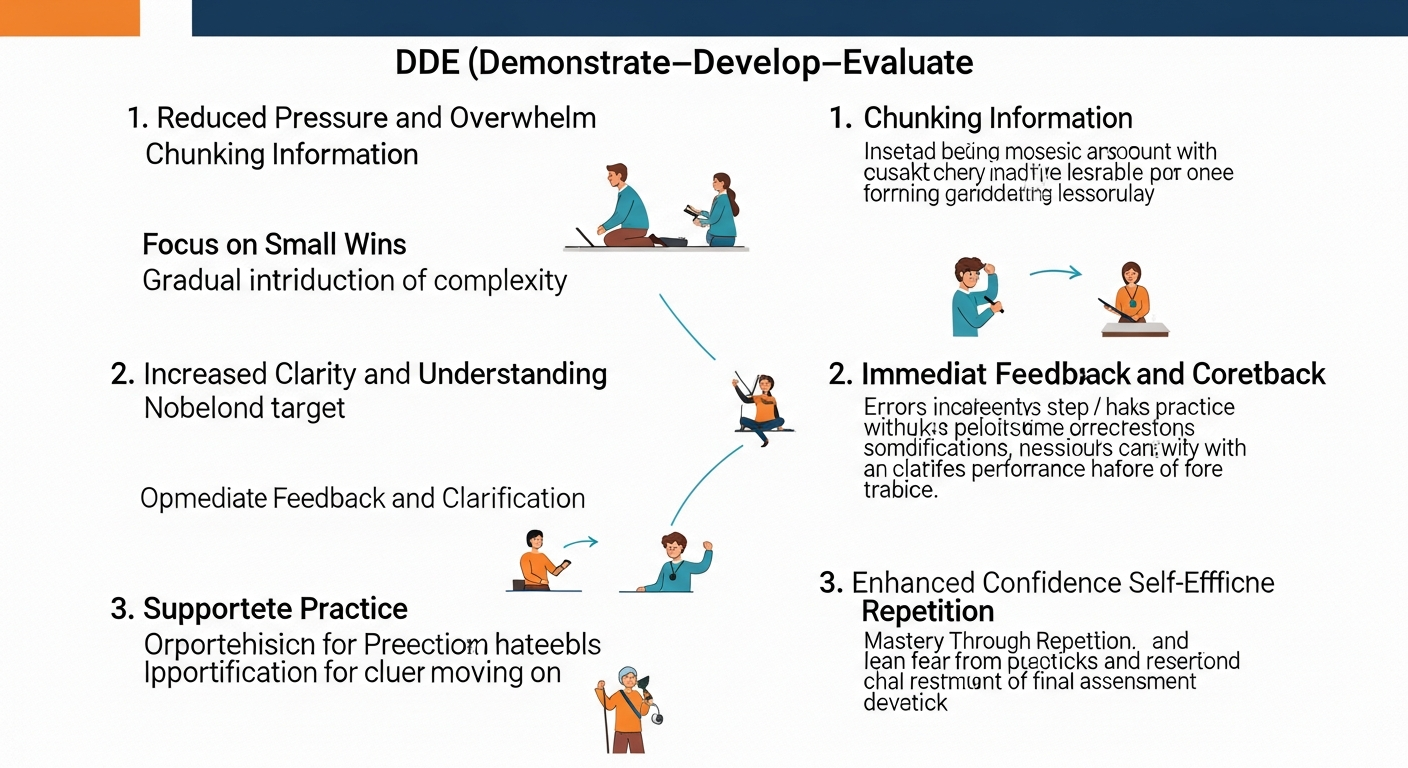
How the DDE Framework Dramatically Reduces Training Risk for Employees
For L&D leaders navigating the complexities of modern enterprise, employee training is a critical investment, yet it often comes with inherent risks. Ineffective training can lead to compliance breaches, skill gaps, low productivity, and ultimately, significant financial repercussions. Imagine the ripple effect of inadequate cybersecurity training in a financial institution, or insufficient product knowledge for a global sales force. The stakes are incredibly high.
This is where the Define, Design, Evaluate (DDE) Framework emerges as a strategic imperative. More than just a methodology, DDE is a systematic approach to identifying, mitigating, and continuously optimizing training programs to significantly reduce associated risks. It offers a robust blueprint for L&D Vice Presidents, Directors, and Senior Managers to transform their training initiatives from reactive measures into proactive, Risk-focused Training programs that drive tangible business value.
Understanding the DDE Framework: A Blueprint for Risk Mitigation
The DDE Framework comprises three interconnected phases, each designed to systematically address and minimize training-related risks:
- Define: Precisely identifying the problem and its potential risks.
- Design: Crafting targeted, effective, and engaging solutions.
- Evaluate: Measuring impact, iterating, and ensuring continuous improvement.
Define: Pinpointing the Risks with Precision
The "Define" phase is the bedrock of risk reduction. It moves beyond generic training needs assessments to deep-dive into specific organizational challenges, regulatory mandates, and performance gaps that pose potential threats. This phase demands clarity and data-driven insights to truly understand what needs to be addressed and why.
Consider a multinational pharmaceutical company facing new data privacy regulations across various markets. A critical question arises: "How can we identify specific compliance gaps across our global teams, ensuring every employee understands and adheres to localized data privacy laws?"
Answering this requires:
- Stakeholder Interviews: Engaging with legal, compliance, HR, and departmental heads to understand regulatory landscapes and operational impacts.
- Performance Data Analysis: Reviewing incident reports, audit findings, customer feedback, and productivity metrics to pinpoint current deficiencies.
- Audience Analysis: Understanding the existing knowledge levels, roles, and learning preferences of the target employee groups.
- Risk Assessment Matrix: Mapping identified gaps against potential severity and likelihood of occurrence to prioritize training needs.
By meticulously defining the problem, L&D leaders can transition from broad, often ineffective training to highly targeted interventions. This phase benefits immensely from a sophisticated Microlearning LMS that can track existing knowledge, identify individual weaknesses, and segment audiences for precision-based learning.
Design: Crafting Impactful and Engaging Solutions
Once risks are clearly defined, the "Design" phase focuses on creating learning experiences that are not only effective in mitigating those risks but also engaging enough to ensure adoption and retention. This is where innovation in learning content management system technologies truly shines.
Imagine a large retail chain looking to roll out new POS systems and customer service protocols across thousands of stores. A key challenge is: "What's the most effective way to personalize learning paths for hundreds of employees in a fast-paced retail environment, ensuring consistent skill acquisition and minimal disruption to operations?"
Effective design integrates principles such as:
- Microlearning: Breaking down complex topics into bite-sized, digestible modules, perfect for busy employees. This approach, often facilitated by a robust Microlearning LMS, enhances retention and allows for on-demand access, reducing the risk of information overload.
- Adaptive Learning: Utilizing algorithms to tailor content and pace based on an individual learner's performance and needs. This ensures that training is neither too easy nor too difficult, maximizing engagement and efficiency. A modern Adaptive Learning system is crucial here.
- Gamification: Incorporating game-like elements such as points, badges, leaderboards, and challenges to boost motivation and engagement. A Gamified LMS can transform mandatory compliance training into an enjoyable and competitive experience, leading to higher completion rates and better knowledge application.
- Real-world Scenarios & Simulations: Providing practical application opportunities that mimic real-life situations, allowing employees to practice skills in a safe environment and understand the consequences of their actions.
- AI-Powered Content Creation: Leveraging an AI Powered Authoring Tool to rapidly develop and update content, ensuring training remains current with evolving risks and regulations without extensive manual effort. This significantly reduces the risk of outdated or irrelevant training materials.
The proper choice of a learning management software (LMS) or enterprise learning management system in this phase is paramount. A comprehensive learning management solutions platform like MaxLearn LMS provides the tools to design, deliver, and manage these sophisticated learning experiences effectively, minimizing content creation bottlenecks and deployment challenges.
Evaluate: Measuring Success and Mitigating Future Risks
The "Evaluate" phase closes the loop, providing vital insights into the effectiveness of the training and its impact on reducing identified risks. This isn't just about completion rates; it's about measurable outcomes and continuous improvement.
Consider a banking institution implementing new anti-money laundering (AML) protocols. A critical evaluation question would be: "How can we precisely quantify the ROI of our compliance training programs across all global branches, demonstrating a measurable reduction in regulatory incidents and financial penalties?"
Key evaluation strategies include:
- Performance Metrics: Tracking key performance indicators (KPIs) directly related to the training objectives, such as a decrease in audit findings, reduction in error rates, or improvement in customer satisfaction scores.
- Pre and Post-Assessments: Measuring knowledge gain and skill improvement before and after training.
- Feedback Mechanisms: Gathering qualitative data through surveys, interviews, and focus groups to gauge learner satisfaction and perceived effectiveness.
- Long-term Impact Analysis: Observing behavioral changes and the sustained application of learned skills in the workplace over time.
- Advanced Analytics: Utilizing the robust reporting capabilities of a modern LMS or lms learning management system to uncover patterns, identify areas for improvement, and forecast potential future risks. A cloud based learning management system often provides superior analytical tools.
This phase demands an LMS with powerful analytics and reporting features. The insights gained from this evaluation directly inform the next "Define" phase, ensuring a continuous cycle of improvement and proactive risk management. An LCMS (Learning Content Management System) integrated within a comprehensive learning management system is essential for managing and updating content based on these evaluation findings.
Key Benefits of the DDE Framework in Risk Reduction
Implementing the DDE Framework offers multifaceted advantages for organizations across all industries:
- Reduced Compliance Breaches: By precisely defining regulatory requirements and designing targeted training, the framework minimizes the risk of non-compliance and associated legal penalties.
- Improved Performance and Productivity: Well-defined and effectively designed training directly translates to enhanced employee skills, leading to fewer errors and higher output.
- Enhanced Employee Engagement and Retention: Engaging and relevant training fosters a culture of continuous learning, boosting morale and reducing turnover.
- Optimized Resource Allocation: By focusing on genuine needs, the DDE Framework prevents wasted resources on irrelevant or ineffective training programs.
- Future-Proofing Training Initiatives: The continuous evaluation and iteration cycle ensures that training programs remain agile, adapting to evolving business needs and emerging risks.
The Role of Modern Learning Technology in DDE
The DDE Framework's true potential is unlocked when powered by advanced learning management solutions. A sophisticated LMS like MaxLearn LMS acts as the central nervous system, enabling seamless execution across all phases.
- In the Define phase, a robust learning management system facilitates data collection, gap analysis, and audience segmentation.
- During the Design phase, features like Microlearning LMS capabilities, a Gamified LMS, and Adaptive Learning engines ensure content is engaging, personalized, and efficient. An AI Powered Authoring Tool further streamlines content creation and updates.
- In the Evaluate phase, powerful analytics and reporting tools within the learning management software provide the insights needed for continuous improvement and demonstrating ROI.
For organizations in compliance, sales, banking, finance, insurance, retail, pharma, healthcare, hospitality, oil and gas, or mining, adopting a comprehensive and cloud based learning management system that supports the DDE Framework is no longer a luxury, but a necessity for strategic Risk-focused Training and sustainable growth.
Conclusion
The DDE Framework offers L&D leaders a powerful, structured methodology to significantly reduce training risk, optimize investment, and ensure their workforce is not only compliant but also highly competent and engaged. By systematically defining challenges, designing impactful solutions, and rigorously evaluating outcomes, organizations can transform their training departments into strategic assets that mitigate risks and drive sustained business success. Embrace the DDE Framework, powered by cutting-edge learning management solutions, and steer your organization towards a future of empowered employees and minimized risk.


Comments
Post a Comment