How AI-Driven Personalization is Disrupting the Standard Onboarding Model
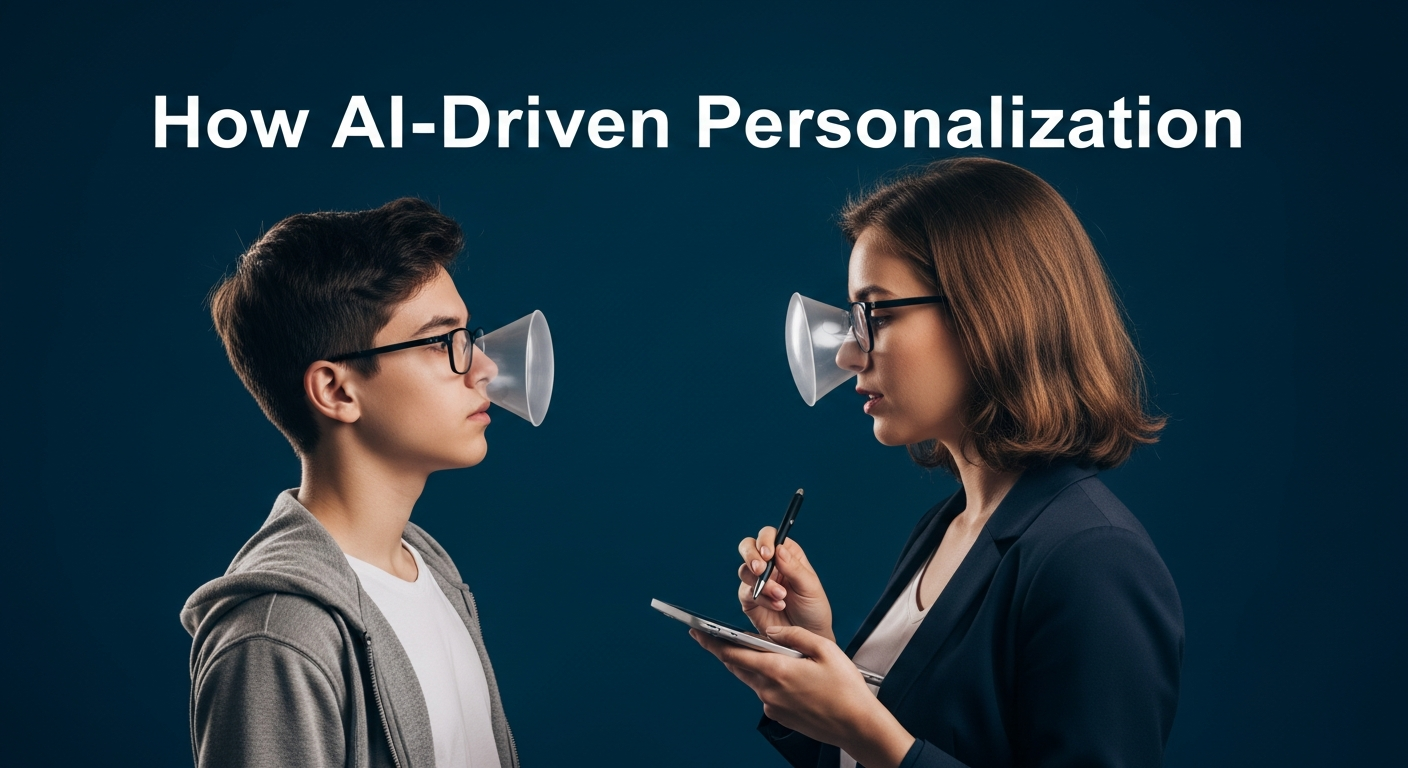
How AI-Driven Personalization is Disrupting the Standard Onboarding Model
In today’s rapidly evolving corporate landscape, the initial experience of a new hire sets the tone for their entire journey with an organization. For Vice Presidents, Directors, and Senior Managers in L&D across diverse industries—from Banking and Pharma to Retail and Hospitality—the challenge of crafting an effective onboarding program is perpetual. Traditional onboarding models, often characterized by generic content and a one-size-fits-all approach, frequently fall short, leading to disengagement, prolonged ramp-up times, and regrettable turnover. But what if onboarding could be as unique as each individual joining your team? Enter AI-driven personalization, a transformative force revolutionizing how organizations welcome and integrate new talent, disrupting the standard onboarding model as we know it.
The Inadequacies of Traditional Onboarding
Historically, onboarding has been a compliance checklist, a series of forms, and a deluge of information that often overwhelms rather than empowers. This approach, while foundational, overlooks the individual learning styles, prior experiences, and specific job roles of new employees. The consequences are significant:
- Low Engagement: Generic content fails to resonate, leading to boredom and disinterest.
- Inefficient Knowledge Transfer: New hires spend more time sifting through irrelevant material than absorbing critical information.
- Delayed Proficiency: A lack of tailored support prolongs the time it takes for employees to become fully productive.
- High Turnover: A poor initial experience can be a primary factor in early employee attrition, a costly outcome for any enterprise.
These challenges are particularly acute in industries like Finance and Health Care, where regulatory compliance is paramount, or in Sales and Oil and Gas, where specific technical knowledge and safety protocols are critical from day one. An effective LMS is crucial, but its full potential is unlocked with intelligent design.
AI-Driven Personalization: The Game Changer
Artificial Intelligence is not just a buzzword; it's a powerful tool transforming the learning and development sphere. By leveraging vast amounts of data—employee profiles, performance metrics, learning preferences, and job role requirements—AI can curate and deliver onboarding experiences that are truly unique to each individual. This shift moves beyond mere customization to genuine personalization, where the system adapts dynamically to the learner.
How Advanced Algorithms Reshape Onboarding:
- Dynamic Learning Path Generation: Instead of a fixed curriculum, AI algorithms analyze a new hire's background, role, and existing knowledge to create a bespoke learning journey. This could mean a seasoned professional in Pharma might skip introductory modules, while a fresh graduate in Banking receives more foundational content. This is the essence of Adaptive Learning.
- Intelligent Content Curation and Delivery: AI can recommend specific articles, videos, and interactive simulations at precisely the right time, preventing information overload. A robust learning content management system powered by AI ensures that only the most relevant materials are presented, enhancing focus and retention.
- Real-time Feedback and Support: AI-powered chatbots or virtual assistants can answer common questions instantly, provide immediate feedback on quizzes, and guide learners through complex tasks, offering support 24/7.
- Predictive Analytics for Retention: By analyzing engagement levels and progress, AI can flag new hires who might be struggling or disengaging, allowing L&D teams to intervene proactively. This foresight is invaluable for industries like Retail and Hospitality, where high seasonal turnover is common.
- Scalability and Consistency: AI-driven onboarding scales effortlessly, ensuring a consistent, high-quality experience for every new hire, whether you're onboarding ten people or ten thousand, across multiple global locations. A cloud based learning management system facilitates this global reach.
Benefits for L&D Leaders and Organizations
The implications of this disruption are profound for L&D professionals responsible for talent development and retention. An enterprise learning management solution integrated with AI delivers measurable improvements:
- Accelerated Time to Proficiency: Personalized paths mean new hires reach full productivity faster, directly impacting departmental and organizational goals.
- Enhanced Employee Engagement and Retention: When onboarding feels relevant and supportive, new employees are more likely to feel valued, engaged, and committed to their new role and company. This directly counters the challenges in sectors like Mining or Oil and Gas, where specialized roles require significant upfront investment.
- Reduced Training Costs: By optimizing content delivery and minimizing unnecessary training modules, organizations can achieve significant cost savings in development and delivery, especially when utilizing an AI Powered Authoring Tool.
- Improved Compliance and Risk-focused Training: In highly regulated sectors like Compliance, Banking, and Health Care, AI ensures that critical regulatory training is not just completed, but deeply understood and retained, reducing the likelihood of costly errors and penalties.
- Superior Employee Experience: A smooth, personalized onboarding experience contributes positively to employer branding and employee satisfaction from day one.
Answering Key Questions About AI in Onboarding
As L&D leaders consider integrating AI, several questions naturally arise. Let's address some common concerns:
Question: How does artificial intelligence truly tailor learning experiences?
Answer: Intelligent systems analyze a new hire's pre-onboarding data (resume, skills assessment, job role), real-time interactions with learning content (completion rates, quiz scores, time spent), and even emotional engagement indicators. It then dynamically adjusts the sequence, difficulty, and type of content. For instance, if an employee excels in a module, the system might present more advanced content or challenge-based scenarios, often utilizing a Gamified LMS for enhanced engagement. If they struggle, it can offer supplementary resources or break down complex topics into Microlearning LMS modules, ensuring optimal comprehension.
Question: What impact does intelligent automation have on employee retention rates globally?
Answer: The impact is substantial. By providing a highly relevant and supportive onboarding journey, intelligent automation fosters a stronger sense of belonging and competence. Employees who feel adequately prepared and engaged from the outset are less likely to leave. Global companies can leverage a central learning management system (LMS) with AI capabilities to ensure a consistent, high-quality experience across all regions, adapting to local nuances while maintaining global standards, thereby positively influencing retention rates across diverse cultures and economies.
Question: Can advanced algorithms genuinely improve compliance training effectiveness?
Answer: Absolutely. In sectors like Insurance, where compliance is non-negotiable, advanced algorithms can revolutionize training. Instead of static courses, AI can simulate real-world scenarios, adapt difficulty based on performance, and pinpoint areas where a new hire demonstrates knowledge gaps in critical regulations. This ensures that compliance training is not just about ticking boxes but about fostering genuine understanding and behavioral change, minimizing future risks. A modern learning management software with these capabilities can track and report on granular progress, offering unparalleled transparency and accountability.
Implementing an AI-Powered Onboarding Solution
For L&D departments considering this transformation, integrating a robust lms learning management system is the first step. Look for a comprehensive learning management solutions provider that offers AI capabilities. Key considerations include:
- Data Privacy and Security: Ensuring compliance with global data protection regulations (e.g., GDPR, CCPA).
- Integration with Existing Systems: Seamless connection with HRIS, performance management, and other enterprise tools.
- Scalability and Flexibility: A system that can grow with your organization and adapt to evolving needs, such as a modern LCMS.
- User-Friendly Interface: For both administrators and learners, a smooth user experience is paramount.
Providers like MaxLearn LMS exemplify platforms that are leading this charge, offering features designed to meet the sophisticated demands of today's L&D leaders.
Conclusion: The Future of Onboarding is Personalized
The era of standardized onboarding is drawing to a close. AI-driven personalization offers L&D leaders an unprecedented opportunity to transform new hire experiences from mundane to magnificent. By leveraging artificial intelligence, organizations can create highly engaging, efficient, and effective onboarding journeys that not only accelerate proficiency but also foster long-term employee loyalty and reduce operational costs. Embracing this disruption is no longer an option but a strategic imperative for any organization aiming to attract, develop, and retain top talent in a competitive global market. It’s time to rethink your onboarding strategy and harness the power of AI to build a stronger, more engaged workforce from day one.


Comments
Post a Comment