Enterprise LCMS Guide: Managing Complex Regulatory Training and Multi-Device Deployments
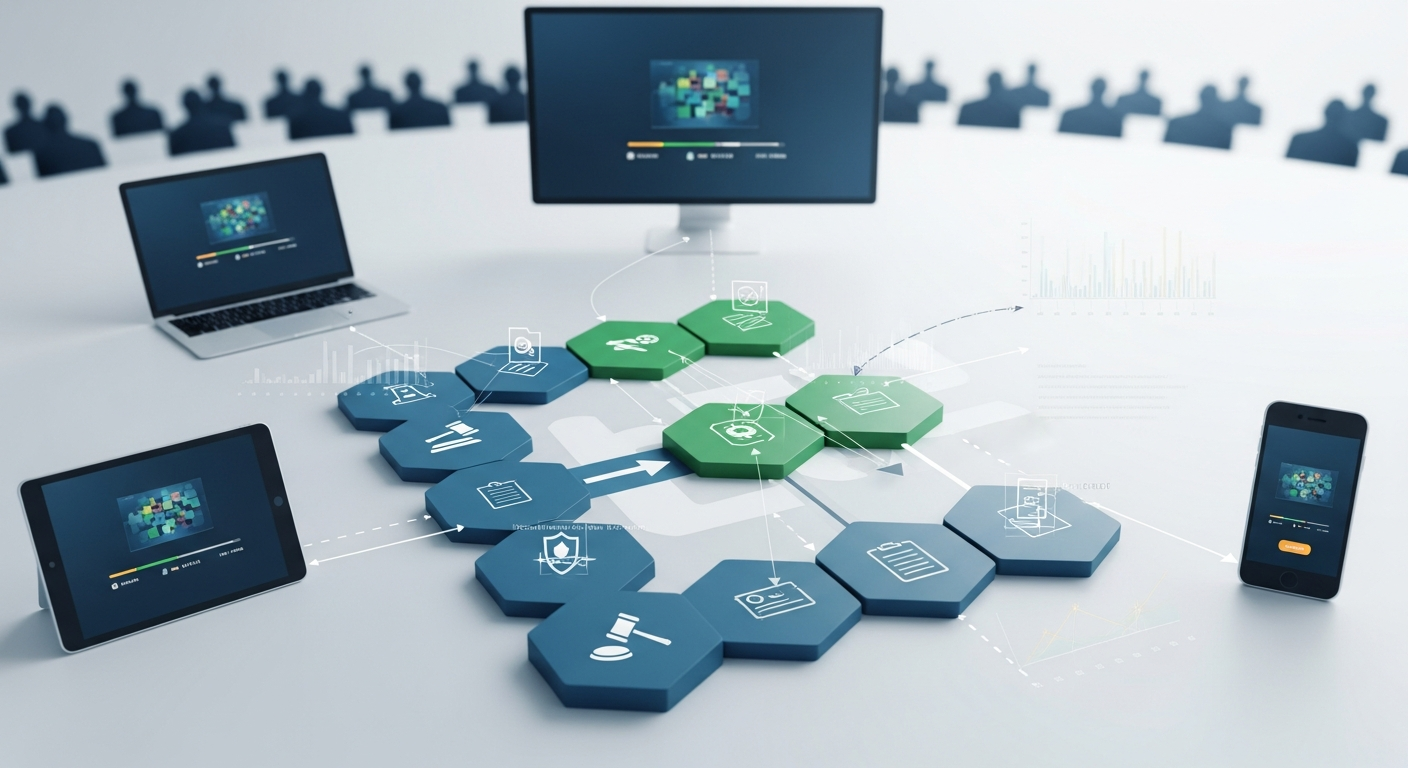
Enterprise LCMS Guide: Mastering Complex Regulatory Training and Multi-Device Deployments
For Vice Presidents, Directors, and Senior Managers in Learning & Development, the landscape of corporate training is more complex than ever. Navigating stringent regulatory frameworks, ensuring compliance across diverse industries, and delivering effective training to a globally distributed, multi-device workforce presents significant challenges. The days of one-size-fits-all training modules are long gone. What's needed is a powerful, integrated solution that streamlines content creation, management, and delivery. This is where an advanced Microlearning LMS and a robust Enterprise LCMS become indispensable.
What Exactly is an Enterprise LCMS?
An Enterprise LCMS, or Learning Content Management System, is far more than just a place to store training materials. It's a sophisticated platform designed to create, manage, deliver, and track learning content at scale within large organizations. While an LMS (Learning Management System) primarily focuses on learner administration, course enrollment, and progress tracking, an LCMS specializes in the lifecycle of the learning content itself. Think of it as the content engine behind your learning management system.
For enterprises, an learning content management system offers a centralized repository for all training assets, from documents and videos to interactive simulations. It facilitates collaborative authoring, version control, and modular content design, ensuring consistency and reusability across various courses and departments. This is crucial for organizations dealing with a high volume of constantly evolving training needs, making it a cornerstone of effective enterprise learning management.
The Regulatory Maze: Why an LCMS is Critical
Industries like banking, finance, insurance, retail, pharma, healthcare, oil and gas, and mining operate under a constant barrage of evolving regulations. Compliance training isn't just a checkbox exercise; it's a critical component of risk mitigation and business integrity. Here’s how an Enterprise LCMS is invaluable in this context:
- Centralized & Up-to-Date Content: Regulations change frequently. An LCMS provides a single source of truth for all compliance materials, allowing L&D teams to update content once and propagate changes across all relevant courses automatically.
- Version Control and Audit Trails: For regulatory audits, demonstrating that employees received the most current training is paramount. An LCMS meticulously tracks every content version, showing who made changes, when, and why, providing an undeniable audit trail.
- Targeted Training Delivery: Not every employee needs every piece of regulatory training. An LCMS, often integrated with a powerful lms learning management system, allows for granular content tagging and audience segmentation, ensuring that specific groups receive only the compliance training relevant to their roles and jurisdictions. This is key for Risk-focused Training.
- Multi-Language Support: Global enterprises must deliver regulatory training in multiple languages. A robust LCMS supports translation workflows, enabling content localization without duplicating efforts or creating multiple disparate versions.
Seamless Multi-Device Deployments for a Distributed Workforce
Today's workforce is mobile, diverse, and expects learning to be accessible on any device, anywhere, anytime. Whether it's a desktop in the office, a tablet on the factory floor, or a smartphone during a commute, an Enterprise LCMS is designed to handle this complexity without compromising the learning experience.
- Responsive Design & Single-Source Publishing: An advanced LCMS ensures that content authored once can be automatically rendered optimally across various screen sizes and operating systems. This "single-source publishing" eliminates the need to create separate versions for web, mobile, or tablet, saving immense time and resources.
- Offline Access: For employees in remote locations or those with intermittent internet access, a good LCMS, often part of comprehensive learning management software, allows for content to be downloaded and accessed offline, with progress synced once connectivity is restored.
- Consistent User Experience: Regardless of the device, the learning experience remains consistent and engaging. This means standardized navigation, interactive elements, and media playback, crucial for effective learning management solutions in a distributed environment.
- Optimized for Modern Learning: The best cloud based learning management system and LCMS platforms are built with modern learning methodologies in mind, supporting bite-sized Microlearning LMS modules that are perfect for on-the-go consumption.
Key Features of a Robust Enterprise LCMS
When evaluating an Enterprise LCMS, consider these essential features:
- Modular Content Architecture: Break down content into reusable components or learning objects, making updates and personalization efficient.
- Collaborative Authoring & Workflow: Tools for multiple authors to work simultaneously, with approval workflows to maintain quality and consistency. Look for an AI Powered Authoring Tool for enhanced efficiency.
- Rich Media Support: Seamless integration and playback of videos, audio, simulations, and interactive elements.
- Advanced Search & Tagging: Powerful search capabilities and metadata tagging to quickly locate and categorize content.
- Integration Capabilities: Ability to integrate with existing HRIS, CRM, and LMS platforms for a unified ecosystem.
- Comprehensive Reporting & Analytics: Track content usage, learner engagement, completion rates, and compliance status.
- Personalization & Adaptive Paths: Deliver tailored learning experiences based on individual needs, roles, and progress, often supported by features like a Gamified LMS for engagement.
Navigating the Future: Intelligent Learning in Enterprise LCMS
The integration of artificial intelligence is revolutionizing how we manage and deliver learning content, offering unprecedented levels of personalization and efficiency for enterprise learning management.
Q: How can advanced learning platforms, leveraging intelligent automation, significantly boost our organizational efficiency and learning outcomes?
A: Intelligent automation within a cutting-edge learning platform can streamline numerous L&D processes. It can automate content curation by identifying trending topics and relevant external resources, reducing the manual effort of instructional designers. Furthermore, it can personalize content delivery based on learner profiles, performance data, and career goals, ensuring that each individual receives the most pertinent information. This not only enhances engagement but also significantly improves learning retention and application. For example, a modern learning management software can analyze a learner's past performance to recommend specific modules, effectively acting as a personalized tutor, driving better outcomes and making the most of your learning management solutions.
Q: For our geographically dispersed workforce, how do next-generation learning systems ensure consistent and culturally relevant training across all regions?
A: Modern learning systems address the challenges of a global workforce through advanced localization and intelligent content adaptation. They enable centralized content creation with easy translation management workflows, ensuring all regional versions are derived from a single source and updated simultaneously. Beyond translation, these platforms can intelligently adapt content contextually, recognizing regional nuances in regulations, cultural references, and business practices. This is often powered by a cloud based learning management system, which offers global accessibility and ensures that training feels relevant and familiar to learners, regardless of their location, fostering a sense of consistency and inclusivity across the organization.
Q: In what ways do intelligent learning technologies tailor the educational journey to each individual's needs, learning style, and performance gaps?
A: Intelligent learning technologies employ sophisticated algorithms to create a truly bespoke educational journey. By analyzing learner interactions, assessment results, and existing skill sets, these systems can dynamically adjust the learning path. This includes recommending specific content modules, suggesting alternative learning formats (e.g., video for visual learners, text for analytical learners), and identifying specific knowledge gaps that require reinforcement. This Adaptive Learning approach ensures that training is hyper-relevant, efficient, and maximally impactful for each individual, moving beyond a one-size-fits-all model to foster continuous development and skill mastery.
Choosing the Right Enterprise LCMS
Selecting the right LCMS is a strategic decision for L&D leaders. Consider factors like scalability to accommodate future growth, seamless integration with your existing LMS and other enterprise systems, vendor support and expertise, and a user-friendly interface for both authors and learners. Look for a solution that aligns with your organization's specific industry regulations and learning culture. Platforms like MaxLearn LMS offer comprehensive features designed to meet these complex demands.
Conclusion
The demands of managing complex regulatory training and deploying content across a multi-device, global workforce are formidable. An Enterprise LCMS is no longer a luxury but a necessity for organizations committed to compliance, efficiency, and effective talent development. By centralizing content, enabling dynamic updates, supporting multi-device access, and leveraging intelligent technologies, L&D leaders can transform their training initiatives from a compliance burden into a strategic advantage. Embrace a robust learning content management system to empower your workforce and safeguard your enterprise's future.


Comments
Post a Comment