Designing Adaptive Training Pathways for Fast-Growing Medical Sales Teams
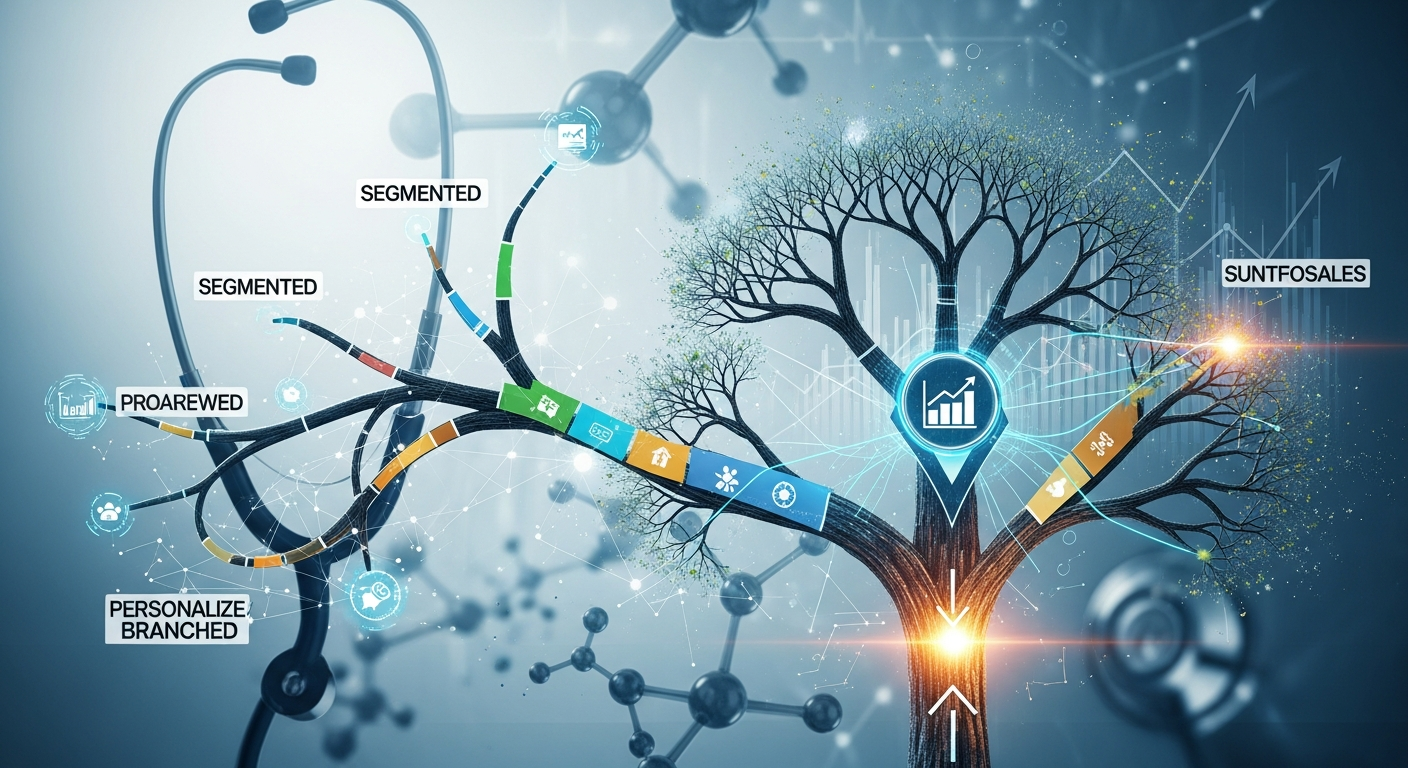
Designing Adaptive Training Pathways for Fast-Growing Medical Sales Teams
The medical sales landscape is in constant flux. Rapid product innovation, evolving regulatory compliance, and a fiercely competitive market demand a sales force that is not just knowledgeable, but agile and adaptable. For L&D leaders in fast-growing medical device, pharmaceutical, or healthcare technology companies, the challenge is immense: how do you equip new hires and seasoned veterans alike with precisely the skills they need, exactly when they need them, at scale?
Traditional, one-size-fits-all training models often fall short. They struggle to keep pace with growth, leading to skill gaps, inconsistent performance, and compliance risks. The answer lies in designing adaptive training pathways – a dynamic, personalized approach that leverages technology to optimize learning outcomes and accelerate sales readiness.
The Imperative for Adaptive Training in Medical Sales
Medical sales isn't just about closing deals; it's about understanding complex products, navigating intricate healthcare systems, and adhering to strict ethical and legal guidelines. In a high-growth environment, these complexities are amplified.
The Dynamics of Medical Sales Growth
As medical sales teams expand, they often onboard individuals with diverse backgrounds, experiences, and prior knowledge. New product launches are frequent, requiring rapid dissemination of information. Regulatory changes, such as those from the FDA or EMA, necessitate immediate updates to selling practices and compliance protocols. Without a flexible and responsive learning framework, organizations face:
- Delayed time-to-competency for new hires.
- Inconsistent messaging and product knowledge across the sales force.
- Increased risk of compliance violations due to outdated information.
- High turnover rates due to a lack of effective support and development.
The Limitations of One-Size-Fits-All
Generic training programs, while easy to administer, rarely cater to individual learning styles, existing proficiencies, or specific territory demands. A veteran rep selling surgical implants might not need a basic anatomy refresher, but could benefit immensely from advanced competitive selling strategies. A new hire, however, requires foundational product knowledge and sales methodology. A static learning management system (LMS) can become a bottleneck, leading to:
- Learner disengagement and frustration.
- Wasted training resources on redundant content.
- Failure to address critical individual skill gaps.
- Difficulty in tracking and proving ROI for training initiatives.
This is precisely where a modern Microlearning LMS offering truly adaptive solutions proves invaluable.
Core Components of Adaptive Training Pathways
An effective adaptive training pathway is built on three foundational pillars: personalization at scale, leveraging cutting-edge technology, and data-driven insights.
Personalization at Scale
True adaptive training goes beyond simply offering choices. It dynamically adjusts the learning experience based on a learner's pre-assessment results, performance data, job role, geographical location, and even their preferred learning style. An Adaptive Learning system ensures that each medical sales professional receives a customized curriculum, prioritizing what they need to know to excel in their specific role and territory. This highly individualized approach accelerates skill development and improves knowledge retention.
Leveraging Technology
A robust learning content management system is the backbone of any adaptive strategy. The right learning management software offers a suite of features that empower L&D teams to create, deliver, and manage personalized pathways. A Microlearning LMS is particularly effective for medical sales, breaking down complex topics into bite-sized, digestible modules that can be accessed on-demand. Furthermore, integrating a Gamified LMS can significantly boost engagement, motivate learners through friendly competition, and provide immediate feedback, transforming learning from a chore into an engaging experience. A powerful enterprise learning management solution will unify these capabilities, ensuring seamless delivery across the organization.
Data-Driven Insights
The beauty of a modern learning management system (LMS) lies in its ability to generate rich analytics. Performance data, completion rates, assessment scores, and engagement metrics provide L&D managers with invaluable insights. This data allows for continuous optimization of training content and pathways. By understanding where learners struggle or excel, the system can proactively recommend additional resources or more advanced modules, ensuring the training remains relevant and effective. An advanced LCMS will not only manage content but also provide deep analytical insights to refine learning strategies.
Building an Adaptive Training Framework
Implementing adaptive training requires a systematic approach, from initial assessment to ongoing iteration and a sharp focus on compliance.
Assessment and Diagnostics
The journey begins with identifying current skill sets and knowledge gaps. Pre-assessments, diagnostic quizzes, and simulations can pinpoint areas where a sales rep needs development. For example, a new rep might need foundational product knowledge, while an experienced rep might require advanced negotiation skills or updates on a new competitor's offering. This initial diagnostic phase is critical for tailoring the adaptive pathway from the outset.
Dynamic Content Delivery
Once needs are identified, the system delivers content dynamically. This means that based on assessment results, previous learning activity, or even real-world performance data, the learning management software automatically serves up relevant modules. The use of an AI Powered Authoring Tool can dramatically speed up the creation and customization of microlearning content, ensuring that courses are always current and highly targeted. This minimizes generic content and maximizes engagement with truly relevant materials.
Continuous Feedback and Iteration
Adaptive training is not a one-time event; it’s an ongoing cycle. Regular feedback loops, peer reviews, manager coaching, and performance data from the field feed back into the system, allowing for continuous refinement of individual learning paths. The cloud based learning management system should be agile enough to adapt to these inputs, updating recommendations and content as a sales professional's role evolves or market conditions change. MaxLearn LMS provides this flexibility, allowing training to be a dynamic, rather than static, resource.
Focus on Compliance and Risk
For medical sales teams, compliance is non-negotiable. Adaptive pathways must integrate Risk-focused Training, ensuring that all regulatory requirements, ethical guidelines, and product usage protocols are met. An adaptive LMS can track mandatory compliance modules, identify high-risk areas based on performance data, and automatically assign remedial training or refresher courses, significantly mitigating legal and reputational risks.
AI-Driven Insights for L&D Leaders
As L&D professionals, you're constantly seeking innovative ways to enhance training. Here are some key questions and answers on how advanced technology addresses crucial aspects of adaptive training:
How can artificial intelligence revolutionize personalized training for diverse medical sales roles, from junior reps to seasoned specialists?
AI analyzes performance data, learning styles, and career goals to recommend specific modules, simulations, or expert connections. It ensures that a new oncology rep gets specialized training quickly, while a veteran diagnostic equipment rep receives updates on the latest product features and competitive selling strategies. This goes beyond simple segmentation, creating truly unique learning paths that adapt to individual progression and market needs.
In a globally distributed or regionally varied medical sales force, how can L&D ensure consistent yet locally relevant training delivery?
A sophisticated enterprise learning management system allows for the creation of a global core curriculum while enabling localized content customization. AI can identify regional regulatory differences or market specifics and auto-suggest relevant local case studies or compliance modules. This ensures every rep, whether in New York or London, receives both universal product knowledge and region-specific legal or cultural nuances, all through a centralized cloud based learning management system.
Beyond just imparting knowledge, how can adaptive training leverage technology to foster deep engagement, motivate sales teams, and ensure knowledge retention over the long term?
Adaptive training, especially when implemented through a Gamified LMS, uses personalized challenges, leaderboards, and real-time feedback to make learning intrinsically motivating. It adapts not just to what a learner needs to know, but also to how they prefer to learn. Combined with microlearning principles, this ensures that knowledge is absorbed in manageable chunks, regularly reinforced, and applied in practical, simulated scenarios, preventing the "forgetting curve" and fostering a culture of continuous learning.
Conclusion
For fast-growing medical sales teams, adaptive training pathways are no longer a luxury but a strategic necessity. By embracing personalized, technology-driven, and data-informed learning solutions, L&D leaders can build a sales force that is not only highly skilled and compliant but also deeply engaged and ready to meet the dynamic demands of the healthcare industry. Investing in an advanced learning management system (LMS) is an investment in your team's immediate performance and your organization's long-term success.


Comments
Post a Comment