Adaptive Instructional Design: Leveraging Algorithms for Personalized Learning Paths
Adaptive Instructional Design: Leveraging Algorithms for Personalized Learning Paths
In today's fast-paced corporate environment, traditional, one-size-fits-all training methodologies often fall short. Employees across diverse industries—from Banking and Finance to Pharma and Oil & Gas—demand learning experiences that are not just engaging, but also directly relevant to their roles, skill gaps, and professional aspirations. L&D leaders, VPs, and Directors are constantly seeking innovative solutions to drive impactful training, improve knowledge retention, and demonstrate clear ROI.
Enter Adaptive Instructional Design (AID): a revolutionary approach that harnesses the power of algorithms to deliver truly personalized learning paths. This isn't just about offering choices; it's about dynamically adjusting the learning journey in real-time, ensuring every learner receives precisely what they need, when they need it, and in a format that maximizes their potential.
Understanding Adaptive Instructional Design
Adaptive Instructional Design is a pedagogical strategy rooted in personalization. Unlike linear learning models where all participants follow the same content sequence, AID leverages data and intelligent systems to modify the learning experience based on individual learner interactions, performance, preferences, and prior knowledge. Imagine a learning system that acts as a highly attentive, expert tutor, constantly assessing your progress and adjusting the curriculum to keep you challenged, supported, and engaged.
The core principle of Adaptive Learning is its ability to tailor content, pace, sequence, and even learning modalities to the unique profile of each individual. This means a new sales representative in the Retail sector might receive training focused on product knowledge and customer interaction, while an experienced manager in the same company could be directed towards leadership development and strategic planning, all within the same overarching training program. This level of dynamic customization is what sets AID apart and makes it an indispensable tool for modern L&D.
The Algorithmic Engine: How it Works
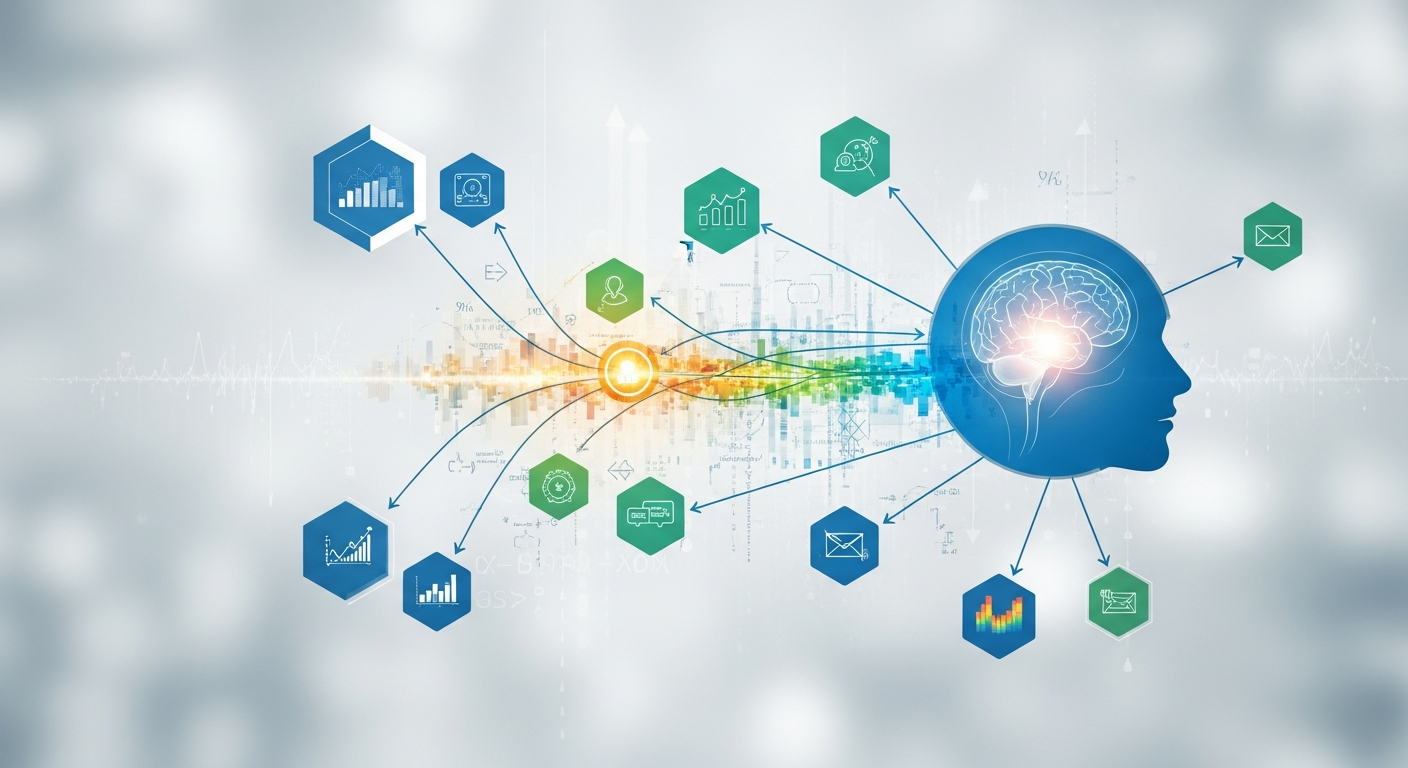
At the heart of Adaptive Instructional Design lies a sophisticated algorithmic engine, often powered by artificial intelligence (AI) and machine learning (ML). These algorithms are the architects of personalization, constantly processing a wealth of data to sculpt the optimal learning experience.
- Data Collection: The process begins with gathering comprehensive data. This includes learner profiles (roles, departments, experience levels), historical performance data, pre-assessment results, and real-time interactions with learning content.
- Analysis and Diagnosis: Algorithms analyze this data to identify individual strengths, weaknesses, knowledge gaps, and preferred learning styles. For instance, an algorithm might detect that an employee consistently struggles with a particular compliance topic or excels in problem-solving simulations.
- Content Recommendation: Based on the diagnosis, the system then recommends specific learning modules, resources, or activities. If a learner masters a concept quickly, the system can fast-track them to more advanced material or related topics, perhaps suggesting a more challenging simulation. Conversely, if a learner struggles, the algorithm might offer remedial content, alternative explanations, or different formats, such as a short video instead of a text-heavy document. This modular approach is key, often utilizing Microlearning LMS strategies for efficient delivery.
- Pace and Sequence Adjustment: The algorithms continuously monitor learner progress and engagement, adjusting the pace of learning and the sequence of content in real-time. This ensures learners are neither overwhelmed nor bored, maintaining optimal cognitive load and motivation.
- Feedback and Support: Intelligent systems can also provide personalized feedback, direct learners to relevant support resources, or even flag situations where human intervention (e.g., a mentor check-in) might be beneficial.
This dynamic interplay of data, analysis, and content delivery transforms a static curriculum into a living, responsive learning environment that caters to individual needs, leading to more effective and efficient learning outcomes across industries like Health Care, Hospitality, and Mining.
Benefits for L&D Leaders and Organizations
For L&D professionals tasked with delivering measurable results, Adaptive Instructional Design offers a compelling suite of advantages:
Enhanced Engagement and Retention
When learning is personal and relevant, engagement skyrockets. Learners are more motivated to complete courses and retain information because they perceive the direct value to their own development. This personalized approach can be further amplified by integrating features of a Gamified LMS, making learning feel less like a chore and more like an achievement.
Improved Efficiency and Effectiveness
AID ensures that learners spend time on what truly matters, eliminating redundant content and focusing on identified skill gaps. This precision leads to faster skill acquisition and more efficient use of training budgets. For a global corporation, this translates to significant savings and a more agile workforce. An enterprise learning management system powered by adaptive algorithms significantly boosts operational efficiency.
Data-Driven Insights
Adaptive systems generate a wealth of actionable data. L&D teams gain unprecedented insights into course effectiveness, learner performance trends, common knowledge gaps, and content utilization. This data empowers strategic decision-making, allowing for continuous optimization of training programs and demonstrating clear ROI to stakeholders.
Scalability and Consistency
Whether you're training dozens or tens of thousands of employees, AID delivers highly individualized experiences at scale. This consistency in quality and personalization, regardless of geographic location or department, is invaluable for large organizations. A robust learning management system is crucial for managing this scale effectively.
Compliance and Risk Mitigation
In highly regulated industries such as Banking, Finance, Pharma, and Health Care, ensuring employees fully understand critical policies and procedures is paramount. AID can identify and address individual comprehension issues in compliance training, significantly reducing organizational risk. This targeted approach is ideal for Risk-focused Training, ensuring every employee meets regulatory standards.
Key Components of an Adaptive Learning Ecosystem
Building an effective adaptive learning environment requires a strategic combination of technology and content:
- Robust LMS: A powerful learning management software or lms learning management system is the backbone. It must support content delivery, tracking, assessment, and integration with adaptive engines. A cloud based learning management system offers the flexibility and scalability needed for modern adaptive learning.
- Intelligent Content Authoring: Content must be modular, granular, and extensively tagged with metadata. This enables algorithms to effectively retrieve, combine, and sequence learning objects. Tools like an AI Powered Authoring Tool can streamline this process, making content adaptive-ready.
- Data Analytics and Reporting Dashboards: Essential for L&D teams to monitor program efficacy, identify trends, and make informed decisions. A comprehensive learning content management system (LCMS) often includes these capabilities.
- Integration Capabilities: Seamless integration with HRIS, CRM, and other enterprise systems provides richer learner data, enhancing the precision of adaptive recommendations. This holistic approach ensures the learning management solutions are fully integrated into your business operations.
Implementing Adaptive Instructional Design
Adopting AID is a strategic journey. Here are some key considerations for L&D leaders:
- Start Small, Think Big: Begin with pilot programs in specific departments or for critical training initiatives, like onboarding for sales teams or compliance for finance professionals.
- Data Strategy: Define what data you need to collect, how it will be stored securely, and how it will be used ethically to inform learning paths.
- Content Modernization: Audit existing content and restructure it into modular, taggable components. Consider investing in tools that facilitate this transformation.
- Technology Partnerships: Choose a MaxLearn LMS or similar platform that offers robust adaptive capabilities and seamless integration.
- Change Management: Prepare your learners and instructors for this new personalized learning paradigm. Emphasize the benefits of tailored experiences over traditional methods.
The Future is Personalized: Embracing Adaptive Learning
In a world demanding continuous upskilling and reskilling, the days of generic training are numbered. L&D leaders must look beyond conventional approaches to create learning experiences that are not only effective but also deeply personal and engaging. Adaptive Instructional Design, powered by intelligent algorithms, represents the pinnacle of personalized learning, offering a strategic advantage in talent development and retention.
By investing in adaptive strategies, organizations can cultivate a smarter, more agile workforce, ready to meet the challenges of tomorrow. It's time to transform your training from a one-size-fits-all model to a dynamic, individualized journey that empowers every employee to reach their full potential.


Comments
Post a Comment