A Comprehensive Framework for Minimizing Information Decay in High-Risk Industries
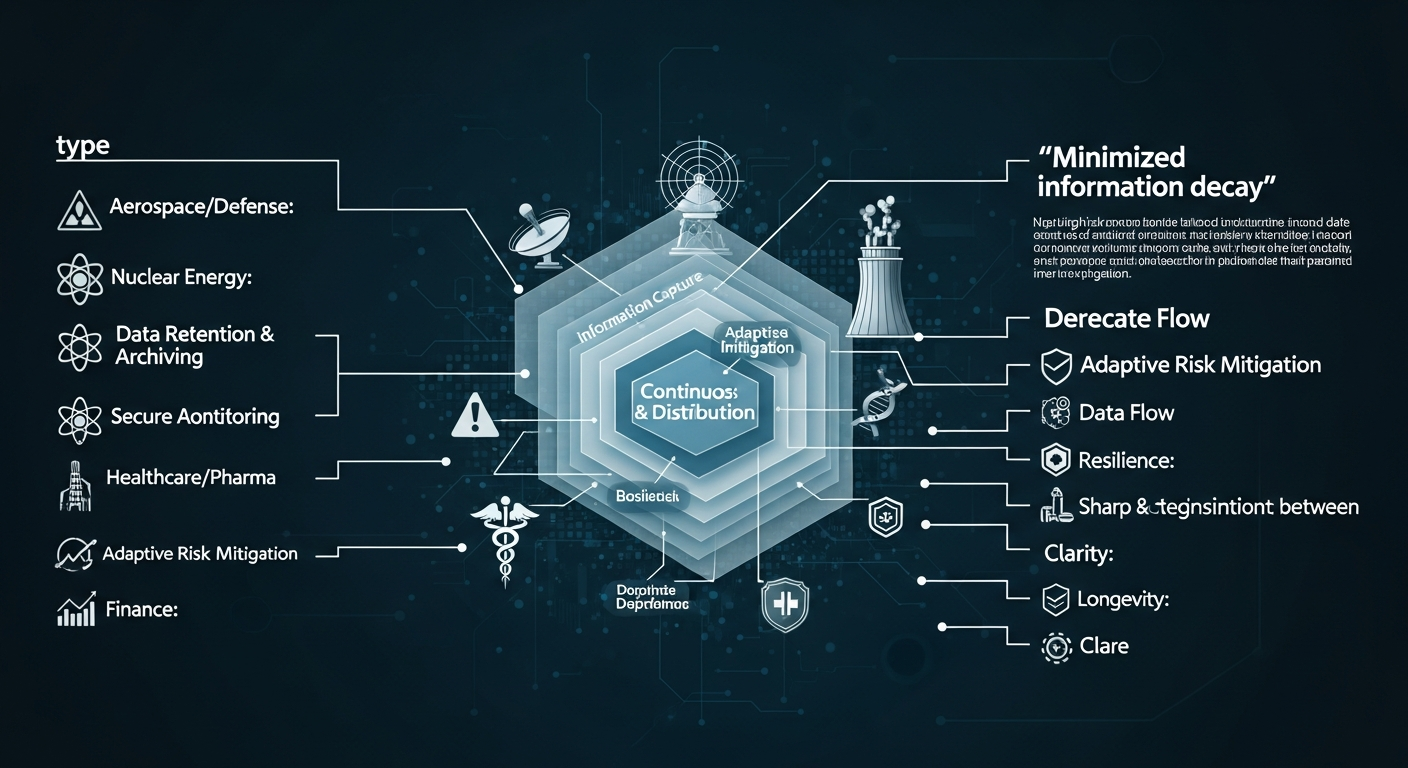
A Comprehensive Framework for Minimizing Information Decay in High-Risk Industries
In high-risk industries such as banking, healthcare, oil and gas, and pharmaceuticals, the stakes are profoundly high. A momentary lapse in knowledge, a forgotten safety protocol, or a misinterpretation of a compliance regulation can lead to catastrophic consequences – financial penalties, operational shutdowns, environmental damage, and even loss of life. For Vice Presidents, Directors, and Senior Managers in Learning & Development, the challenge isn't just delivering initial training; it's ensuring that critical information endures, remains accessible, and evolves with the ever-changing landscape. This is the battle against information decay, and it demands a robust, strategic framework.
Information decay refers to the gradual erosion of learned knowledge and skills over time, often exacerbated by infrequent use or lack of reinforcement. In environments where precision, adherence, and up-to-date expertise are paramount, proactive measures against this decay are not merely beneficial; they are existential.
The Imperative of Battling Information Decay in High-Risk Sectors
For organizations operating with stringent compliance mandates and intricate operational procedures, the cost of information decay is exorbitant. Consider the financial sector, where evolving regulations require continuous updates, or healthcare, where new treatment protocols emerge regularly. Retail, with its emphasis on product knowledge and customer service compliance, and manufacturing, with its complex machinery and safety guidelines, face similar pressures. Without a robust learning management system (LMS) and strategic interventions, critical knowledge can fade, leading to:
- Increased operational errors and incidents
- Non-compliance risks and hefty fines
- Reduced productivity and efficiency
- Compromised safety and security
- Damage to reputation and trust
- Higher retraining costs
An effective learning content management system (LCMS) is fundamental in curating, managing, and distributing the knowledge that combats this decay. But content alone isn't enough; the delivery and reinforcement mechanisms are equally vital.
Core Pillars of the Information Decay Minimization Framework
Building resilience against information decay requires a multi-faceted approach, integrating technology, pedagogy, and strategic oversight. Here are the four foundational pillars:
Pillar 1: Proactive Content Strategy & Development
The first line of defense is creating content that is not only relevant but also designed for long-term retention and easy access. This involves moving beyond static, one-time training modules.
- Dynamic & Modular Content: Break down complex topics into digestible, self-contained units. This allows for easier updates and targeted learning. Utilizing an AI Powered Authoring Tool can significantly accelerate the creation of such modular and engaging content, ensuring it's always fresh and pertinent.
- Contextual Relevance: Ensure content directly relates to employees' roles and daily tasks. The more immediate and applicable the knowledge, the higher the chances of retention.
- Regular Content Audits & Updates: Establish a rigorous schedule for reviewing and updating all learning materials. Regulations, best practices, and technology change rapidly; your learning materials must keep pace.
Pillar 2: Strategic Delivery & Engagement Mechanisms
How knowledge is delivered significantly impacts its stickiness. Modern enterprise learning management solutions emphasize engaging and personalized experiences.
- Microlearning Approach: Deliver information in short, focused bursts. A Microlearning LMS is ideal for this, preventing cognitive overload and facilitating quick knowledge absorption and recall. This is especially effective for busy professionals in industries like hospitality or retail, where time is a premium.
- Gamified LMS Experiences: Incorporate game-like elements such as points, badges, leaderboards, and challenges. Gamification enhances motivation, engagement, and competition, driving learners to interact more frequently with the content, thereby reinforcing knowledge.
- Personalized Learning Paths: Leverage data to create customized learning journeys. Not every employee needs the same information at the same time. A sophisticated learning management software can tailor content based on role, performance, and identified skill gaps.
Pillar 3: Continuous Reinforcement & Performance Support
Learning is not a one-time event; it’s an ongoing process. Reinforcement is crucial for moving knowledge from short-term to long-term memory.
- Spaced Repetition: Schedule follow-up quizzes, reminders, and refreshers at scientifically determined intervals. This technique has been proven to significantly improve long-term retention.
- Just-in-Time Learning: Provide instant access to critical information precisely when an employee needs it. This could be through a knowledge base, an interactive checklist, or a quick video tutorial available via a cloud based learning management system.
- Adaptive Learning Pathways: Implement systems that dynamically adjust the learning experience based on an individual's performance and understanding. If a learner struggles with a concept, the system can provide additional resources or different approaches, ensuring mastery before moving on.
Pillar 4: Robust Measurement & Iterative Improvement
To effectively combat information decay, you must understand where it’s happening and why. Data-driven insights are invaluable.
- Analytics & Reporting: A comprehensive learning management solution offers detailed analytics on learner engagement, performance, completion rates, and knowledge retention. This data helps pinpoint areas of weakness.
- Feedback Loops: Actively solicit feedback from learners and managers on the effectiveness and relevance of training materials. Use this feedback to continuously refine and improve the learning experience.
- Risk-focused Training Impact Analysis: Specifically track how training interventions correlate with a reduction in incidents, errors, or compliance breaches. This provides tangible evidence of the framework's effectiveness and informs future strategies.
Leveraging Technology for a Resilient Learning Ecosystem
At the heart of this comprehensive framework is a powerful lms learning management system. A modern LMS is more than just a content repository; it's an intelligent hub that facilitates continuous learning, engagement, and performance support. These platforms, often available as a cloud based learning management system, offer the scalability and flexibility required by large enterprises. They integrate capabilities like personalized learning paths, advanced analytics, and seamless content delivery, forming the backbone of an effective enterprise learning management strategy.
Addressing Key Challenges with Intelligent Solutions
Modern learning solutions, often infused with intelligent algorithms, can directly address specific challenges in high-risk environments.
How can we ensure critical safety protocols are not forgotten over time, especially across a geographically diverse workforce?
Intelligent learning platforms can deploy location-aware microlearning modules and just-in-time reminders triggered by specific operational contexts or geographical locations. For instance, before entering a particular high-risk zone, employees receive a mandatory, short refresher on safety protocols directly to their mobile device. Such systems also track engagement and understanding, automatically scheduling additional reinforcement for individuals or groups showing signs of knowledge gaps, ensuring vital information remains top-of-mind regardless of where personnel are located.
What strategies can help keep our compliance training relevant and immediately applicable as regulations evolve rapidly?
Intelligent systems can dynamically update training content in real-time. By integrating with regulatory databases or utilizing natural language processing to monitor legal changes, an advanced learning management system can automatically flag outdated modules and suggest necessary revisions. Furthermore, it can personalize compliance updates, delivering only the specific regulatory changes relevant to an individual's role and region, ensuring that training is always current, concise, and directly applicable to their daily tasks, minimizing time away from critical operations.
How can learning solutions actively predict and address potential knowledge gaps before they impact operational efficiency or risk exposure?
Predictive analytics, powered by machine learning within a sophisticated learning management software, can analyze an individual's past performance, engagement patterns, and the context of their operational tasks to anticipate where future knowledge decay or skill gaps might occur. For example, if an employee hasn't performed a specific complex procedure in several months, the system can proactively recommend a quick refresher course or a simulation. This proactive approach allows organizations to intervene with targeted support before a knowledge gap translates into an error, a safety incident, or a compliance breach, thereby safeguarding both personnel and operational integrity.
The MaxLearn Advantage
For L&D leaders striving to build a resilient learning ecosystem, solutions like MaxLearn LMS offer an integrated platform to tackle information decay head-on. By combining powerful learning management solutions with cutting-edge features for microlearning, gamification, and adaptive pathways, MaxLearn helps organizations in high-risk sectors maintain an always-on, highly informed, and compliant workforce. It’s an investment in not just learning, but in operational excellence and risk mitigation.
Conclusion
Minimizing information decay is a continuous journey, particularly in high-risk industries where precision and up-to-date knowledge are non-negotiable. By implementing a comprehensive framework that prioritizes dynamic content, engaging delivery, continuous reinforcement, and data-driven iteration—all powered by an intelligent learning management system—L&D leaders can transform knowledge from a fleeting asset into an enduring organizational strength. Embrace these strategies, and build a workforce that is not only trained but truly resilient against the forces of forgetting.


Comments
Post a Comment